
- Ecological Background and Habitat
- Physical Characteristics and Behavior
- Reproduction and Life Cycle
- Conservation Status and Threats
- Zoo Management and Conservation Efforts
Cuvier’s dwarf caiman (Paleosuchus palpebrosus) is a small species of crocodilian that holds an important place in the ecosystems of freshwater habitats in Central and West Africa. Habitat primarily includes rivers, swamps, marshes, and other lowland water bodies. These environments are critical for maintaining biodiversity, as they support a wide range of flora and fauna. The distribution of Cuvier’s dwarf caiman spans several countries, including the Republic of the Congo, Cameroon, and Gabon. Their presence in these wetlands indicates a rich, functioning ecosystem, as they play a vital role in controlling the populations of fish and invertebrates. As semi-aquatic reptiles, they contribute to nutrient cycling in their environments, making their habitat essential for ecological health.
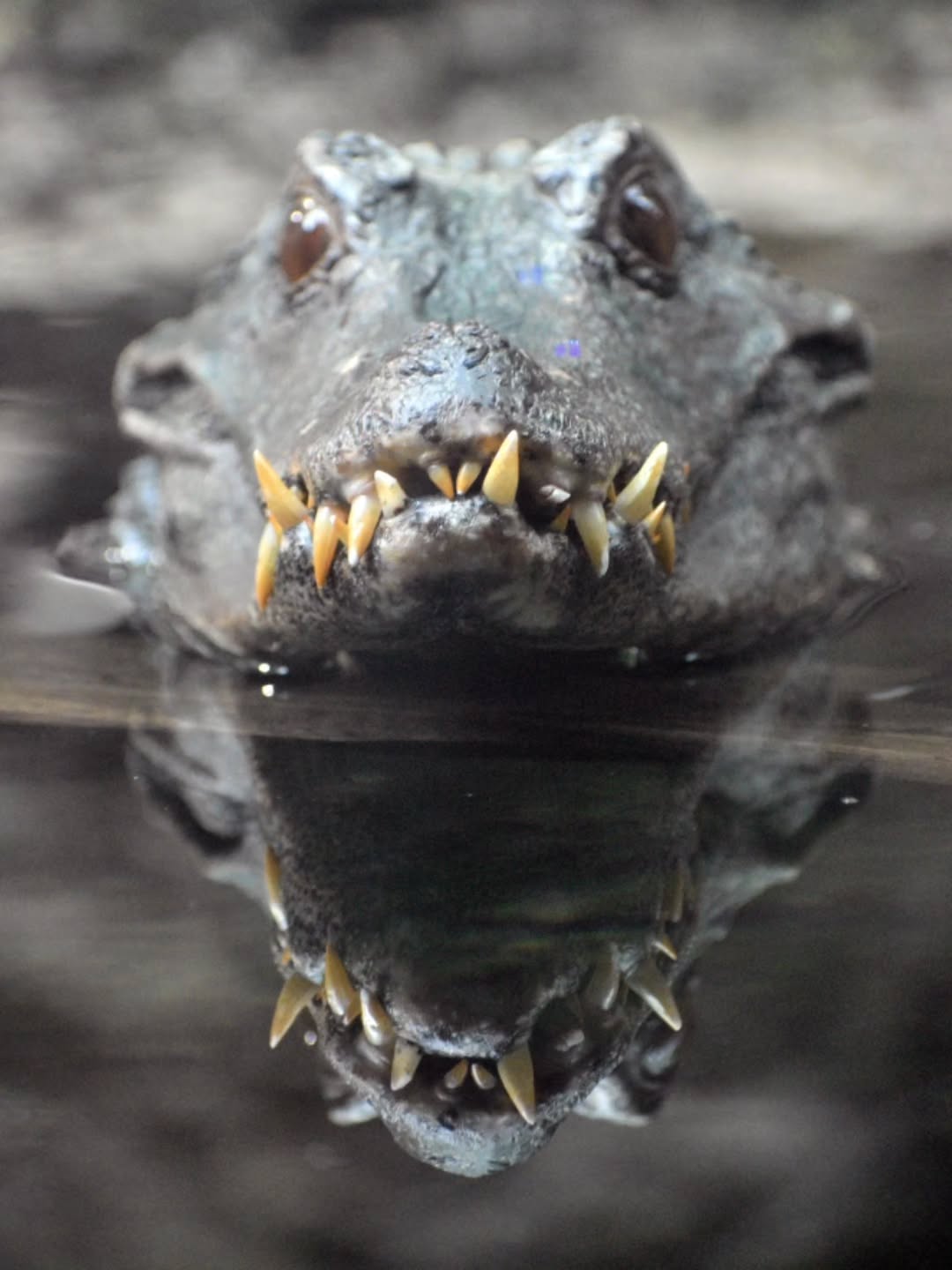
Cuvier’s dwarf caiman is distinguishable by its compact body, which typically ranges from 1.5 to 2 meters (approximately 5 to 6.5 feet) in length. This species has a broad snout, which is characteristic of the genus Paleosuchus, that allows them to consume a varied diet, primarily consisting of fish, crustaceans, and small mammals. The skin is often dark brown or olive green, serving as effective camouflage in their natural habitat. This coloration aids in hunting and avoiding predators. Socially, Cuvier’s dwarf caiman exhibits territorial behavior, particularly males who display aggression during mating seasons. They utilize a combination of vocalizations and physical displays to establish dominance. Overhead, the small size of these caimans contrasts sharply with larger crocodile species. Their diminutive stature enables them to occupy specific niches where larger predators cannot survive.
In terms of reproduction, Cuvier’s dwarf caimans are oviparous, laying eggs that are typically deposited in nests constructed from vegetation or soil. The female lays about 10 to 20 eggs, which she guards fiercely. Eggs usually hatch after a nesting period of around 80 to 90 days, although this can vary with environmental factors such as temperature and humidity. Hatchlings are about 20 to 25 cm (around 8 to 10 inches) in length, relatively small and vulnerable. Early life is fraught with challenges, as they are preyed upon by various predators, including birds, large fish, and even other caimans. The first few years of life are crucial for their survival, as those that evade predation tend to grow and adapt to their aquatic surroundings. The life expectancy in the wild can range between 30 to 40 years, while those in captivity may live longer due to the absence of threats and consistent food supply.
The conservation status of Cuvier’s dwarf caiman is classified as “Least Concern” by the International Union for Conservation of Nature (IUCN). However, this does not imply that the species is free from threats. Habitat loss due to human activities such as agriculture, deforestation, and urban development has significantly impacted their populations. Additionally, illegal hunting for skins and meat poses a grave risk. The fragmentation of habitats leads to decreased genetic diversity, further complicating their prospects for survival. Effective conservation strategies must address these threats through habitat protection, anti-poaching laws, and community engagement. Education plays a crucial role in fostering understanding and promoting coexistence between local communities and wildlife.
Zoo management and conservation efforts aim to ensure the survival of Cuvier’s dwarf caiman in both captive and natural settings. Zoos and aquariums that house these animals engage in breeding programs designed to increase genetic diversity. For instance, the Mesker Park Zoo conducts educational outreach to raise awareness about the ecological role of Cuvier’s dwarf caimans and the threats they face in the wild. These institutions also participate in global conservation initiatives that track populations and reintroduce individuals back into their natural habitats where applicable. Proper care and enrichment in captivity offer opportunities for scientific research that can inform conservation practices. Regular health assessments allow zookeepers to monitor the wellbeing of these caimans and enhance their living conditions.
In summary, understanding the ecological background, physical characteristics, reproduction, conservation status, and management needs of Cuvier’s dwarf caiman is crucial. Knowledge of their habitat and behaviors helps underscore their importance in freshwater ecosystems. Active community engagement with conservation efforts is essential. The continued survival of this crocodilian hinges on addressing current threats and fostering positive attitudes toward wildlife conservation, not just within Africa but globally. Effective strategies that conserve these habitats will have lasting implications on the biodiversity that thrives within them.
*****
Source Description
Cuvier’s dwarf caiman (Paleosuchus palpebrosus) 📷 @ the @meskerzoo
