
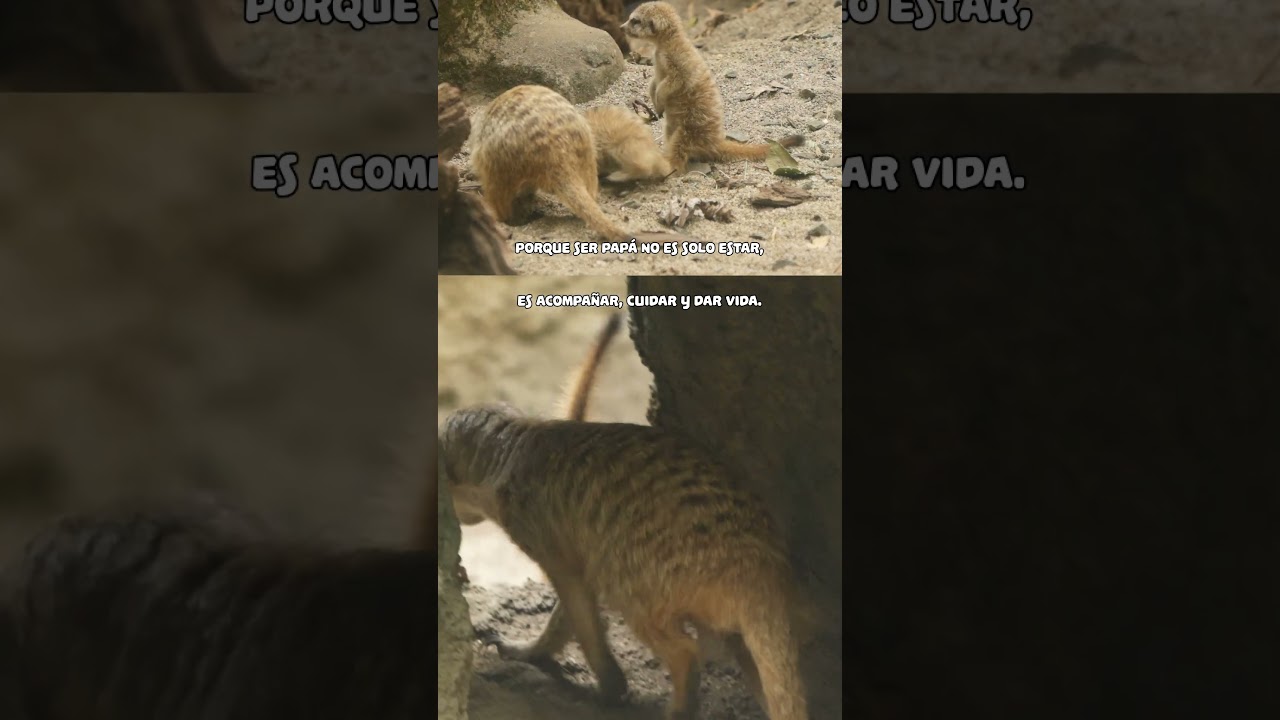
- Exploration of paternal roles in various animal species, highlighting their significance and diversity.
- Insight into zoo management practices that support family dynamics and enhance animal welfare.
- Discussion on wildlife conservation strategies that emphasize the protection of fatherly roles in species preservation.
- Examination of the societal and ecological impact of paternal behaviors on biodiversity and ecosystem stability.
- Understanding the connection between #DíaDelPadre and broader conservation efforts worldwide.
The celebration of Father’s Day, recognized in many cultures, not only honors human fathers but can also remind us of the vital paternal roles across diverse animal species. The hashtag #DíaDelPadre conjoins these themes, bringing to light the intricate roles fathers play in the animal kingdom. This exploration of paternal behavior offers insights into animal welfare, zoo management, and wildlife conservation that help frame the significance of fatherly care in nature’s tapestry.
Paternal Roles Across Species
In the animal kingdom, fathers fulfill critical roles, from protection to active participation in rearing offspring. Diverse species exhibit varied paternal behaviors that are crucial for survival and species success. For instance, the seahorse is renowned for its unique role where males become pregnant, nurturing the embryos in a specialized brood pouch. This paternal investment ensures the offspring’s safe development and highlights the unique evolutionary adaptations present among animals.
Another example is the emperor penguin. The males endure harsh Antarctic conditions, fasting for up to two months while incubating their eggs on their feet under a warm fold of skin, demonstrating an extraordinary commitment. This sacrifice ensures the chick’s survival during the harsh winter, showcasing not just survival but thriving against adversity.
These roles aren’t purely biological; they have social dimensions too. Research has shown that offspring of involved fathers often display better social skills and higher survival rates. Understanding these dynamics is crucial for zoo management and conservation efforts aiming to replicate natural family structures.
Zoo Management and Animal Welfare
Effective zoo management understands the importance of fostering natural animal behaviors, including paternal roles. Zoos serve as educational resources but, more importantly, as bastions for biodiversity and conservation. Ensuring that animal families are kept intact requires a thorough understanding of each species’ social structure and ethological needs.
Zoo environments need to simulate conditions that allow fathers to engage in natural paternal behaviors. For example, gorilla enclosures that allow a silverback to maintain his role within the family structure are vital for both welfare and public education. Similarly, managing spatial dynamics for species like wolves or lions involves facilitating the alpha male’s role, thereby ensuring the social coherence and psychological well-being of the pack or pride.
Innovative zoo practices now focus on creating environments that support these natural dynamics. Enclosures are designed with stimuli that encourage paternal roles, like nesting materials for birds or fishing ponds for otters, promoting behavior that would naturally occur in the wild.
Conservation Strategies and Paternal Emphasis
Conservation strategies today increasingly recognize the importance of paternal roles. Many species rely on cooperative parenting for survival, and protecting these dynamics is essential. The preservation of species like the giant panda involves understanding the complex roles of not just mothers, but fathers too, in rearing offspring.
Conservationists work to protect habitats that support these family structures, ensuring resources are available for fathers to perform their roles. Protected areas need regulations that address poaching and logging as these activities can disrupt the family units of various species, like elephants and primates, whose welfare hinges on stable group interactions.
International cooperation among conservation organizations helps create strategies focusing on multi-generational family dynamics, acknowledging that paternal roles are often overlooked in favor of maternal ones. Acknowledging fathers in conservation actions is crucial for a balanced approach to species protection.
Ecological Impact and Biodiversity
Paternal behaviors affect broader ecological and societal dynamics. In species where males guard territories or offspring, their presence influences local ecosystem structures. This territoriality affects species distribution and resource allocation, contributing to biodiversity.
For example, in species like the African wild dog, males play a significant role in territory defense and coordination of hunting, both critical for the pack’s success and the health of their environment. Their actions have cascading effects on prey populations and vegetation, indicating the interconnectedness of ecosystem components.
Societal impacts, seen in how certain communities thrive when they benefit from eco-friendly tourism centered around these paternal roles, reinforce the importance of these behaviors. By observing and valuing these aspects, humans can derive insights into sustainable living practices.
Connection to DíaDelPadre and Global Conservation Efforts
The celebration of #DíaDelPadre offers an opportunity to engage the public with the importance of these paternal roles within the context of conservation. By drawing parallels between human paternal care and similar behaviors in animals, there is potential to foster empathy and support for wildlife conservation initiatives.
Educational campaigns focus on these roles, helping foster a deeper understanding and appreciation among the public. These initiatives are critical as they raise awareness and drive support for efforts that protect familial roles in endangered species.
The narrative around Father’s Day now includes a vital message about biodiversity, conservation, and the respect for all paternal care—human and animal alike. By doing so, it strengthens global conservation efforts and promotes a holistic view of environmental stewardship.
Through understanding the essential roles fathers play across species, there’s an enriched appreciation for the complexity of life and the need to conserve it. Whether in the wild or managed environments, paternal behaviors are critical threads in the rich tapestry of biodiversity. They hold significance not just for the continuation of species but for the health of ecosystems at large.
*****
Source Description
En la manada, en el nido, en la selva…🦁🐒🐦
Siempre hay un papá que guía, protege y enseña con el ejemplo.
Hoy celebramos a esos padres que, como en la naturaleza, cuidan con fuerza y amor.
¡Gracias por compartir con nosotros un Día del Padre lleno de vida, aprendizajes y momentos que se atesoran!
.
.
.
#DíaDelPadre #ZooCali #PasiónPorLaVida #MuchasHistoriasQueContar
