
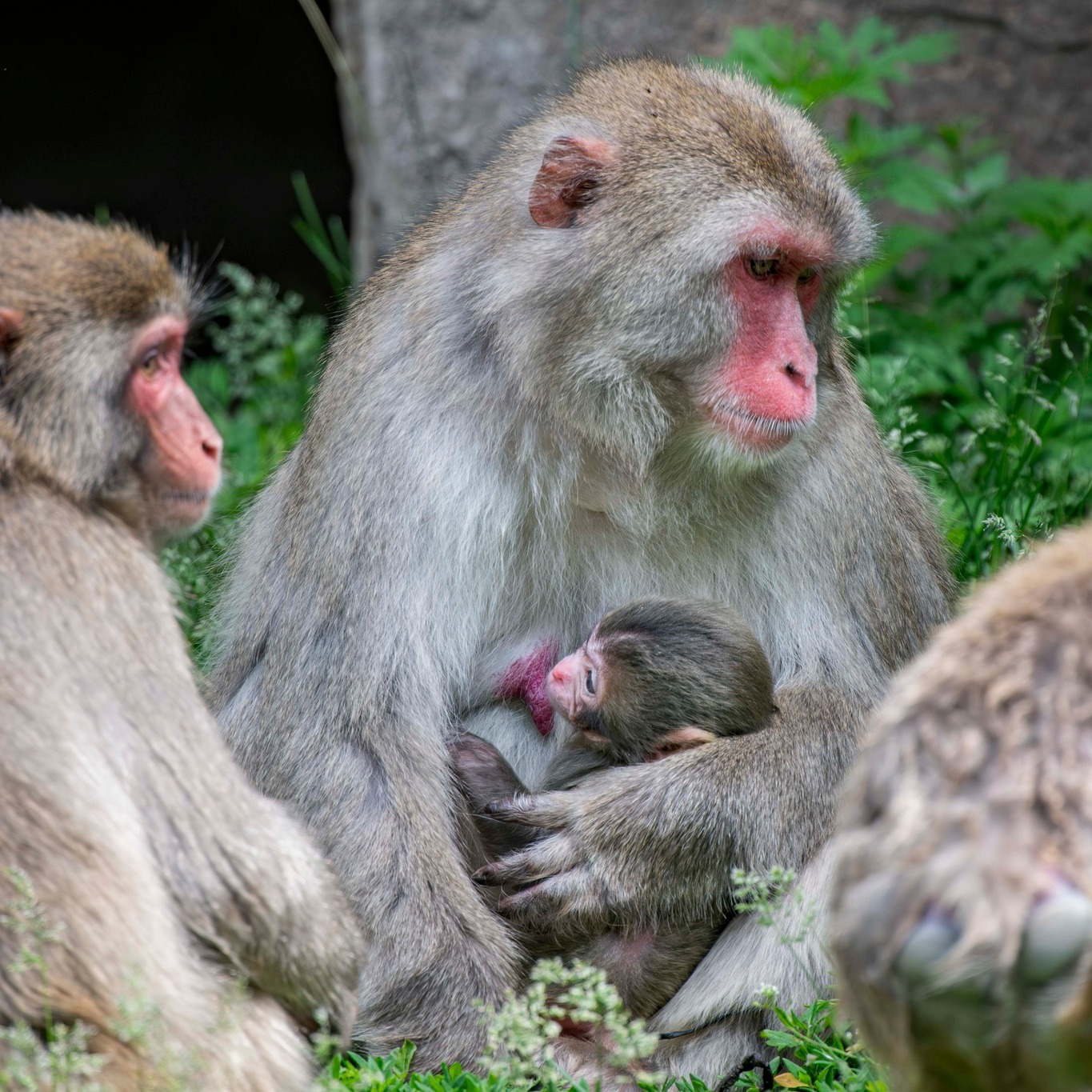
- Understanding Macaque Biology and Behavior
- The Importance of Macaque Conservation
- Macaque Habitats and Distribution
- The Role of Zoos in Macaque Education and Conservation
- Macaque Monday: A Movement Worth Noting
Macaques, belonging to the genus Macaca, are among the most adaptable and widely distributed primates in the world. With distinct features and complex social behaviors, they invite both fascination and concern. Understanding their biology and behavior is essential for any discussions surrounding their conservation and habitat protection.
Macaques exhibit a range of physical characteristics that vary by species. From the tufted macaque’s long tail to the Japanese macaque’s thick fur that insulates them against cold, these primates are adapted to various environments. Most macaques have strong social structures. Their groups, referred to as troops, can consist of up to hundreds of individuals. Communication techniques include vocalizations, facial expressions, and physical interactions to establish social hierarchies and bond with troop members. These intricate behaviors not only help maintain group cohesion but also serve essential functions in mate selection and parental care.
However, despite their remarkable adaptability, many macaque populations face significant threats. Habitat destruction, often driven by agriculture and urbanization, poses a severe risk to their survival. Rapid urban development in Southeast Asia, for instance, has significantly reduced natural habitats. This environmental impact is compounded by poaching for bushmeat and the illegal pet trade, which threaten the stability of macaque populations. Further complicating the issue, zoonotic diseases can transmit from macaques to humans, underscoring the complexity of human-wildlife interactions.
Understanding the importance of macaque conservation is paramount if we want to preserve both their species and the ecosystems they inhabit. Macaques serve vital roles in their environments, such as seed dispersal. This action promotes vegetation growth, which benefits other wildlife and the overall health of ecosystems. Protecting macaque habitats not only aids in conserving species but also supports biodiversity. Conservation efforts can take many forms. these can include habitat restoration, legal protections, and community education initiatives. Raising awareness in local communities about the benefits of protecting macaques will garner support for conservation efforts.
Macaques inhabit a variety of ecosystems, ranging from tropical rainforests to mountainous regions. The most well-known among them, the long-tailed macaque, thrives in coastal areas and mangroves. In contrast, the snow macaque, or Japanese macaque, is famous for its ability to survive in colder climates, even bathing in hot springs during winter. This diversity in habitats illustrates the adaptability of macaques in overcoming environmental challenges. However, the increasing frequency of climate change, coupled with human encroachment, puts these habitats at risk. Conserving these areas can provide refuge not just for macaques, but for countless other species that share their environment.
Zoos contribute significantly to macaque conservation and education. Many accredited zoos participate in breeding programs, which help maintain genetic diversity and populations of endangered macaque species. These programs offer a safety net against extinction while also supporting fieldwork in natural habitats to rehabilitate and release individuals back into the wild. Disney’s Animal Kingdom, for instance, has made considerable efforts in conservation education regarding macaques, providing resources to spread awareness about their roles in ecosystems. Educational programs in zoos aim to inspire visitors to take action in their communities, whether through reducing plastic consumption or supporting local conservation efforts. The engagement solutions that zoos provide can foster a deeper connection between people and nature.
Recently, a cultural phenomenon called "Macaque Monday" has emerged as a unique initiative striving to celebrate these primates. While it may appear lighthearted, Macaque Monday has meaningful implications. This awareness campaign invites people to share their experiences and knowledge about macaques and furthers discussions on the challenges these animals face. Social media platforms play a significant role in amplifying this movement. Through hashtags and shared photos, individuals highlight the importance of macaque conservation while engaging a broader audience.
Some institutions are incorporating “Macaque Mondays” into their outreach programs. Zoos and wildlife sanctuaries are organizing events, discussions, and special exhibitions focusing on macaque behavior and conservation. These activities not only promote education, but also encourage participation in wildlife protection. Through contributions, discussions, or shared experiences, communities can come together to advocate for better conservation practices for macaques.
Despite their captivating nature, it is imperative to approach the relationship between humans and macaques with caution. When macaques interact with human communities, misunderstandings and conflicts can arise. Encounters fueled by curiosity can lead to negative outcomes, such as aggressive behavior or disease transmission. Therefore, fostering respectful coexistence while advocating for their protection is essential for successful conservation efforts.
Understanding and promoting the intricate nature of macaques is essential in both conservation and community contexts. By raising awareness about their social behaviors, ecological importance, and threats they face, we can foster greater appreciation for these animals. This appreciation should extend to all levels of society, affecting policies, habits, and awareness efforts.
Macaque Monday is more than a whimsical concept; it embodies a commitment to educating and advocating for these remarkable animals. The journey towards stronger conservation for macaques involves everyone—from educators to conservationists to casual observers. When individuals come together to understand and protect macaques, they contribute to wider efforts aimed at ethical wildlife management and stewardship.
Moreover, targeted conservation initiatives have the potential to create lasting impacts. Collaborative efforts under organizations like the International Primatological Society aim to synchronize conservation strategies across habitats and organizations. By addressing local needs while promoting global standards, a more effective framework for macaque conservation can emerge. These alliances demonstrate the power of collective action in the face of biodiversity loss.
Macaque biology reveals fascinating insights into their adaptability and complexity. Their social structures are a testament to evolution’s intricacies. Macaque troops often exhibit social grooming behaviors, allowing for hygiene maintenance and emotional bonding. Interestingly, studies suggest that grooming serves to reinforce alliances, critical for group cohesion. Understanding these behaviors provides opportunities for deeper research and insights into primate social dynamics.
Studies also indicate that macaques exhibit a range of tool-use behaviors. From using stones to crack open nuts to selecting particular branches for grooming or foraging, macaques demonstrate cognitive abilities that intrigue researchers. Animal behaviorists have long studied these phenomena to understand the evolutionary implications of tool use in primates. Learning from macaque intelligence and adaptability may yield insights beneficial not just for understanding primates but for broader animal cognition research.
The future of macaque conservation rests on multifaceted efforts. Challenges such as habitat loss, wildlife trafficking, and climate change demand comprehensive strategies. Encouraging ethical tourism practices can enhance awareness and contribute to local economies. Additionally, policy advocacy at national and international levels can create stronger legal frameworks for habitat protection. Through collaboration, both entities and individuals can work together to forge solutions that prioritize conservation while being practical and sustainable.
The ecological narratives of macaques highlight their inextricable connections to their environments. Their downfall also signifies larger environmental crises impacting ecosystems at large. Promoting efforts such as reforestation, sustainable agricultural practices, and community-based conservation initiatives can lead to a healthier coexistence for both macaques and humans.
Encouragement of eco-friendly practices at the local level is vital for long-term sustainability. Whether advocating for reducing plastic use or supporting wildlife corridors, community connection creates a network of advocates for macaque conservation. Empowering younger generations through education and hands-on experiences with wildlife will forge personal connections that can lead to strong advocacy.
Discussions about macaques, including initiatives like Macaque Monday, should enter public discourse actively. Knowledge sharing can break barriers surrounding wildlife interactions and instill a stronger sense of stewardship. Only through a collective effort can we hope to navigate the numerous challenges facing these primates.
Comprehending the complexities of macaque conservation and biology educates communities on the importance of ethical stewardship. Each generation has a role in crafting policies and practices that safeguard not only macaques but also the environments in which they thrive. The combined efforts of individuals, scientists, and institutions contribute to a legacy that ensures future generations inherit healthy ecosystems. Ultimately, positive interactions, mutual respect, and long-term commitments to conservation can profoundly benefit both macaques and humans alike. This collaboration will pave the way for lives intertwined harmoniously, celebrating the rich diversity of life on our planet.
*****
Source Description
Macaque Monday is a thing now, right? 🤔
