
- Daily keeper talks at Pueblo Zoo enhance visitor engagement and wildlife education
- Exploring the feeding schedules: Ranch feeding, African Painted Dogs, Otter, and Lions
- Importance of zoo management and the role of zookeepers
- Conservation efforts highlighted through interactive zoo activities
- How these insights empower visitors to support wildlife preservation initiatives
With the arrival of summer, Pueblo Zoo comes alive with an exciting array of daily keeper talks, offering visitors a window into the dynamic world of animal care and wildlife conservation. These educational sessions are more than just engaging presentations; they provide invaluable insights into the lives of various animal species, the dedication of zookeepers, and the critical importance of conservation efforts.
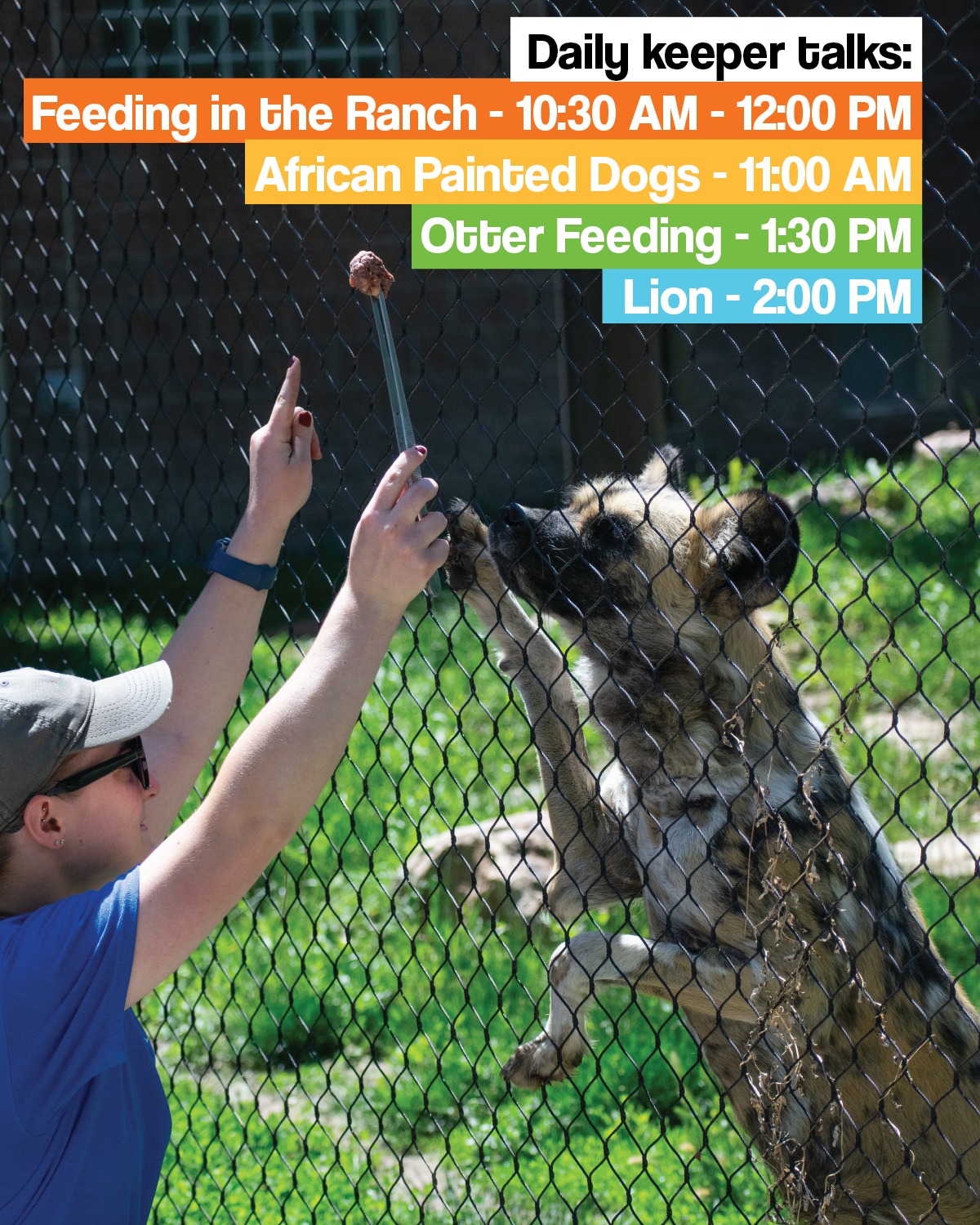
At the heart of these daily talks is an organized feeding schedule that captivates audiences and brings them closer to understanding different animal behaviors and nutritional needs. Starting with the Feeding in the Ranch from 10:30 AM to 12:00 PM, guests witness firsthand the care and precision involved in ensuring the well-being of these animals. The feeding of ranch animals often involves species like goats, chickens, and pigs. These animals play a fundamental role in agricultural education and offer visitors a closer look at common domestic species. Discussions typically focus on the dietary requirements, enrichment activities, and the symbiotic relationships that support their health.
Following this, the African Painted Dogs exhibit at 11:00 AM introduces a critical discussion on the conservation status of this endangered species. Native to sub-Saharan Africa, these animals are noted for their social structure and hunting prowess. Keeper talks here might explore the challenges they face in natural habitats, from habitat fragmentation to human-wildlife conflict, and emphasize the significance of zoo-led breeding programs aimed at preserving genetic diversity.
At 1:30 PM, otter feeding sessions delight guests with playful displays, simultaneously weaving in educational themes concerning aquatic ecosystems. The charismatic otters serve as ambassadors for freshwater conservation initiatives. Through these talks, zookeepers address the broader issues of water pollution and habitat destruction, underscoring the zoo’s role in aquatic conservation efforts.
The daily presentations culminate with the majestic lions at 2:00 PM. The lions, as apex predators, offer a profound narrative on the balance of ecosystems. Zookeepers draw attention to their feeding strategies, social dynamics within prides, and the critical conservation measures needed due to their dwindling numbers in the wild. Engaging with lions offers visitors a deeper appreciation for the complexity and vulnerability of wildlife ecosystems.
Zoo management plays a vital role in facilitating these experiences. Effective animal care requires an intricate understanding of species-specific needs and behaviors. Zookeepers are trained in various areas such as animal nutrition, behavioral observation, and habitat enrichment. Their expertise allows them to tailor educational talks that are informative and impactful. These interactions are designed to foster a connection between visitors and the natural world, encouraging ongoing support for conservation initiatives.
Wildlife conservation is a continuous thread throughout the Pueblo Zoo experience. By highlighting the challenges faced by each species, these talks empower visitors with knowledge that extends beyond the zoo. The integration of interactive activities and conservation messaging seeks to inspire actions that support wildlife preservation on a broader scale. Guests are compelled to not only understand the intricacies of animal care but to actively participate in conservation efforts, whether through volunteering, supporting legislative measures, or adopting sustainable practices.
Such zoo activities underscore the vital role of public engagement in conservation. Pueblo Zoo serves as a critical educational platform, combining animal care insights with the wider context of environmental stewardship. By participating in keeper talks, visiting families and individuals gain a greater understanding of global biodiversity challenges—knowledge that is crucial for fostering a future generation of conservation advocates.
Ultimately, Pueblo Zoo’s summer keeper talks provide more than entertainment; they are an essential educational tool that bridges the gap between zoo visitors and the world of wildlife conservation. Through carefully planned feeding schedules and detailed discussions, the zoo highlights the collaborative effort required to safeguard the planet’s diverse species.
*****
Source Description
Now that we’ve entered our Summer season keeper talks are daily! Visit: Pueblozoo.org/keeper-talks for more information
Feeding in the Ranch – 10:30 AM – 12:00 PM
African Painted Dogs – 11:00 AM
Otter Feeding – 1:30 PM
Lion – 2:00 PM
