
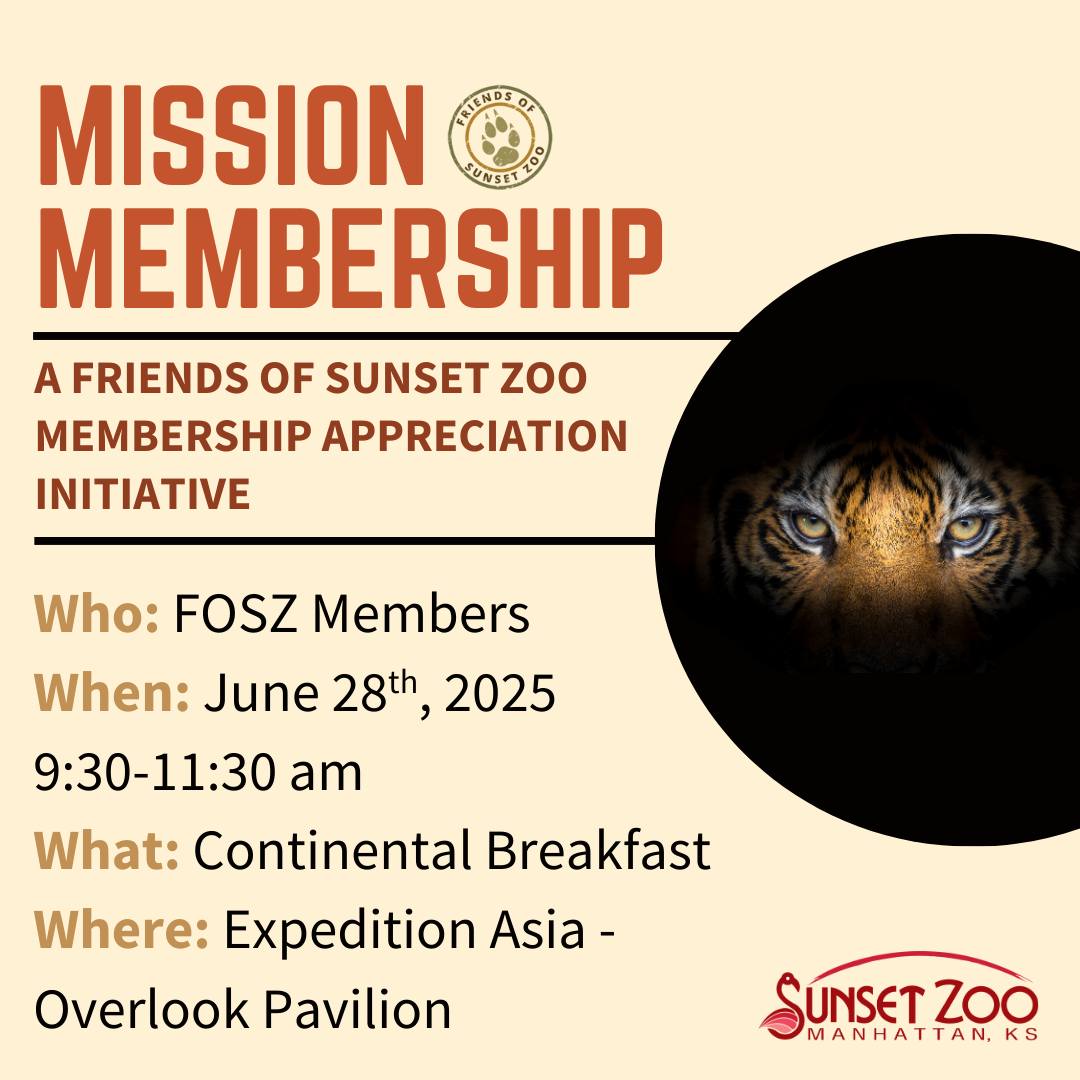
- Celebrate the Importance of Zoo Members
- Understanding the Role of Modern Zoos in Conservation
- The Educational Impact of Zoos
- Sustainable Practices in Zoo Management
- The Future of Wildlife Conservation Efforts
Zoos play an integral role in wildlife conservation, education, and scientific research. To highlight the importance of these establishments and the individuals who support them, events like the Members-Only Appreciation Breakfast serve as a thank you to members who make these initiatives possible. Celebrating the contributions of members is not just a gesture of gratitude, but it is recognition of their support in the comprehensive mission of zoos worldwide.
Celebrate the Importance of Zoo Members
Members of zoos are more than just visitors; they are partners in a global mission. Their contributions help fund essential conservation programs, educational initiatives, and care for the animals. During special events like the Members-Only Appreciation Breakfast, zoos acknowledge this support in a way that also enriches the member experience. These exclusive gatherings foster a sense of community and belonging among members, reinforcing their connection to the zoo’s mission.
Such events often provide opportunities for members to engage with zookeepers and conservationists, gaining insights into the daily operations and challenges faced in managing a modern zoo. This direct interaction enriches the member experience by offering a behind-the-scenes look at the critical work done to support wildlife. Engaging with animals in a more intimate setting also helps reinforce the bond between people and the natural world, encouraging further support and engagement.
Understanding the Role of Modern Zoos in Conservation
Modern zoos undertake an extensive array of conservation efforts, ranging from breeding programs for endangered species to research that informs wildlife management practices. Historically, zoos were primarily seen as places of entertainment, but today, they serve as vital institutions for species preservation and ecological education.
These facilities implement captive breeding programs to help bolster the populations of endangered species. By maintaining a diverse gene pool, zoos can help ensure the survival of species that are threatened in the wild. Successful breeding programs have been pivotal in the revival of species such as the California condor and the black-footed ferret, both of which faced extinction.
Beyond breeding, zoos participate in habitat conservation projects and collaborate with international organizations to protect ecosystems around the globe. Through these initiatives, zoos contribute to maintaining biodiversity and encourage sustainable interactions between humans and wildlife.
The Educational Impact of Zoos
Education is a core mission of any reputable zoo. By offering a diverse range of educational programs, zoos enable visitors to learn about the natural behaviors and habitats of diverse species. These programs range from interactive exhibits and guided tours to workshops for children and adults. The aim is to inspire a deeper appreciation for wildlife and encourage behavioral changes that benefit the environment.
For children, zoos provide an invaluable opportunity to learn outside the classroom. Encountering animals firsthand fosters a tangible connection to nature, sparking curiosity and compassion. Tailored programs for schools often align with educational standards, integrating science, geography, and environmental studies in a real-world context.
Through these educational efforts, zoos influence public attitudes toward conservation and sustainability. By illustrating the complex interdependencies within ecosystems, zoos heighten awareness of global environmental challenges and motivate visitors to consider their own impact on the natural world.
Sustainable Practices in Zoo Management
Sustainability is a guiding principle in the operation and management of modern zoos. From reducing carbon footprints to implementing recycling and water conservation programs, zoos continually evolve to operate more sustainably. By addressing environmental impact, zoos not only practice what they preach but also set examples for visitors and the broader community.
One of the ways zoos reduce their environmental impact is through innovative exhibit design. Naturalistic enclosures that mimic animals’ native habitats are not only beneficial for the animals’ well-being but also educational for visitors. These designs often incorporate sustainable materials and energy-efficient technologies.
Additionally, zoos engage in local conservation efforts to protect native species and ecosystems. From planting native vegetation to supporting wildlife corridors, zoos contribute to the health of local environments. Through these activities, they play a crucial role in fostering sustainable urban biodiversity.
The Future of Wildlife Conservation Efforts
As environmental challenges continue to emerge, the role of zoos in wildlife conservation will only grow more critical. These institutions are uniquely positioned to address issues such as habitat destruction, climate change, and species extinction. With ongoing support from members and the public, zoos can continue to innovate and advance their conservation efforts.
Looking ahead, zoos are expanding their commitment to conservation science by investing in research. Collaborations with universities and conservation organizations are set to enhance the understanding of biodiversity and inform policy decisions. Genomics, for example, holds promise for future conservation efforts, offering insights into species genetics that can guide breeding and reintroduction strategies.
Zoos are also embracing digital technology to reach broader audiences. Virtual tours and educational content online expand the reach and impact of zoo-based learning, making conservation education more accessible than ever.
In celebrating members with special events like the Members-Only Appreciation Breakfast, zoos not only express gratitude but also reinforce the essential partnership between the institution and its supporters. This collaboration is vital for sustaining and advancing the comprehensive mission of wildlife conservation, education, and scientific research that defines the modern zoo experience.
*****
Source Description
We’re celebrating YOU! As a thank-you for being part of our Zoo family, we’re hosting a special Members-Only Appreciation Breakfast. Enjoy your morning at the Zoo with light bites, coffee, and the company of your favorite animals. You make our mission possible — and we’re so grateful! 💚
