
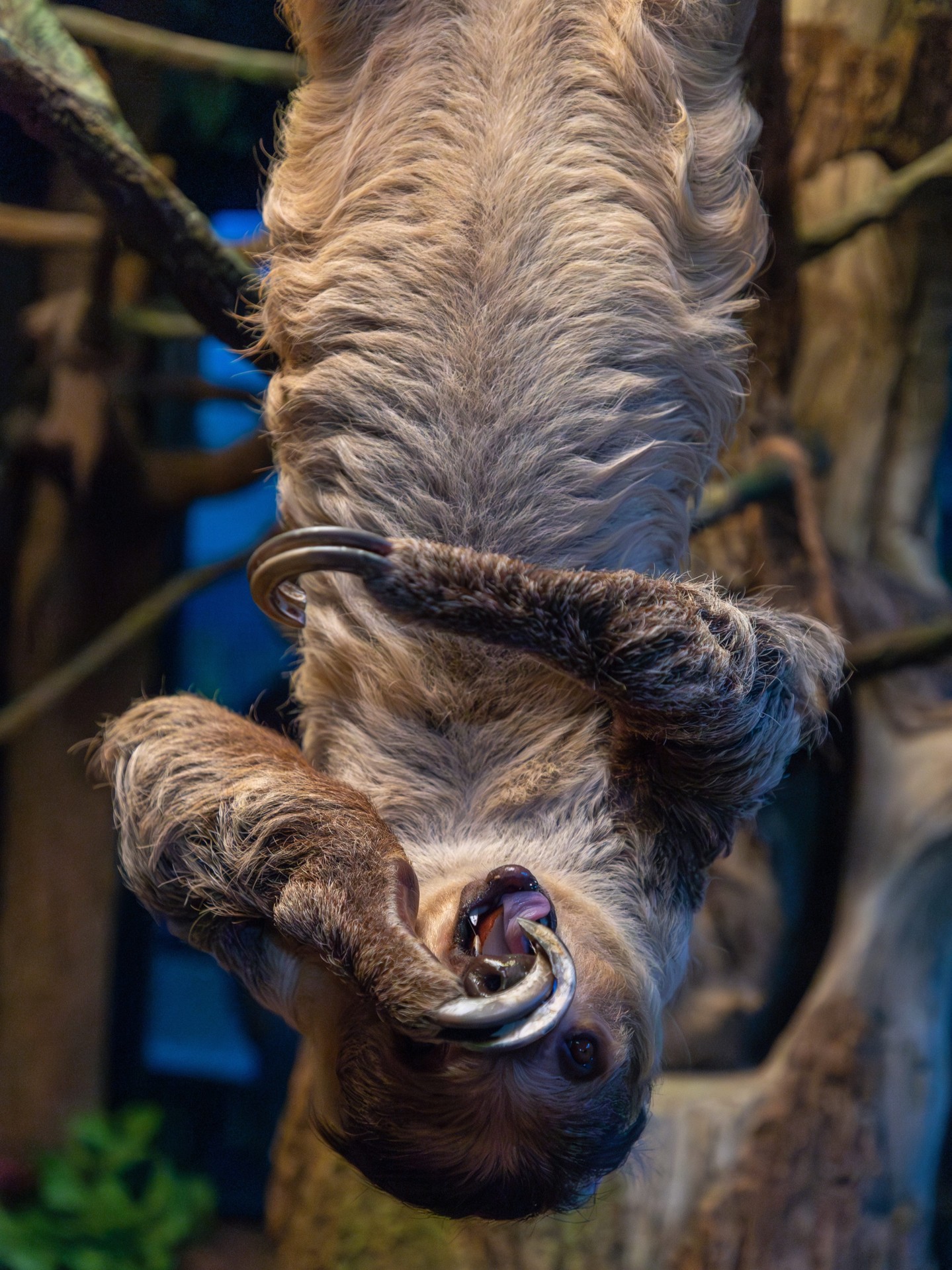
- The biology and natural habitat of sloths.
- The significance of sloth encounters for education and conservation.
- Behavioral traits and diets of two-toed sloths.
- The importance of wildlife sanctuaries and conservation efforts.
- The role of zoos and aquariums in wildlife education and preservation.
Sloths are fascinating creatures that have captured the hearts of many around the world. Their slow, deliberate movements and gentle demeanor make them irresistible to animal lovers. Understanding the biology and habitat of sloths deepens our appreciation for these incredible animals, particularly the fascinating two-toed sloths like Rico and Cleo that visitors can encounter at the aquarium.
Sloths belong to the order Pilosa and are native to Central and South America. They thrive in tropical forests, where they spend much of their time hanging from trees. Two species stand out: the two-toed sloth, represented by Rico and Cleo, and the three-toed sloth. The primary physical difference between these two groups lies in the number of toes on their forelimbs, with two-toed sloths having two and three-toed sloths having three.
Two-toed sloths are larger than their three-toed relatives. Adult two-toed sloths typically weigh between 15 and 20 pounds and measure around 24 to 30 inches in length. Their limbs are designed for climbing, featuring long, powerful claws that help them grasp branches. Their muscular bodies are well-suited for their tree-dwelling lifestyle, allowing them to navigate effortlessly among the foliage. Despite their bulk, they possess a surprisingly low metabolic rate, which translates to a lifestyle that prioritizes energy conservation.
Addressing their habitat, sloths are skilled climbers and prefer the high canopies of tropical rainforests. This elevated lifestyle not only provides them with access to food but also protects them from predators. In the wild, they mainly consume a diet of leaves, fruits, and flowers. Specifically, two-toed sloths exhibit a diet rich in fibrous leaves and possess a specialized stomach capable of digesting tough plant matter through a slow and lengthy fermentation process that can last up to a month. This unique adaptation allows them to thrive on a low-quality diet, emphasizing their evolutionary role in their ecological niche.
Sloth encounters at the aquarium offer a unique opportunity for visitors to engage with these incredible animals. During a scheduled sloth encounter, participants can witness feeding time, a chance to observe sloths up close and learn important details about their biology and behavior. Such experiences provide educational value beyond mere observation; they help foster a sense of connection to wildlife and the necessity of conservation.
Participants in sloth encounters gain firsthand knowledge about the dietary habits of these laidback creatures. Rico and Cleo enjoy a variety of foods, including specially prepared fruits and leafy greens, tailored to meet their nutritional needs. Observing them feed not only highlights their eating habits but also promotes an understanding of the critical role of diet in their overall health.
These encounters emphasize the importance of wildlife education in promoting awareness and understanding of animal conservation. Educators at the aquarium use these opportunities to discuss broader themes surrounding wildlife preservation, including habitat destruction and the impact of climate change. With many species facing threats due to human activity, it is vital to stress the importance of sustainable practices and wildlife protection.
Sloths face challenges in their natural habitats, particularly as deforestation and habitat destruction threaten their survival. Conservation efforts are increasingly necessary to protect these animals in the wild. Wildlife sanctuaries play an essential role in these initiatives, providing a safe environment for rescued and rehabilitated animals while also serving as important educational hubs.
These sanctuaries often engage in direct rescue operations, removing creatures from unsafe or damaging situations. Many sloths end up in sanctuaries due to illegal pet trading or human encroachment on their habitats. Once brought to these safe havens, wildlife professionals work tirelessly to provide care and rehabilitation services, ultimately aiming for reintegration into the wild when appropriate. However, some sloths may remain in sanctuaries permanently due to health conditions or altered behaviors, creating the need for continual support and education around coexistence with wildlife.
The importance of wildlife sanctuaries extends beyond immediate animal care. They contribute to conservation by conducting research, promoting eco-tourism, and providing educational programs. By educating the public about the challenges facing sloths—and other wildlife—these institutions create a community of advocates for animal preservation.
Aquariums and zoos also play crucial roles in wildlife education. They provide various programs and engagement strategies to raise awareness about different species. By facilitating encounters like those with Rico and Cleo, they spark interest in budding conservationists. These initiatives aim to harness the fascination and empathy visitors feel toward animals, channeling these emotions into action, whether through conservation donations, volunteer opportunities, or simply changing personal habits to protect the environment.
When it comes to sloths, their captivating nature makes them effective ambassadors for broader conservation messages. Their slow lifestyle challenges perceptions that speed and agility are paramount in nature. Understanding their unique biology encourages a more nuanced appreciation for all creatures and the ecosystems they inhabit.
In addition to educational pursuits, there are critical research efforts centered around sloths that aim to enhance our understanding of their behaviors, health needs, and habitat requirements. Researchers often study how climate change impacts their habitats and dietary patterns, gathering data to create actionable strategies for wildlife conservation. This research forms the bedrock for informed conservation recommendations and further highlights the necessity of habitat preservation and restoration.
Public interest in these animals can greatly assist conservation efforts. As more people learn about sloths and engage with initiatives like sloth encounters, they are more likely to advocate for policies and practices that protect sloth populations and their habitats. This engagement can take many forms—supporting legislation aimed at preventing deforestation, promoting recycling, or participating in community conservation projects. Every small action contributes to the collective movement for preserving wildlife and environments that are at risk.
Moreover, the presence of animals like Rico and Cleo at aquariums serves as a reminder of our interconnectedness with the natural world. It cultivates a culture of respect and responsibility while fostering appreciation for biodiversity. Observing sloths up close underscores the beauty of the natural world and the need for thoughtful stewardship.
As you participate in sloth encounters, consider what it can mean not just as a moment of joy, but as an opportunity to influence positive change. These unique educational experiences create lasting impacts, encouraging individuals to think critically about the environment and wildlife they cherish.
In a society increasingly aware of ecological challenges, understanding animals like sloths becomes vital. By engaging with sloths and supporting conservation initiatives, we extend our commitment to a future where all species can thrive. Visitors can leave the aquarium with more than just memories; they can emerge with a renewed sense of purpose for protecting the fragile ecosystems that support life on our planet.
Ultimately, fostering a deep connection with wildlife through educational opportunities like sloth encounters can inspire conservation actions that have far-reaching benefits. Rico and Cleo are more than just adorable animals; they represent a call to action. Their lives remind us that every creature matters in the delicate balance of our ecosystems. Embracing these connections with sloths encourages a more sustainable future for all living beings.
*****
Source Description
Your daily dose of sloth cuteness: delivered 📦✨
You can hang with these sloths 7 days a week at the aquarium, but did you know that you can take your experience to the next level with our sloth encounter?
Come chill with our two-toed sloths Rico and Cleo during feeding time and learn everything there is to know about these laidback creatures! 🦥
