
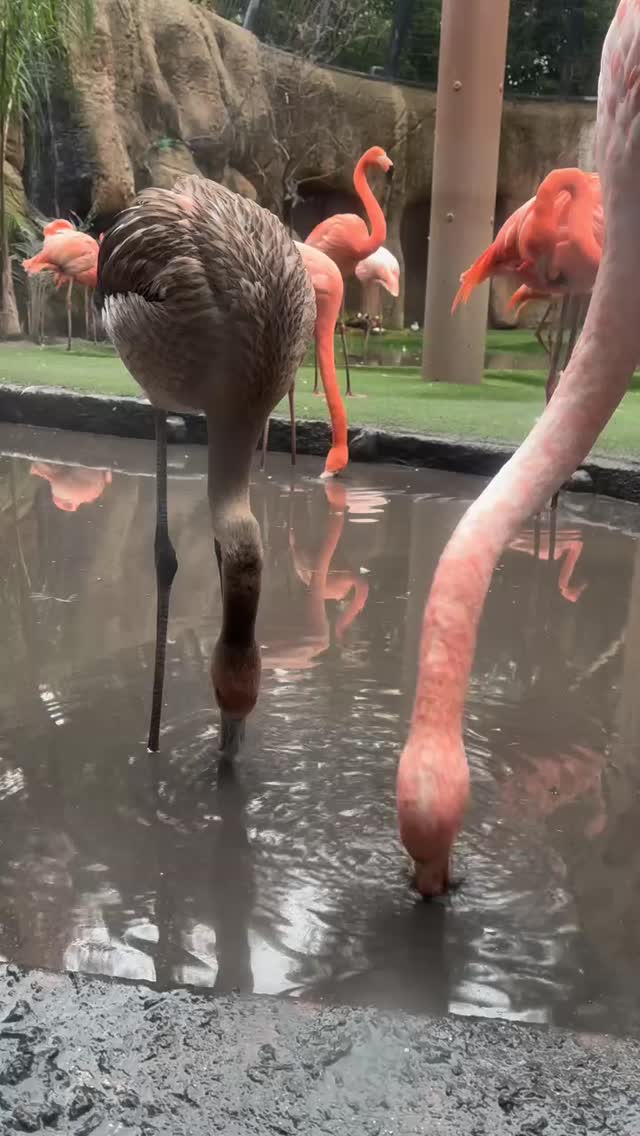
- Flamingo feeding behavior and anatomy
- The significance of color in flamingos
- The ecological role of flamingos in their habitats
- Conservation efforts for flamingos and their environments
- Cultural symbolism of flamingos in human societies
Flamingos are fascinating creatures known for their distinctive feeding behaviors and stunning plumage. Their feeding technique is one of the most interesting aspects of their biology. Flamingos feed by submerging their heads underwater and using their specialized beaks in an inverted position to filter food from the sediment. This behavior is made possible by the unique anatomy of their beaks and tongues. Instead of tearing food like many bird species, flamingos use their elongated, downward-curving bills to sift through mud and water, extracting small organisms such as algae, crustaceans, and other microorganisms.
The beak of a flamingo is specially adapted for this strategy. The lower mandible is longer and more flexible than the upper mandible, allowing the bird to create suction while feeding. Flamingos can rapidly pump their tongues up and down, pushing water and mud through the filter-like structure of their beaks. This intriguing adaptation highlights their evolution in environments that are often nutrient-poor, as they rely on such specialized feeding methods to access food sources that many other birds cannot exploit.
Flamingos are also known for their vibrant pink color, which results from the carotenoid pigments in their diet. These pigments are primarily derived from the algae and small crustaceans they consume. Carotenoids act as antioxidants and are responsible for the coloration of various organisms, including flamingos. The brighter and more vibrant a flamingo is, the healthier it generally is; this coloration is a direct indicator of its nutritional intake and overall fitness. Interestingly, flamingo chicks hatch with gray feathers and gradually acquire their pink hue as they grow and feed on the appropriate diet.
This remarkable dietary influence extends beyond aesthetics. Flamingos play a crucial ecological role in their habitats, particularly in shallow lagoons, estuaries, and saline lakes. As they wade through these waters, they stir up sediment with their webbed feet, aerating the soil and promoting nutrient cycling within the ecosystem. Their feeding behavior helps control algal blooms, thus maintaining a balanced aquatic environment. Additionally, flamingos contribute to the ecosystem by leaving behind nutrient-rich droppings, which fertilize the surrounding flora.
As charismatic as flamingos are, they face various threats that have resulted in declining populations in some areas. Habitat destruction, pollution, and climate change pose significant risks to their survival. Wetland habitats are under constant threat from urban development, agricultural expansion, and industrial activities. Moreover, rising sea levels and changes in precipitation patterns due to climate change jeopardize the delicate ecosystems that flamingos depend upon. Consequently, conserving these habitats is essential for the survival of flamingos and the diverse wildlife with which they cohabitate.
Conservation efforts have been implemented in many areas to protect flamingo populations and their habitats. Organizations dedicated to wildlife management work tirelessly to restore and maintain critical wetland ecosystems. Protection of nesting sites, regulation of water quality, and habitat restoration are crucial aspects of these efforts. In some regions, local communities are engaged in conservation projects that promote sustainable practices, such as reducing pollution and protecting water resources. Public awareness campaigns also play a vital role in fostering an understanding of the importance of preserving these remarkable birds and their ecosystems.
Globally, the cultural significance of flamingos cannot be overlooked. From ancient mythology to modern art, flamingos have captured the human imagination. In various cultures, they symbolize beauty, balance, and love. Their striking appearance often leads them to be featured in various artistic representations and motifs, emphasizing their aesthetic appeal. In some instances, flamingos are associated with tropical paradises, making them popular in tourist destinations and merchandise. Their vibrant colors and graceful movements evoke feelings of joy, further cementing their place in human culture.
Flamingos exemplify the interconnectedness of wildlife and ecosystems. Their unique feeding habits and vibrant coloration reveal important aspects of their biology, while also illustrating critical ecological concepts. The challenges they face due to environmental changes underscore the urgent need for conservation. As their populations fluctuate, understanding the intricacies of their existence will remain vital to ensuring their future. By engaging in conservation efforts and educating ourselves about these magnificent birds, we can help protect flamingos and their habitats for generations to come.
*****
Source Description
Gulp! 🦩
Did you know that flamingos eat upside down? Look closely at their beaks in the water!
Flamingos are unique eaters because of their ability to eat with their beaks completely upside down, using their tongue as a sort of pump. This method of eating works to siphon in food that their webbed feet stir up as they wade through murky waters!
