
- The historical significance of dance in human society
- The psychological benefits of dance
- The cultural diversity found in dance forms
- The role of dance in wildlife conservation and awareness
- The importance of community engagement in dance activities
Dance has held a significant place in human societies throughout history. Dating back thousands of years, it has been used not just for entertainment but as a means of storytelling, celebration, and communication. Different civilizations incorporated dance in their rituals, ceremonies, and daily lives, using movement to express identity and emotions. Indigenous cultures often viewed dance as a way to connect with ancestors, celebrate seasons, and invoke spiritual energies. This historical context highlights how dance has been essential for social bonding and cultural heritage.
Psychologically, engaging in dance can dramatically improve mental health. This physical activity increases the production of endorphins, chemicals in the brain that foster a sense of well-being. Regular dance practice can reduce symptoms of anxiety and depression. Studies indicate that participants often report a sense of freedom and relief when dancing. Furthermore, dance enables self-expression, allowing individuals to convey feelings that might be hard to articulate verbally. Participants may find an emotional outlet through various dance styles, whether through classical ballet, hip hop, or folk dances.
Diversity is a hallmark of dance, reflecting the myriad ways cultures express themselves. Each region boasts its own styles, techniques, and narratives. For example, flamenco flourished in Spain, characterized by intricate footwork and hand clapping, while Bharatanatyam, hailing from India, employs expressive gestures and facial expressions to tell stories. By exploring various dance genres, one can appreciate the unique cultural values and histories that shape these art forms. This diversity not only enriches the dance community but also fosters cross-cultural understanding.
Dance also serves as a powerful tool in wildlife conservation and awareness. Programs integrating dance with conservation efforts can attract diverse audiences and spread vital messages. Some initiatives use dance to raise funds for conservation projects or to highlight the plight of endangered species. Events might feature performances that mimic animal movements, helping participants connect emotionally with wildlife. This creative approach can raise awareness about habitat loss, poaching, and climate change and inspire community action.
Community engagement is essential in promoting dance activities, particularly in educational settings. Schools that incorporate dance into their curricula often see heightened student engagement and social interaction. These activities promote teamwork and cooperation, allowing participants to develop valuable social skills. Dance workshops and open classes can also foster a sense of belonging among individuals of various backgrounds, encouraging inclusion and diversity. When communities gather for dance, they cultivate solidarity, build lasting relationships, and enhance local culture.
In summary, the cultural significance of dance stretches back across centuries, interwoven with diverse traditions and historical narratives. Its psychological benefits are corroborated by scientific studies, making it both a joyous and therapeutic endeavor. The array of dance styles showcases cultural richness while promoting an atmosphere of inclusion and understanding. Furthermore, leveraging dance for wildlife conservation introduces a creative means to inform and engage communities in environmental issues. The community aspect of dance remains a powerful tool for building connections and fostering an appreciative social atmosphere, illustrating how deeply intertwined dance is with our lives.
*****
Source Description
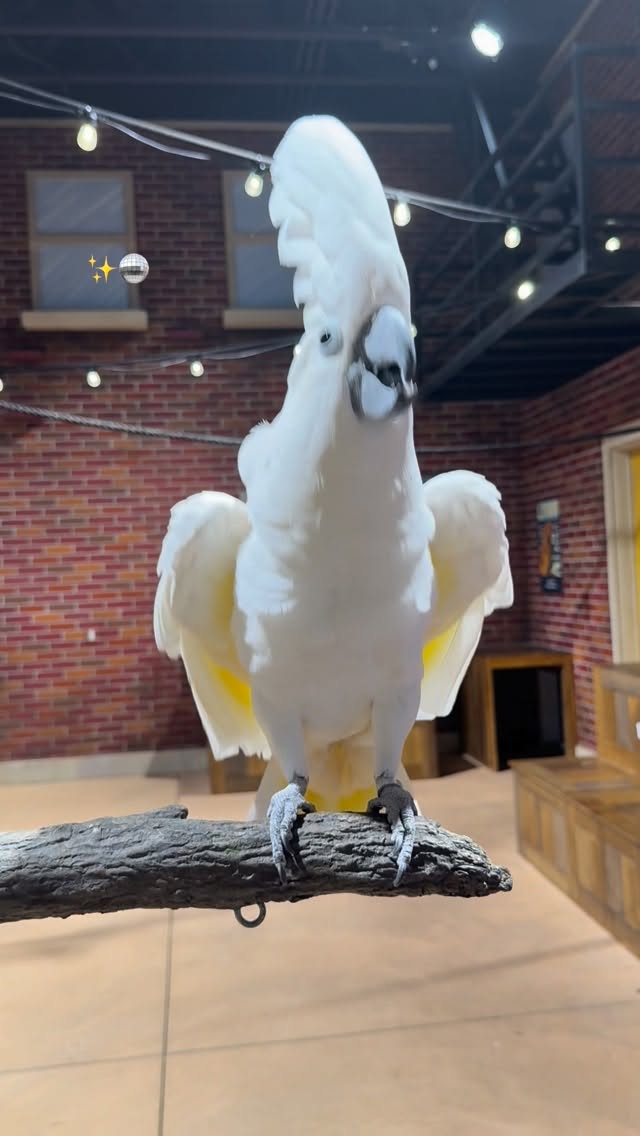
Dancing all day long ❤️🔥✨🪩
