
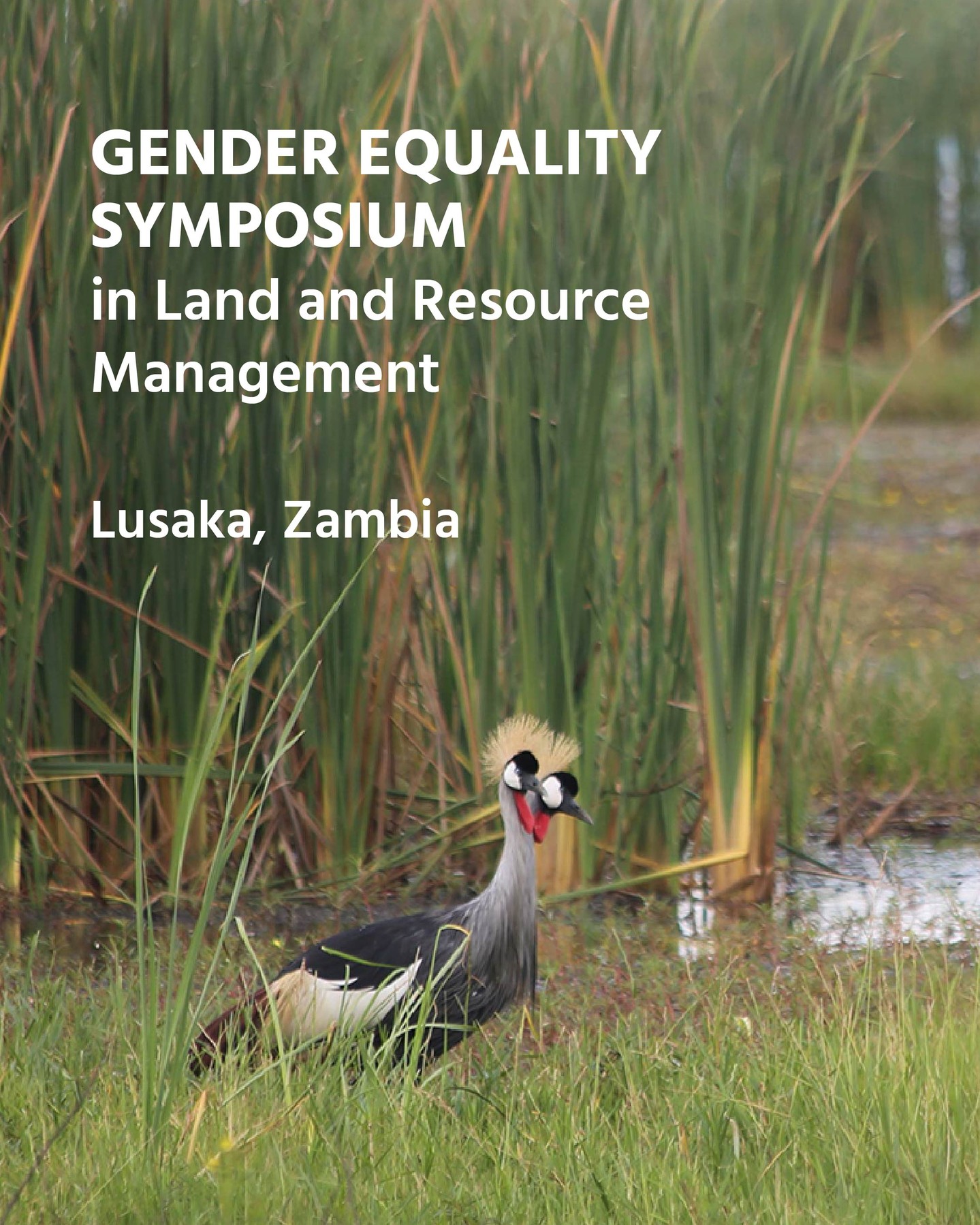
- The significance of the Gender Equality Symposium in Land and Natural Resource Management in Zambia.
- The role of women in natural resource management and conservation efforts.
- Key takeaways from the symposium and their implications for community empowerment.
- The importance of partnerships and continuous support in promoting gender-focused training.
- Future directions for enhancing women’s leadership in resource governance.
In Zambia, the intersection of gender equality and natural resource management is gaining attention, especially through initiatives like the “Gender Equality Symposium in Land and Natural Resource Management.” Last month, this symposium brought together women from various regions, amplifying their voices in the crucial discussions surrounding land rights and resource governance.
Women have long been underrepresented in decision-making roles related to land and resource management. Their participation, however, is vital for achieving sustainable environmental stewardship. The conference, held in Lusaka, aimed to equip women from diverse backgrounds—including community resource boards, cooperatives, youth groups, and parks—with the knowledge and skills required for effective engagement in conservation efforts.
A notable highlight of the conference was the attendance of Her Royal Highness Chieftainess Muwezwa from the Kafue Flats. Her presence underscored the importance of traditional leadership in promoting gender equality. By participating in such forums, local leaders can share insights from their communities while advocating for more inclusive governance practices.
Women from the Kafue Flats, supported by David Banda, the Community Relations Manager for the Zambia program, returned from the symposium expressing gratitude for the extensive knowledge gained. They committed to sharing these insights with others in their communities. This enthusiasm is critical, as it fosters a ripple effect that enhances awareness and engagement among women in environmental issues.
The symposium conducted various workshops addressing pertinent issues like land tenure security and the management of natural resources. For women, having secure land rights is not just an issue of ownership; it is a matter of livelihood and survival. Evidence shows that when women have legal rights to land, the risks associated with poverty and resource degradation decrease significantly. These workshops emphasized the necessity of promoting not only individual rights but also community rights.
A crucial point made during the symposium was the collective responsibility of women to advocate for equitable resource management. Women in many rural and urban areas often rely on natural resources for their daily activities, whether it be agricultural production, water sourcing, or biodiversity conservation. Therefore, equipping these women with the knowledge to advocate for their rights contributes significantly to sustainable land management practices.
The implications of the symposium’s lessons extend beyond individual communities. The call for comprehensive training focused on gender issues was a recurring theme. Women-specific training on natural resource management can radically shift traditional governance structures. The symposium highlighted that investing in women is an investment in future generations. Educated women often prioritize education for their children, which leads to long-term benefits for entire communities.
Partnerships emerged as a critical element for successful implementation of the knowledge shared during the symposium. Collaborations between local communities, NGOs, and government entities are vital for ensuring that resources and teaching programs reach those who need them most. Platforms such as these foster an environment where ideas can be exchanged, leading to innovative solutions that engage women in decision-making processes.
Moreover, the role of leadership among women is increasingly recognized as a key factor in environmental governance. Empowering women to take on leadership roles in this sector not only enhances their self-efficacy but also enriches the quality of policies developed. Gender-inclusive policies are more likely to address a broader range of societal needs, thereby resulting in more effective natural resource management.
Given that natural resource governance has profound effects on biodiversity and ecosystem health, neglecting the role of women can perpetuate existing inequalities and compromise sustainability efforts. Training women to lead conservation initiatives can lead to holistic strategies that include various perspectives. The more voices that are included in governance, the more robust the strategies will be.
Reflecting on the experiences shared at the symposium, it is clear that those in attendance recognized opportunities for collaboration. The collective commitment to furthering women’s rights in land and resource management signifies a growing movement toward equality. The ripple effects of this movement are already evident among the participants, many of whom pledged to empower their peers in their respective communities.
Sustaining momentum after such significant events is vital. It is not enough to convene once; continuous engagement is necessary for building durable networks and support systems for women. Local groups and organizations must be empowered to facilitate ongoing training and advocacy, making gender-focused initiatives a regular part of the conversation surrounding natural resource governance.
Investing in programs that prioritize women in conservation cannot be seen as an isolated effort; these initiatives must form part of a broader agenda aimed at structural change. By closely examining gender roles and community dynamics, policies can be better tailored to meet the actual needs of communities.
Monitoring and evaluation mechanisms are also critical for understanding the efficacy of these programs. Gathering data on participation rates, leadership roles assumed by women, and community engagement will be essential for assessing progress. By continually analyzing these factors, organizations can adapt their strategies to ensure they remain relevant and impactful.
As the importance of women in conservation and natural resource management becomes clearer, a shift in public perception is also required. Education and advocacy campaigns aimed at challenging traditional gender norms can play an important role in reshaping narratives around women’s roles in resource governance. This shift is not only beneficial for women but is integral for the future sustainability of natural ecosystems.
Equipping women with the necessary tools—be it knowledge, leadership training, or a platform for advocacy—will ensure that they can take central roles in shaping the landscapes they inhabit. The symposium created an opportunity for women to connect, learn, and share strategies to navigate the challenges they face in land and resource management.
Collectively, these efforts symbolize a growing recognition of the importance of women’s perspectives in environmental issues. Establishing equitable frameworks for resource governance can lead to enhanced biodiversity conservation, improved community well-being, and sustainable development.
*****
Source Description
Last month, our Zambia program’s Community Relations Manager, David Banda, supported women from the Kafue Flats to participate in the “Gender Equality Symposium in Land and Natural Resource Management” held in Lusaka, with funding from the McCormick and Land Facility.
The conference brought together women from across Zambia to strengthen their understanding of land and resource rights, promote meaningful participation in decision-making, and build leadership skills. Among the participants from the Kafue Flats were Her Royal Highness Chieftainess Muwezwa, alongside representatives from community resource boards, cooperatives, youth groups, and national parks.
The impact was clear—participants expressed appreciation for the knowledge gained and committed to sharing these lessons with other women in their communities. This ripple effect is key to building stronger, more inclusive natural resource governance.
Key takeaways highlight the importance of continued support for community sensitization, partnerships for gender-focused training, and the need to equip women with leadership skills ahead of broader empowerment initiatives.
Together, we are strengthening women’s voices in conservation and ensuring they play a central role in shaping the future of their landscapes.
📸 Ufulu Studios and David Banda/International Crane Foundation
