
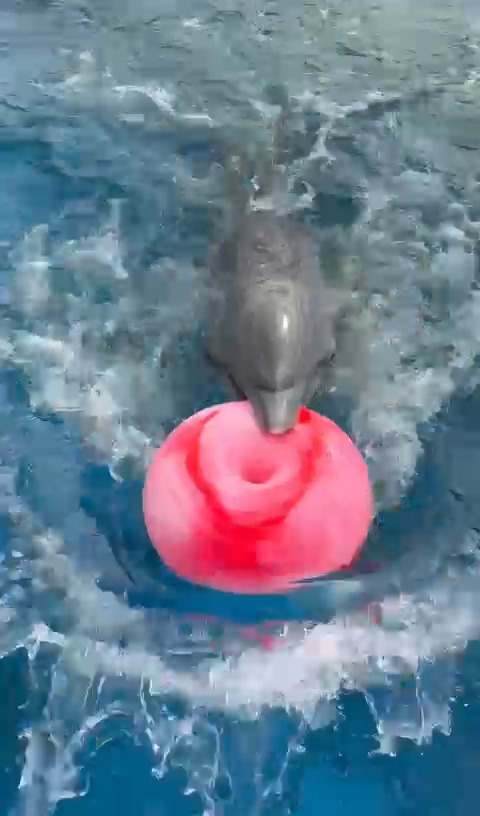
- Understanding the importance of enrichment in animal care
- Exploring Dazzle’s species and natural behaviors
- The role of the Gerdes Family and community contributions in animal welfare
- Impacts of positive reinforcement and training methods in enrichment
- Benefits of social media in raising awareness for wildlife conservation
Animal care extends beyond basic feeding and habitat maintenance. One of the most critical aspects of fostering well-being in zoo animals is enrichment. Enrichment involves providing animals with stimuli and experiences that encourage natural behaviors and promote mental and physical health. Dazzle, the featured animal in this narrative, recently received an exciting enrichment gift from Kennedi and the Gerdes Family. This kind gesture not only lights up her day but emphasizes the importance of community involvement in wildlife conservation.
Understanding the significance of enrichment in animal care requires an appreciation for the varied needs of different species. Enrichment can take many forms, such as toys, puzzles, and interactions with caregivers. For animals in captivity, these experiences are vital to combat boredom and stress. For instance, elephants may enjoy water play or foraging activities, while primates thrive with problem-solving tasks. In Dazzle’s case, her new gift likely provides much-needed stimulation, improving her overall welfare and happiness.
Dazzle’s species plays a pivotal role in how enrichment affects her. For example, if she is an animal known for social behaviors, she may delight in interactive toys or group activities. Each species has unique preferences and needs. Understanding these characteristics helps zookeepers tailor enrichment strategies to individual animals. Research has shown that tailored enrichment not only reduces stress but also encourages exploration and play, ultimately promoting a healthier lifestyle.
The contribution of the Gerdes Family exemplifies the power of community involvement in animal welfare. Donations, whether financial or through physical gifts, enhance the quality of life for zoo inhabitants. In many zoos, volunteers and donations are crucial for sustaining enrichment programs. This engagement connects the community with wildlife, fostering a sense of responsibility toward conservation efforts. The link between local communities and zoos often leads to increased awareness and interest in wildlife preservation.
Positive reinforcement training methods are another critical aspect of effective enrichment. By employing reward-based training, zookeepers can guide animals toward desired behaviors while offering them engaging experiences. For Dazzle, her new enrichment gift can be integrated into training sessions, allowing her to explore and learn in a fun, rewarding way. This method not only reinforces positive behaviors but creates a bond between the animal and its caregiver.
Social media has transformed how we share and communicate about wildlife conservation. Platforms like Instagram allow zoos to showcase animals and promote their well-being. Dazzle’s excitement about her new gift is shared through various online channels, raising awareness of the needs and joys of zoo animals. Educational posts can engage audiences and inspire action. Awareness can lead to increased support for conservation projects, funding for initiatives, and participation in community events centered around wildlife preservation.
The relationship between enrichment and animal well-being is especially important in a zoo setting. Zoos are tasked with a fundamental obligation to improve the lives of animals in their care. The psychological impacts of captivity can lead to behavioral issues if not addressed. Enrichment serves as a preventative measure against such challenges. Thus, the thoughtful provision of enrichment items plays an essential role in keeping animals engaged and content.
Moreover, understanding the behavioral ecology of animals offers insights into what forms of enrichment may be most effective. For instance, animals that exhibit foraging behaviors in the wild may thrive on activities that mimic these natural processes. This knowledge equips zookeepers with strategies to create a stimulating environment that meets the needs of their charges.
Dazzle’s happiness upon receiving her gift is a testament to the joy that enrichment can bring to animals. Fun items, such as puzzle feeders, can enhance cognitive skills. Physically interactive gifts can stimulate exercise, thereby addressing potential health issues. Through community involvement, organizations can continuously innovate and improve their enrichment offerings.
It’s also essential to consider the sustainability aspect of zoo operations. Enrichment items should consider environmental impact. The materials used in crafting toys or feeding devices should prioritize safety for animals and minimize waste. Using recyclable or biodegradable materials can reduce the ecological footprint of enrichment practices. This approach binds conservation efforts with daily zoo operations.
The integration of enrichment into the routine of animals like Dazzle not only enhances their quality of life but serves to inform the public about conservation challenges. By witnessing enrichment activities, visitors gain insights into animal behavior. This experience can spark deeper interest in wildlife preservation and science. The connection between enrichment and conservation is vital in today’s climate, as species face unprecedented threats due to habitat loss and climate change.
Educational outreach programs designed around the concept of enrichment can also engage community members. Schools and organizations can learn about the importance of wildlife welfare through interactive sessions that involve this vital aspect of animal care. By spreading knowledge, we foster a culture of empathy and responsibility towards all creatures.
Monitoring the effectiveness of enrichment is another important consideration. Zookeepers should conduct evaluations to measure the impact of various enrichment strategies. Behavioral observations, health assessments, and engagement levels provide insights into what works well. This continuous feedback loop allows for optimization of programs, ensuring the best outcomes for the animals involved.
Effective communication with the public is critical in fostering interest in conservation efforts. In showcasing animals like Dazzle, zookeepers can illustrate the direct impact of community contributions on animal welfare. Positive stories and relatable content can help demystify the challenges facing wildlife today. For instance, sharing videos that feature Dazzle enjoying her enrichment gift can create a memorable image in the minds of viewers, motivating them to participate in conservation activities.
The social responsibility of zoos extends beyond animal care. It also encompasses educating visitors about broader ecological and environmental issues. By incorporating educational opportunities into the zoo experience, guests can gain valuable knowledge about wildlife conservation efforts. This can lead to increased engagement in local and global conservation initiatives.
The focus on animal enrichment should remain a priority not just for zoos but also for individuals and communities involved in wildlife care. Educators can develop programs aimed at younger audiences that foster a sense of connection to wildlife through enrichment practices. Teaching children about the significance of animal well-being and behavior can cultivate future advocates for conservation.
Dazzle’s story, enhanced by the contributions from Kennedi and the Gerdes Family, emphasizes the dynamic connection between community involvement and animal welfare. Enrichment gifts do not merely entertain animals; they stimulate their minds, promote health, and foster engagement, making every moment a vital part of their lives.
Building a strong partnership between the community and wildlife organizations encourages the sharing of resources and knowledge, significantly enhancing enrichment strategies. In turn, this collaboration can lead to improved care and conservation outcomes, positively impacting both local ecosystems and global wildlife.
Efforts to promote animal welfare through enrichment are vital in today’s wildlife conservation landscape. Dazzle’s delight illustrates the profound effect that simple acts of kindness can have on animal inhabitants. Community engagement, innovative enrichment practices, and effective education work together to create a compassionate world for all wildlife.
This multifaceted approach underscores the importance of active participation by individuals and families in wildlife care and conservation. Each contribution plays a role in shaping the values and practices that prioritize the well-being of animals. With community support, zoos can continue their essential work in education, conservation, and the unwavering commitment to improving animal lives.
*****
Source Description
Dazzle couldn’t wait to show off her new enrichment gift from Kennedi and the Gerdes Family! Thank you so much for making her day shine! 🤩💛
