
- Aposematism: Nature’s Warning System
- The Role of Bright Colors in Animal Behavior
- The Emperor Newt: A Case Study
- Conservation Implications of Brightly Colored Species
- The Impact of Human Activity on Aposematic Species
Bright colors in the animal kingdom serve essential functions, particularly through a phenomenon known as aposematism. This strategy uses bold hues as a visual warning, alerting potential predators to the presence of harmful or inedible species. As animals like the Emperor Newt exhibit striking orange coloration, understanding the biology and implications of this warning system can provide insights into animal behavior and conservation efforts.
Aposematism, or warning coloration, is prevalent across various species. The vivid shades of red, orange, and yellow often signal toxicity or unpleasant tastes. Predators, having learned to associate these colors with negative experiences, tend to avoid such animals in the future. This warning system can dramatically impact prey survival, reducing the chances of predation through learned behavior. As these patterns of coloration evolve within species, the underlying principle remains the same: survival is geared toward signaling danger effectively.
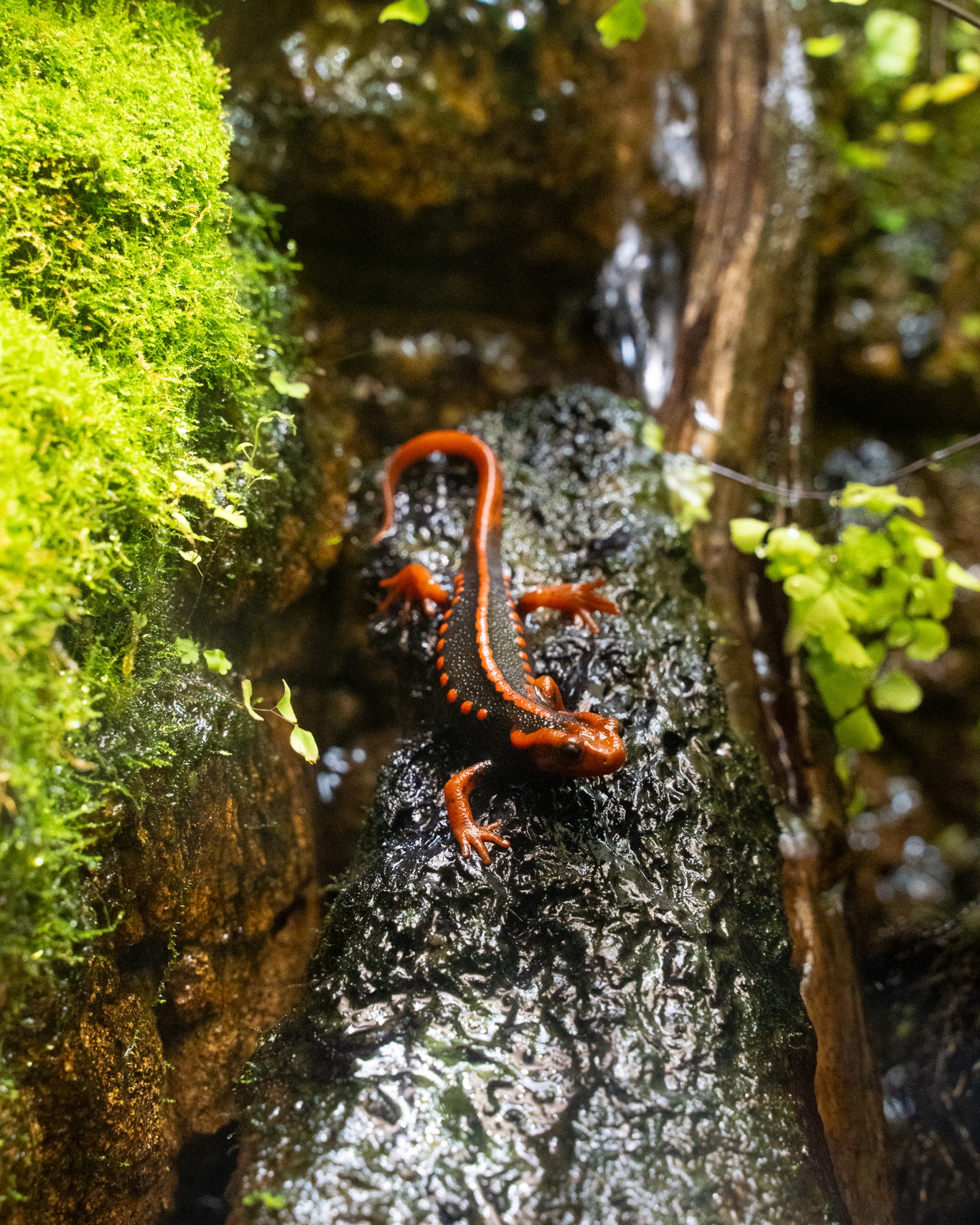
The vibrant coloration seen in many animals acts as a visual cue for both predators and observers. For instance, the iconic orange of the Emperor Newt is not just an aesthetic appeal; it encodes information about its toxicity. Bright colors can also serve to enhance visibility in low-light environments, making certain species more conspicuous to mates rather than predators.
The Emperor Newt (Taricha californica) stands out as an excellent case in point. Native to the western United States, the bright orange of this amphibian serves double duty. Not only does it warn potential predators like birds and snakes about its toxic properties, but it also plays a crucial role in mating displays. Male newts may showcase their fiery coloration to attract females during the breeding season. In this way, the Emperor Newt exemplifies a species that adeptly utilizes bright colors to navigate the challenges of survival and reproduction.
Understanding the intricacies of aposematic coloration also highlights conservation issues facing these species. Many brightly colored animals, including the Emperor Newt, are vulnerable to habitat loss due to urbanization, pollution, and climate change. This puts immense pressure on populations that rely on the visibility of their coloration for survival. Unfortunately, as their habitats shrink, the potential for encounters with predators spikes, exacerbating the risk of extinction.
Human activities can severely compromise the effectiveness of aposematic strategies among vulnerable species. Pollution can alter the environment, affecting the visibility necessary for these animals to communicate danger effectively. In addition, habitat destruction can destroy breeding grounds, further jeopardizing the survival of species that use bright coloration for mating. When humans encroach on natural habitats, the delicate balance of ecological relationships is disrupted, placing additional stress on these already vulnerable populations.
Conservation efforts aimed at protecting brightly colored species must focus not only on habitat preservation but also on public awareness. Educating communities about the significance of these species and the natural warning systems they employ can foster a sense of stewardship. By highlighting the ecological roles these animals fulfill, conservationists can motivate action and improve protection efforts.
Moreover, supporting protected areas and wildlife reserves can offer sanctuaries for aposematic species like the Emperor Newt. These regions allow populations to thrive without the threat of human intervention, maintaining biodiversity and the ecological functions that brightly colored species provide. It becomes increasingly crucial for policymakers to advocate science-driven conservation strategies that prioritize both environmental health and species survival.
Brightly colored animals evoke curiosity and admiration, making them excellent ambassadors for conservation. The plight of the Emperor Newt, combined with its stunning appearance, serves as an effective tool to draw attention to broader environmental issues. Engaging the public through education initiatives focused on these unique species can lead to sustained efforts to protect them.
Further investigations into the benefits of aposematism can lead to better understanding of evolutionary processes. For example, studies examining the adaptive significance of coloration in newly emerging populations may reveal how species change in response to selective pressures. The dynamics of predator-prey interactions, feeding behavior, and evolutionary adaptations all feed into the understanding of these strikingly colored animals.
While focusing on brightly colored animals like the Emperor Newt unveils fascinating aspects of ecology and conservation, it also lays bare the interconnectedness of living organisms and their environments. Each adjustment in an ecosystem can produce ripple effects, showing the importance of considering all components when guarded action is necessary.
Public interest in animal species often propels momentum for conservation efforts. As conversations surrounding the conservation of species like the Emperor Newt gain traction, society must prioritize proactive measures. These measures include habitat restoration, pollution control, and legislative action aimed at safeguarding iconic species.
In summary, the eye-catching orange color of the Emperor Newt is a striking example of aposematism, serving as both a warning to predators and an attractive feature in mate selection. Understanding this phenomenon and its ecological implications presents valuable insights into the dynamics of survival and biodiversity. It highlights the need for concerted conservation efforts to ensure the continued existence of such remarkable species in an ever-changing environment. Together, awareness and action are key to preserving the fascinating interplay of brightly colored animals and their roles in the ecosystem.
*****
Source Description
This strikingly orange color isn’t just for show – it serves an important purpose! 🦎
In the animal kingdom, bright hues like red, orange, yellow, or blue are nature’s way of warning predators about toxicity, helping amphibians like this Emperor Newt avoid becoming lunch.
This strategy, called aposematism, is one of nature’s most effective ways for prey to advertise their defenses.
What’s your favorite brightly colored animal? Drop a 🧡 if Emperor Newts just became yours!
