
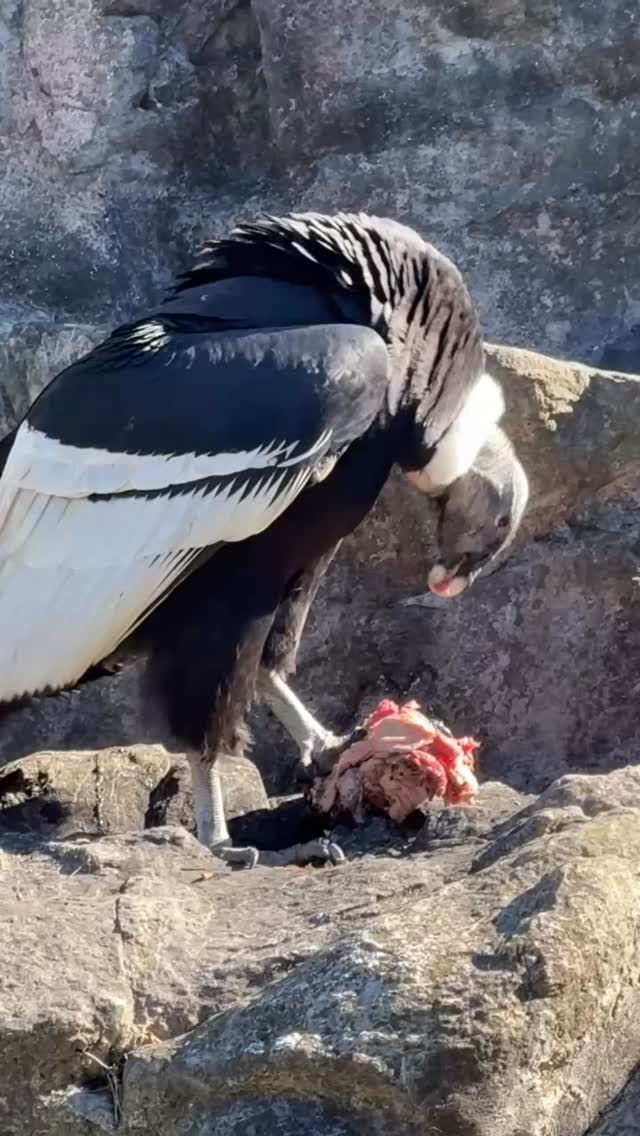
- The feeding behavior and diet of the Andean condor.
- The ecological importance of scavengers like the condor.
- The impact of human activity on condor populations and their food sources.
- Conservation efforts aimed at protecting the Andean condor.
- Understanding the physiology that aids the condor in scavenging.
The Andean condor, one of the largest flying birds in the world, serves a crucial role in its ecosystem. This magnificent bird is a scavenger, relying on carrion as its primary food source. It plays a vital role in the environment by helping to decompose dead animals and maintain ecological balance.
Dietary habits of the Andean condor focus almost exclusively on carrion. These birds are not hunters; therefore, they primarily consume the remains of dead animals, including large mammals such as deer, cattle, and sheep. Their keen eyesight allows them to spot carcasses from great heights, often soaring at altitudes of up to 15,000 feet. Unlike many of their avian counterparts, condors do not have a strong sense of smell. Instead, they rely on their eyesight to locate food sources. This adaptation makes them highly efficient scavengers.
When a carcass is discovered, a condor may feast on it alone, or it can attract other scavengers. During such times, the feeding frenzy can involve multiple species, including vultures and other birds of prey. This communal feeding behavior highlights the interdependent relationship among scavengers. The condor has a diet that varies with regional availability, but its reliance on carrion remains consistent across its habitat.
The ecological significance of the Andean condor cannot be overstated. As a scavenger, it helps control disease by consuming decomposing carcasses that can harbor pathogens. Without scavengers like the condor, ecosystems would face serious sanitary issues, leading to outbreaks of diseases that can affect both animal and human populations. The disappearance of these birds could result in an increased number of decomposing animals, raising concerns about hygiene and ecological stability.
Human activity has profoundly impacted the Andean condor and its food sources. Habitat destruction, poaching, and changes in agricultural practices have reduced the number of natural carrion sources available to condors. Livestock carcasses, once abundant in natural habitats, are now managed more strictly, often leading to scarcity. Additionally, poisoning, either intentional or accidental, affects not only condor populations but also other scavengers, creating a ripple effect throughout the ecosystem. The use of lead ammunition in hunting remains particularly hazardous, as lead poisoning in scavengers is a significant conservation issue.
Efforts to protect the Andean condor have increased in recent years. Various organizations focus on habitat restoration, public education, and implementing policies that safeguard these birds. Conservation programs emphasize the importance of educating local communities about the ecological role of scavengers, fostering coexistence between livestock farming and wildlife protection. Moreover, captive breeding programs aim to bolster populations while simultaneously reintroducing condors into the wild. The Andean condor is a protected species in several countries across South America, highlighting the urgency of its conservation.
The physiology of the Andean condor is perfectly adapted for its scavenging lifestyle. It possesses an impressive wingspan, reaching up to 10.5 feet, which allows for efficient soaring without excessive energy expenditure. Their lightweight skeletal structure, combined with large air sacs, enables them to glide effortlessly while searching for food. Additionally, their strong, hooked beaks are designed for tearing flesh, making it easier to consume the tough hides and muscle of large carcasses.
Diet, ecological role, and conservation efforts surrounding the Andean condor encompass a multifaceted understanding of this bird’s existence. Awareness of how these magnificent scavengers operate highlights the intricate interconnections within ecosystems. These birds are not just vital components; they are indicators of a healthy environment, emphasizing the need for conservation strategies that support their populations and, in turn, the health of the ecosystems they inhabit.
In summary, the feeding behavior and overall life of the Andean condor are intertwined with broader ecological dynamics. Their role as scavengers illustrates the importance of biological systems that depend on one another for balance and sustainability. Humanity’s responsibility toward these magnificent birds includes protecting their habitats, promoting safe environmental practices, and appreciating the natural order. By doing so, we can help ensure that the Andean condor and its vital contributions to the ecosystem endure for future generations.
*****
Source Description
🦅 ¿De qué se alimenta un cóndor?
Como todos los buitres, se alimenta de carroña y cumple una función clave: ayuda a mantener limpio el ambiente y evitar la propagación de enfermedades. Actúan como un sistema de “limpieza natural”. 🌱
Sin ellos, todo sería distinto.
📸 @cleosantander
