
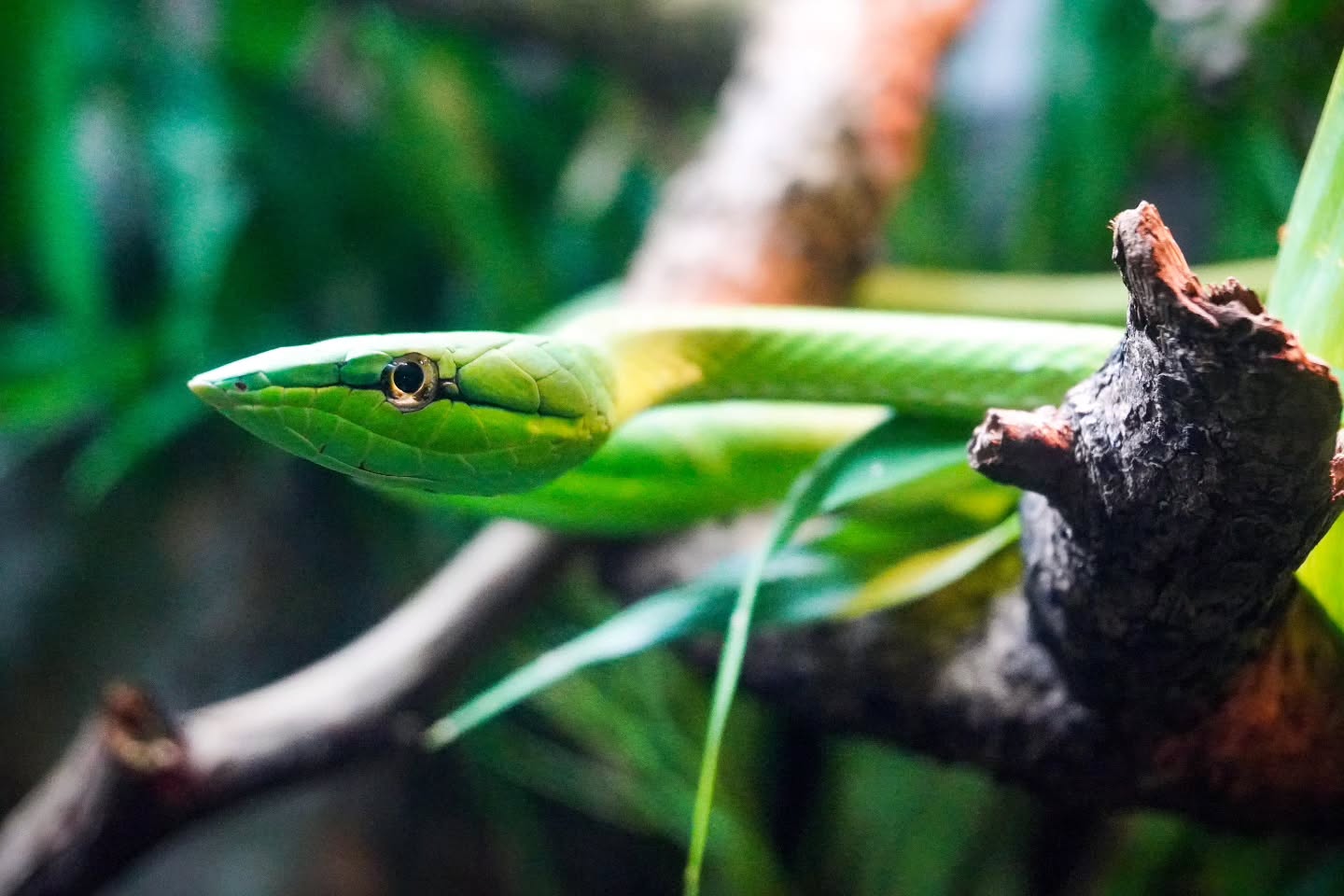
- Overview of the Green Vine Snake’s taxonomy and habitat
- Physical characteristics and adaptations
- Behavior and diet in the wild
- The role of Green Vine Snakes in their ecosystem
- Conservation status and preservation efforts
The Green Vine Snake (Oxybelis fulgidus) belongs to the Colubridae family, a group widely recognized for its non-venomous nature. This species primarily inhabits the humid rainforests of Central and South America, ranging from southern Mexico to western Ecuador and into parts of Colombia. Preferring a canopy-dwelling lifestyle, it thrives in environments rich in vegetation. The lush greenery provides not only camouflage but also abundant opportunities for hunting.
The striking physical characteristics of the Green Vine Snake distinguish it from other snakes. Its elongated body is predominantly green, allowing it to blend seamlessly with its arboreal surroundings. This coloration aids in evading predators while providing an advantage when ambushing prey. The snake can grow to lengths of about 1.5 to 2.5 meters, with a slender frame that facilitates agility in the trees. Additionally, its large, wide eyes enhance vision, enabling better spotting of both prey and potential threats.
Behaviorally, the Green Vine Snake is a primarily diurnal species, active during the day when it hunts for food. Its diet mainly consists of lizards and small mammals, primarily taking advantage of its camouflaged position in the treetops to ambush unsuspecting animals below. This method of predation is crucial for its survival, as it relies on stealth and patience to catch its meals. The snake’s constricting method of killing its prey demonstrates a specialized adaptation for its feeding habits, allowing it to subdue animals larger than itself.
The ecological role of the Green Vine Snake is substantial, acting as both predator and prey within its ecosystem. By controlling populations of lizards and small mammals, it performs a vital function in maintaining ecological balance. This dynamic contributes to the overall health of the forest environment. At the same time, it serves as a food source for larger predators, such as birds of prey and larger snakes, thereby linking various trophic levels in the ecosystem.
Despite its important ecological position, the Green Vine Snake faces threats that could largely impact its populations. Habitat destruction, primarily due to logging and urbanization, poses a significant risk. As rainforests are cleared, the snakes lose their natural habitats, severely affecting their numbers and distribution. Additionally, the illegal pet trade also puts pressure on their populations, as individuals are captured to meet the demands for exotic pets.
Conservation efforts are paramount in addressing these challenges. Various organizations work towards habitat preservation, advocating for sustainable logging practices and the protection of rainforest ecosystems. Educational programs targeting local communities aim to raise awareness about the importance of biodiversity and the need to protect species like the Green Vine Snake. These initiatives play a crucial role in fostering a sense of stewardship toward the environment.
In habitats where their populations are stable, Green Vine Snakes can offer lessons in resilience and adaptability. They demonstrate how species can thrive in specialized niches. Their elegant hunting and foraging strategies reveal insights into evolutionary biology, showcasing adaptations that have emerged over time. Learning from such species informs conservation approaches, ensuring that efforts are more effectively aligned with the requirements of both the species and its habitat.
In further examining the Green Vine Snake, it becomes evident how each element—from its unique physical characteristics to its critical role in the ecosystem—works together to define its existence. As a non-venomous snake that exhibits remarkable adaptations for survival and predation, Oxybelis fulgidus serves as an essential component of its habitat. Consequently, the ongoing conservation of such species is vital for preserving biodiversity and enhancing the health of ecosystems, highlighting the need for continued research and protection strategies.
*****
Source Description
Green Vine Snake (Oxybelis fulgidus) 📷 @ the @bronxzoo
