
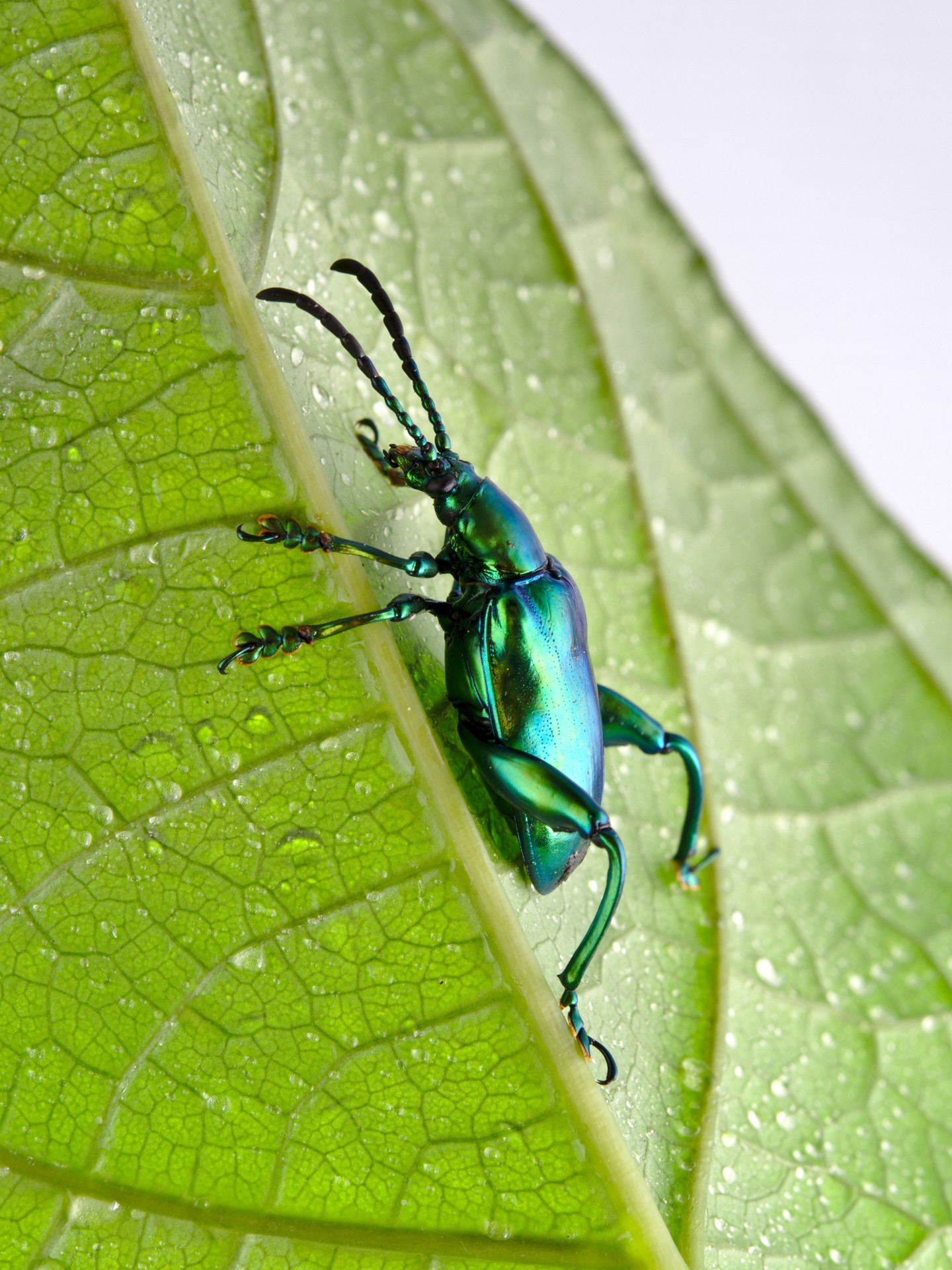
- The remarkable characteristics of the frog beetle (Sagra femorata)
- The ecological role and habitat of the frog beetle
- Conservation efforts and challenges for the frog beetle
- The importance of public awareness and education regarding the frog beetle
- The relationship of the frog beetle with other species and the ecosystem
The frog beetle, scientifically known as Sagra femorata, is a stunning example of nature’s artistry. Measuring approximately 3 centimeters in length, this vibrantly colored beetle showcases a kaleidoscope of hues, including blue, green, purple, reddish, and gold. These brilliant colors not only contribute to its name but also make it a visual marvel that captures the interest of entomologists, conservationists, and the public alike. The beetle’s iridescence can be attributed to microscopic structures in its exoskeleton, which refract light and create its dazzling colors.
This species primarily inhabits areas rich in organic material, often found near water bodies, which are integral to its life cycle. The frog beetle’s diet mainly consists of decaying plant matter and organic debris, which it decomposes, thereby playing a crucial role in nutrient cycling within its ecosystem. This ability to break down organic materials contributes significantly to soil health and fertility, supporting a range of other organisms.
The ecological role of Sagra femorata extends beyond mere decomposition. As a consumer of organic matter, this beetle interacts with various microorganisms in the soil, enhancing nutrient availability for plants and promoting a balanced ecosystem. Its existence indicates a healthy environment, as it thrives in areas that maintain biodiversity. The frog beetle, therefore, serves as an important bioindicator, helping scientists assess the health of ecosystems and environmental changes.
However, the frog beetle faces several conservation challenges. Habitat loss due to urbanization, agriculture, and pollution poses significant threats. As natural habitats are destroyed or altered, the availability of resources such as food and breeding grounds diminishes. Additionally, pesticides and other chemical pollutants can have detrimental effects on its population. Ongoing scientific studies emphasize the need for habitat preservation and restoration efforts to sustain not just the frog beetle but the entire ecosystem it supports.
Public awareness is a vital component of conservation efforts for the frog beetle. Engaging communities to recognize the value of biodiversity and the importance of preserving unique species fosters a culture of environmental stewardship. Educational programs, like the “Face to Face” exhibit at the Insectarium, aim to enhance public understanding of insects and their ecological roles. By showcasing the frog beetle’s beauty and importance, such initiatives can inspire action and lead to better conservation practices among individuals and communities.
The interactions of the frog beetle with other species further highlight its role in the ecosystem. It acts as a prey item for various predators, including birds and small mammals. This relationship illustrates the intricate web of life where each species plays a part in maintaining balance. Moreover, the frog beetle contributes to the biodiversity that underpins ecosystem resilience. A diverse community of organisms is more capable of withstanding environmental changes, making the presence of species like the frog beetle crucial.
Research into Sagra femorata and similar species sheds light on broader ecological principles. For instance, scientists study the behaviors and interactions of various insects and their adaptations to specific habitats. Findings from such studies can have implications for agricultural practices, pest control, and the management of natural resources. Understanding the frog beetle’s life cycle and reproductive habits enhances not only scientific knowledge but also informs conservation strategies that can be implemented in the field.
In summary, the frog beetle (Sagra femorata) exemplifies the beauty and complexity of biodiversity. With its striking appearance, it plays a significant role in its ecosystem through decomposition and nutrient cycling. However, it faces challenges that threaten its survival, making conservation efforts essential. By raising awareness and fostering educational opportunities, we can promote the protection of this remarkable beetle and the ecosystems it inhabits. Ensuring its survival not only benefits the frog beetle but helps maintain the delicate balance of the environments in which it resides.
*****
Source Description
🐸🪲 Un insecte grenouille… ça existe!?
La chrysomèle grenouille (Sagra femorata) rejoint officiellement le Tête-à-Tête de l’Insectarium!
Ce coléoptère spectaculaire d’environ 3 cm brille de mille feux : bleu, vert, violet, rougeâtre, doré… un véritable bijou vivant. 💎
🐸✨ Suivez le lien dans la bio de @espacepourlavie pour en apprendre davantage.
*****
🐸🪲 A frog insect… really?!
The frog beetle (Sagra femorata) has officially joined the Insectarium’s “Face to Face” exhibit!
This spectacular beetle, about 3 cm long, shines brilliantly: blue, green, purple, reddish, gold… a true living jewel. 💎
🐸✨ Follow the link in @espacepourlavie’s bio to learn more.
📸 : Thierry Boislard
