
- Pumpkins as an Interactive Experience: Play and Learning
- Nutritional Benefits of Pumpkins for Wildlife and Humans
- Pumpkin Conservation and Sustainable Practices
- The Role of Zoos in Promoting Pumpkin Interaction
- Fun Pumpkin Activities for Children: Educational and Engaging
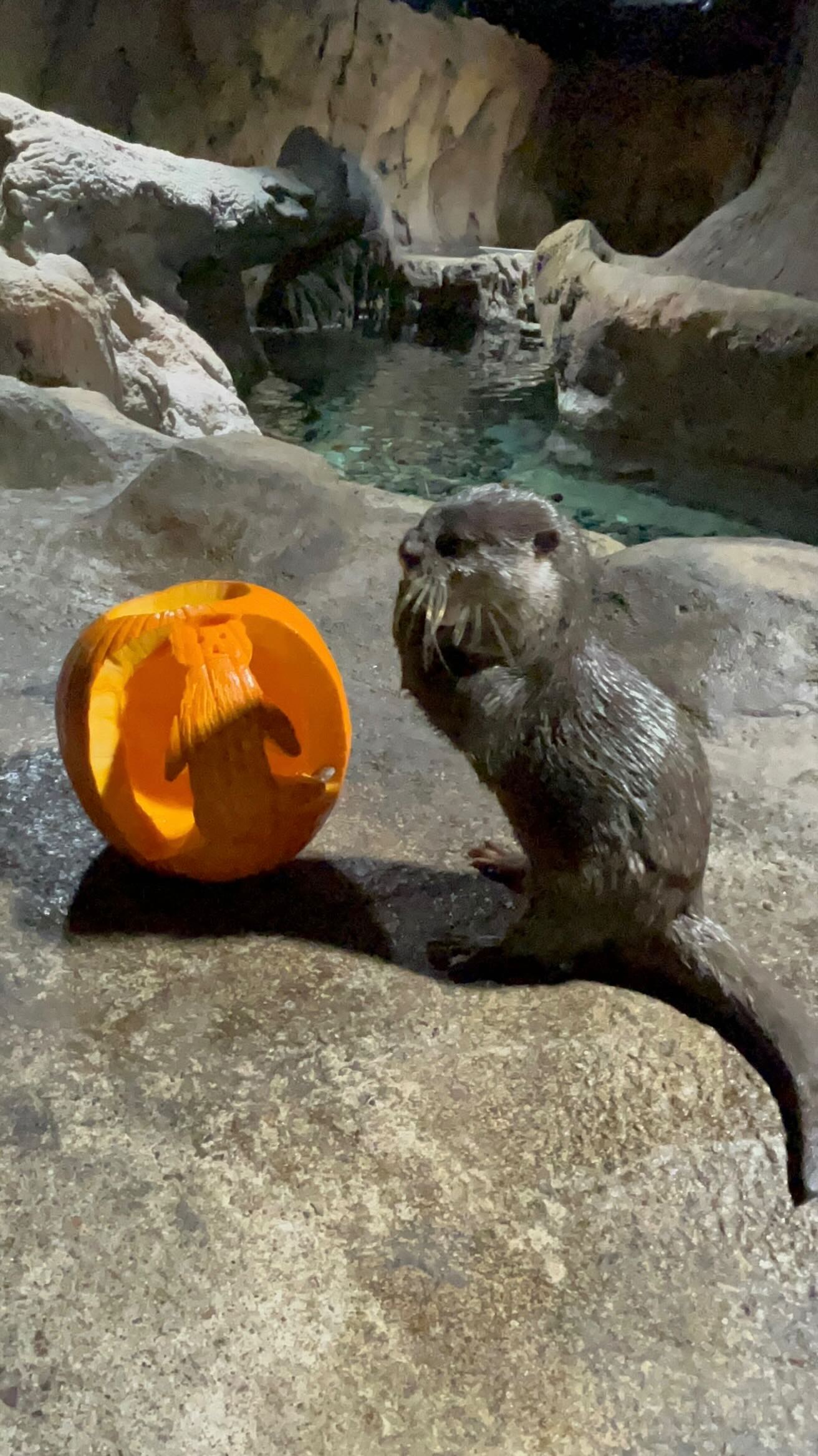
Pumpkins are more than just a seasonal decoration; they serve as a captivating tool for engagement and education, particularly in zoological settings. As living food sources and playthings, pumpkins continue to gain popularity, especially among curious critters like otters. These animals demonstrate how pumpkins can facilitate both mental stimulation and physical activity, making them an excellent resource for zoos seeking to educate the public about animal behavior.
Pumpkins as an Interactive Experience: Play and Learning
Zoos and aquariums utilize pumpkins in various ways to comprise an interactive learning experience for animals and visitors. From feeding sessions to enrichment activities, pumpkins provide opportunities for animals to engage their natural behaviors. Animals such as otters, bears, and elephants display instinctive behaviors when interacting with pumpkins. They may roll them, chew on them, and even dive to retrieve them from water, just as they would in their wild habitats.
This interaction has educational value. For instance, observing otters play with a pumpkin allows visitors to learn about the habitats of these marine mammals, their dietary needs, and their playful nature. Pumpkins naturally promote curiosity, not just for the animals but also for the spectators. By integrating pumpkins into exhibiting animals, zoos foster a sense of connection between visitors and wildlife.
Moreover, pumpkins can be a versatile tool for promoting environmental awareness. Educational programs can demonstrate how pumpkins are grown, harvested, and their subsequent contributions to wildlife. Through this hands-on approach, children and adults alike gain a better understanding of agricultural practices and food systems.
Nutritional Benefits of Pumpkins for Wildlife and Humans
Pumpkins are not only engaging but also packed with nutrients. They are rich in vitamins A, C, and E, along with essential minerals like potassium and magnesium. For wildlife, especially herbivorous species, pumpkins contribute important dietary fiber. This fiber aids in digestion, keeping animals healthier.
For animals like otters, who may have limited access to fruits and vegetables in their natural habitats, pumpkins offer a nutritious alternative during particular seasons. This is vital for zoos focusing on a diverse diet for their residents. In turn, prompted by such healthy eating habits, educational establishments may conduct programs that teach children the importance of fruits and vegetables in human diets.
Humans also benefit from pumpkins, thanks to their versatility in meals. Beyond the traditional pumpkin pie, which most associate with the fall season, pumpkins can be used in soups, salads, and even bread. Such culinary adaptations can encourage a more health-conscious eating culture and promote farm-to-table practices.
Pumpkin Conservation and Sustainable Practices
Integrating pumpkins into wildlife settings also ties into broader themes of sustainability and conservation. Many pumpkin farms practice sustainable agriculture, and through collaborations, zoos can directly contribute to these practices. Using organic pumpkins creates a symbiotic relationship between local farmers and zoos, promoting ethical sourcing.
Sustainable practices in pumpkin farming help reduce the carbon footprint associated with transporting produce over long distances. By sourcing locally grown pumpkins, zoos play an active role in community sustainability efforts. Moreover, zoos that engage in educational outreach about sustainable agriculture empower visitors to adopt eco-friendly habits in their lives.
Conservation efforts further focus on preserving pumpkin seeds and cultivating heritage varieties. These traditional strains often require fewer pesticides, making them a healthier option for both wildlife and humans. Informational seminars at zoos can illustrate why preserving plant biodiversity is essential for balancing human needs and wildlife habitats.
The Role of Zoos in Promoting Pumpkin Interaction
Zoos play a crucial role in enriching the lives of the animals they care for, as well as enhancing public knowledge about wildlife. When pumpkins are introduced into habitat displays or education programs, they serve a dual purpose: offering enrichment for the animals while sparking interest in the human audience.
Many zoos now feature interactive exhibits that engage children and families in learning about their inhabitants. For example, storytelling sessions about the lifecycle of a pumpkin can coincide with feeding sessions for otters, enabling children to connect the story with real-world applications. This immersive framework creates a richer educational experience.
Additionally, zoos often host events during Halloween and autumn harvest festivals where pumpkins take center stage. Families can participate in activities such as carving pumpkins or learning how to roast seeds. Such events not only entertain but also provide enlightening insights into animal behavior and healthy eating habits.
Fun Pumpkin Activities for Children: Educational and Engaging
Various engaging activities could be crafted around pumpkins. Schools, libraries, and zoos can easily implement programs that combine fun with education. For example, pumpkin decorating can be an excellent way to teach children about different colors and sizes, as well as the anatomy of a pumpkin.
Art projects involving pumpkins can enhance creativity while offering an outlet for expression. Children can learn about the life cycle of a pumpkin through experiential learning. By planting seeds and nurturing them, kids witness firsthand how natural processes unfold.
Field trips to local farms can encourage kids to understand where food comes from and inspire future eco-conscious behaviors. When connected with programs at zoos, these field trips can provide a broader perspective on agricultural practices and animal habitats. Through collaborative classroom settings and zoo programs, the importance of food awareness fosters respect for both animals and plants.
In addition to traditional crafts, science experiments can be devised to explore the properties of pumpkins. Simple tasks such as density tests can show how pumpkins float while teaching basic scientific principles. This hands-on science education opens avenues for inquiry and exploration, promoting a love for both learning and nature.
Pumpkins are not just a quirky seasonal icon; they serve a crucial role in education, animal enrichment, and environmental stewardship. Through their multifaceted contributions, pumpkins enrich our understanding of wildlife while fostering a deep respect for nature’s gifts. As these vibrant orange fruits find their place in educational settings and conservation practices, we recognize how playful interactions, healthful nutrition, and sustainable practices converge within the pumpkin experience, making them “otter approved.”
*****
Source Description
Fun to play with and to eat!🎃 Pumpkins are officially otter approved! 🦦
