
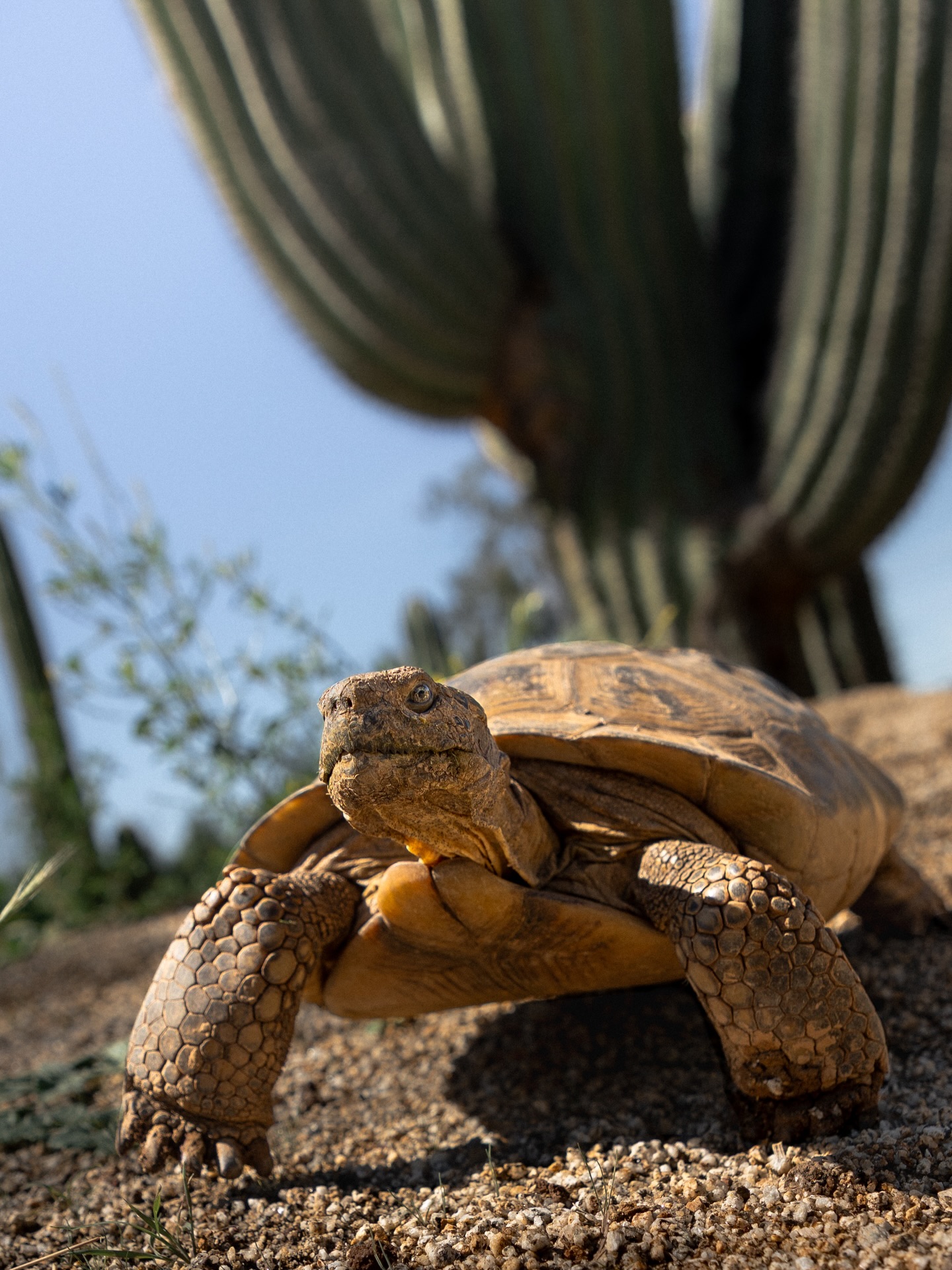
- Understanding the natural habitat requirements of desert tortoises
- The significance of a spacious environment for well-being
- Key features of a 30,000 square foot habitat
- Importance of plant selection and soil composition
- The role of habitat enrichment in promoting natural behaviors
Desert tortoises, Gopherus agassizii, are unique reptiles adapted to the arid conditions of the Mojave Desert. Their home must provide specific environmental conditions that mimic their natural habitat. This means warm sunlight, sandy soil for burrowing, and a diverse landscape populated by local flora. As a species, they thrive in regions marked by open space, rolling hills, and vegetation like native grasses, wildflowers, and shrubs. Constructing a suitable environment for a desert tortoise requires careful consideration of these factors.
The introduction of a 30,000 square foot habitat offers immense opportunities for this tortoise’s well-being. Large spaces allow for natural movement patterns, promote physical health, and provide the security that these animals need. A spacious environment encourages exploration and reduces stress, factors critical for a reptile that relies on a wide-ranging vicinity to find food, shelter, and mates.
Within this expansive habitat, several features play crucial roles in creating an ideal environment. Firstly, the arid landscape design includes a dry creek bed. This not only enhances the aesthetic quality of the habitat but also replicates the natural topography of the Mojave Desert. Such dynamic features facilitate movement and provide various resting spots, mimicking the natural world that these tortoises inhabit.
Plant selection is another essential element. The flora must consist of native plants that the desert tortoise would typically forage on in the wild. This includes grasses and low shrubs which are both nutritional and safe. Local plants not only cater to feeding preferences but also serve to create shade and shelter, thereby enriching the tortoise’s surroundings. These considerations are vital as they foster a greater connection to the tortoise’s natural instincts.
Soil composition plays an equally important role in the habitat setup. A mixture that allows for easy burrowing is critical. Desert tortoises dig extensively to escape extreme temperatures and to create nests. The right substrate is loose enough to facilitate this behavior but compact enough to maintain structural integrity during burrow formation. An optimal balance of sand, small pebbles, and organic matter will replicate the conditions found in their native environment effectively.
Habitat enrichment is instrumental in promoting natural behaviors in tortoises. This enrichment can include hiding spots, varying elevation, and seasonal vegetation changes. These features promote a complex interaction with their environment, making the habitat engaging and stimulating. In a space of 30,000 square feet, there are extensive opportunities for creating microhabitats that cater to the specific needs of the tortoise during different times of the day and seasons.
Moreover, the importance of hydration cannot be underestimated. While desert tortoises are capable of surviving with little water, they do benefit from sources that replicate their natural means of hydration. This can be achieved through shallow water stations or natural rain catchments, which allow the tortoise to access water without significant effort. Such features support metabolic functions and overall health, ensuring their vitality in the prolonged heat of the desert.
Interactions with other fauna can also contribute to the habitat’s richness. Allowing for the presence of smaller insects and other harmless species can create a more dynamic ecosystem, which promotes ecological balance and reflects the tortoise’s natural interactions in the wild. The incorporation of such biotic factors can lead to a more balanced and healthy habitat, where the tortoise can experience elements of its natural lifestyle.
Feeding practices should align with the tortoise’s natural dietary habits. The introduction of specific food sources grown directly in the habitat not only reduces stress associated with transportation but also ensures that the diet remains nutritionally relevant. The presence of local flora like dandelions, clover, and other native plants promotes foraging behaviors and caters to the tortoise’s natural feeding instincts.
The social aspect of a habitat is often overlooked but is essential for certain species of tortoises. While desert tortoises are generally solitary, appropriate social structures can influence their behavior positively. Controlled introduction to another tortoise can encourage healthy interaction, combat loneliness, and stimulate natural social behaviors.
Maintenance of the habitat is also a crucial aspect of its success. Regular monitoring of soil quality, plant health, and overall environment ensures that the habitat remains supportive. Keeping an eye on temperature fluctuations, hydration levels, and food sources allows for timely interventions if needed. Providing supplementary feed during drought conditions or adjusting the design to better capture winter rainfall are excellent practices that can adapt to changing environmental conditions.
Climate resilience is vital when discussing habitats for desert tortoises. This species is particularly vulnerable to changing weather patterns, which can impact food availability and hydration sources. Creating a habitat that allows some flexibility in terms of design can mitigate the effects of extreme weather, whether it be excessive heat or unseasonal rain.
Overall, constructing a 30,000 square foot habitat for a desert tortoise creates an excellent opportunity to mimic natural conditions closely. This process requires extensive knowledge of the species’ behaviors, nutritional needs, and environmental interactions. An adequately designed habitat can provide a stable and enriching environment that promotes health, well-being, and a connection to the natural world.
Through thoughtful construction and active maintenance of the desert tortoise’s expansive home, we not only cater to its immediate needs but also contribute to the long-term survival of the species in the wild. As advocates for wildlife conservation, the lessons learned in creating a suitable environment for tortoises may extend beyond individual species, inspiring efforts to protect and preserve earth’s diverse ecosystems. The importance of biodiversity cannot be overstated. Every effort in helping a single species can reverberate through the entire ecological network, ensuring healthier habitats for future generations.
This approach to habitat design serves as a profound example of the intersection between wildlife management and conservation, marrying scientific principles with practical applications. Understanding that the desert tortoise requires a habitat reflecting its natural surroundings guides all efforts, from plant selection to environmental monitoring. It illustrates the broader goals underpinning wildlife care and conservation efforts as we move forward in maintaining fragile ecosystems. Each meticulously planned feature of this new desert tortoise habitat contributes to a larger narrative of environmental stewardship and responsibility toward the species we share our planet with.
*****
Source Description
Our desert tortoise just got a 30,000 sq ft home 🏜️
What does “home” look like for a desert tortoise?
For a species native to the Mojave Desert, it means warm sun, sandy soil for digging deep burrows, and a landscape shaped by rolling hills, open space, and desert plants like native grasses, wildflowers, and low shrubs to forage on.
Her new habitat spans over 30,000 square feet and even includes a dry creek bed, creating a more dynamic environment to explore, rest, and move through at her own pace.
This space was designed to reflect those natural conditions as closely as possible. Even small details, from plant selection to soil composition, play a big role in supporting the behaviors that define her in the wild.
