
- The importance of specialized diets for big cats
- The significance of Bone Day in lion care
- Lion behavior and social structures during feeding
- Conservation efforts related to lions in captivity and the wild
- Engaging the public with educational experiences at zoos
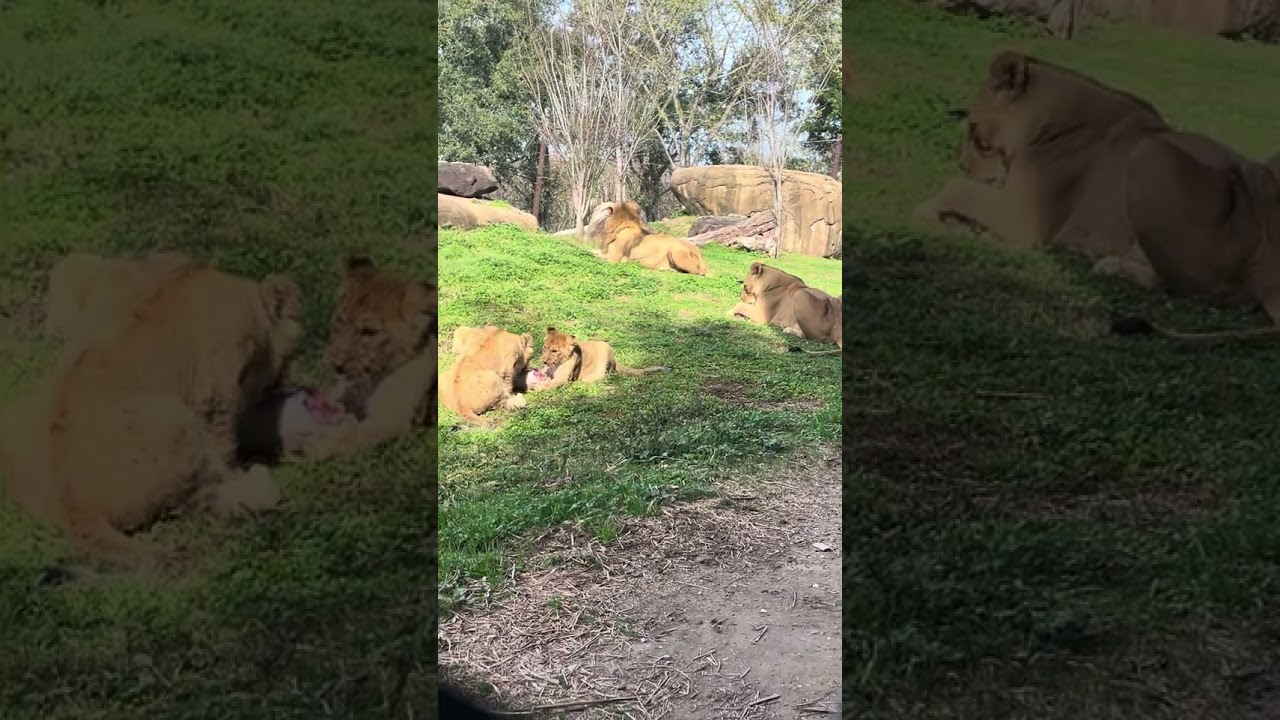
Bone Day is an exciting event that captivates both the audience and the lion pride. For veterinary staff and zookeepers, it’s more than just another meal; it is an opportunity to provide nutrition, enforce species-specific diets, and observe natural behaviors among lions. This article provides an in-depth look at this celebratory day and the broader concepts of lion care, conservation, and the educational mission behind it.
Big cats require diets that reflect their carnivorous nature and evolutionary adaptations. Lions, in particular, are apex predators and thrive on a variety of prey found in their natural habitats. In zoological settings, understanding the nutritional needs of these majestic animals is vital. They require a balance of protein, fat, vitamins, and minerals to thrive. Zookeepers monitor the diet closely, paying attention to the age, health, and activity levels of each lion. Consequently, Bone Day is designed to provide not just sustenance but essential nutrients, often incorporating bones that contain marrow and other important elements for bone health.
Bone Day usually occurs once a week at facilities that house featured lion prides. The event is not merely a chance to feed; it allows lions to engage in their natural scavenging behaviors. Lions would typically take down large herbivores in the wild and consume every part of the animal, including bones. Providing bones grants them the ability to chew, gnaw, and exert their jaw muscles, mimicking behaviors seen in wild populations. For keepers, it’s vital to observe how animals interact with their food. This also yields valuable insights into their health and social dynamics, making Bone Day an essential aspect of lion management.
When Bone Day rolls around, the lion pride exhibits behaviors that are typical of their social structure. Lions are known for their familial units, characterized by a pride led by a dominant male and several related females, along with their young cubs. During feeding, the dynamics of this structure become apparent. Social hierarchies influence the way food is shared among pride members. Dominant lions often feed first, with subordinates waiting their turn and sometimes displaying appeasement behaviors to stave off conflict. Observing these interactions offers invaluable information about behavioral patterns that can inform both care practices and educational programming.
In terms of conservation, Bone Day serves a dual purpose. Lions are classified as vulnerable due to habitat loss and human-wildlife conflict. Zoos play a pivotal role in conservation efforts. They contribute to breeding programs that help maintain genetic diversity, particularly for subspecies at risk. Educating the public about lion conservation is equally critical. Events like Bone Day generate excitement and lead to meaningful discussions on the threats lions face, including poaching and environmental changes. Through these efforts, zoos not only provide habitats for lions but also inspire visitors to engage in conservation and advocacy.
Public engagement is another crucial component of the Bone Day experience. Educational signage and presentations by zookeepers give visitors insight into the nutritional needs of lions. Interactive elements, such as feeding demonstrations, enrich the experience. As spectators watch lions engage with their meal, they develop a deeper appreciation for wildlife. Understanding lion behavior encourages empathy and action toward conservation efforts. Zoos can create impactful experiences that resonate with people, turning curiosity into advocacy.
In summary, Bone Day is an event that signifies more than just a meal for a pride of lions. It embodies a comprehensive approach to animal care that considers nutrition, social dynamics, behavioral observation, and conservation education. This gathering highlights the importance of knowledge in animal management, demonstrating how simple yet effective practices can contribute to the well-being of animals in captivity. By continually engaging the public, zoos foster an environment of education and compassion toward wildlife, promoting the essential notion of conservation for the future of lions and their habitats.
*****
Source Description
