
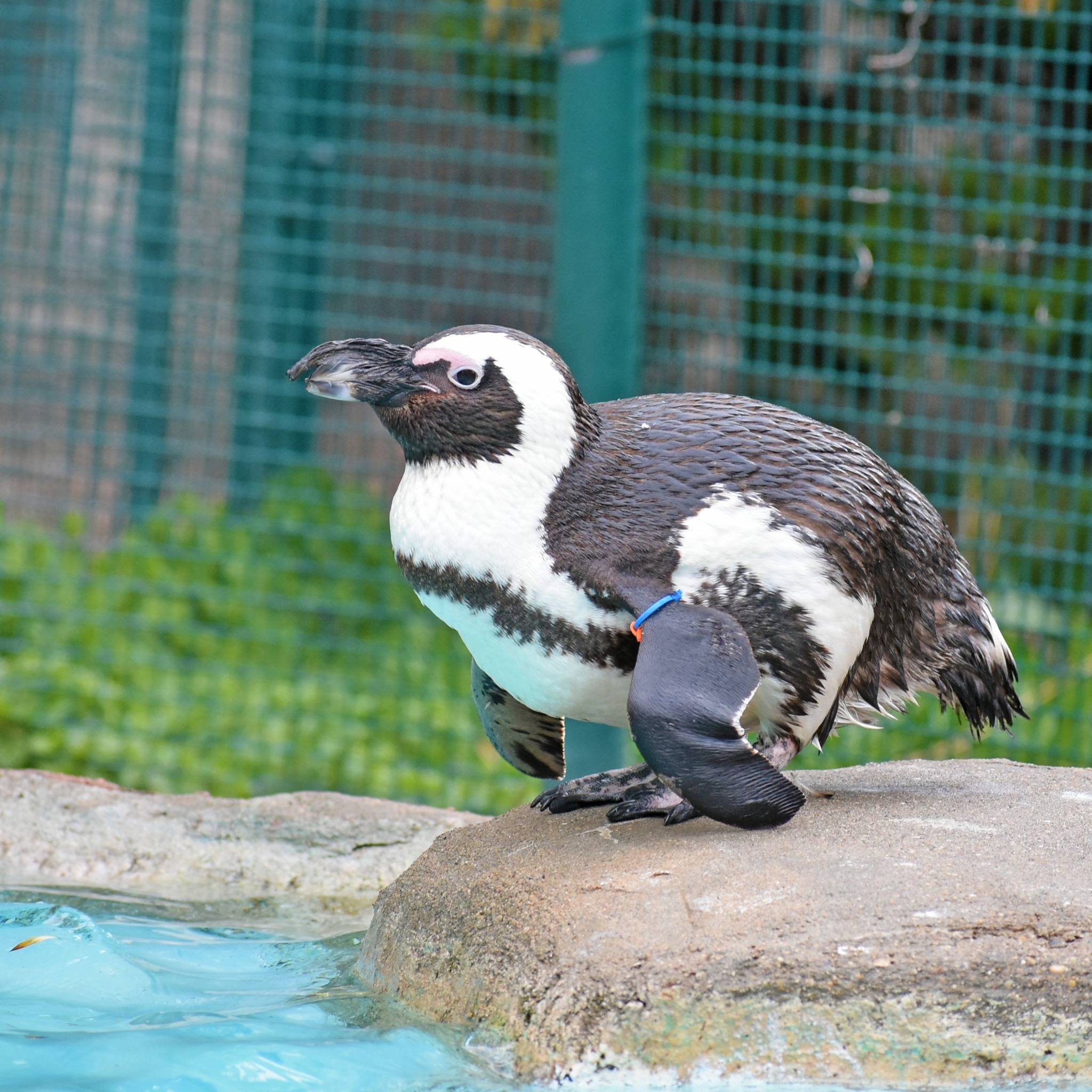
- Biological foundation of penguins, emphasizing their physiological traits.
- The significance of behaviors in preparation for dismounts.
- The role of zookeepers in facilitating and monitoring animal activities.
- Insights into conservation efforts relative to penguins and their habitats.
- The importance of public engagement and education surrounding penguin care.
In our exploration of the captivating life of Dewey, a penguin often seen demonstrating her athleticism during dismounts, we first explore the biological foundation of penguins. Penguins belong to the family Spheniscidae, characterized by their adaptation to aquatic life. They possess a streamlined body that aids in hydrodynamics, allowing them to glide effortlessly through the water. Their wings, modified into flippers, are essential for propulsion, while the dense bones help them remain submerged.
Physiologically, penguins exhibit unique adaptations such as countercurrent heat exchange in their blood vessels. This adaptation conserves body heat in frigid environments. A layer of blubber and tightly packed feathers also acts as insulation, essential for surviving in cold habitats. Dewey, specific in her physicality, embodies these traits, signifying the structural necessities needed for a successful, smooth dismount.
As we observe Dewey preparing for her dismount, we see that her behavior is essential. Prior to a dismount, she engages in specific rituals that demonstrate learned behaviors and instincts. This preparation may involve vocalizations to communicate with other penguins or physical adjustments such as preening and wing flapping. These actions serve multiple purposes. They enhance her readiness and signal to the group her intention to perform a physical act. This social aspect is crucial in penguin communities, which often engage in cooperative behaviors.
The role of zookeepers, especially during dismounts, is multifaceted. Zookeepers are trained professionals who monitor behavior and physical health. They prepare the environment for the animals by ensuring it is safe and conducive to natural behaviors. This involves creating structures that allow for climbing, jumping, and diving—all vital activities for penguins. Zookeepers often conduct behavioral training sessions to encourage exercise and play.
Incorporating enrichment activities can aid in preparing Dewey not only for her dismounts but also to engage her mentally and physically. This can involve introducing objects that mimic prey or safe climbing structures that stimulate her natural instincts. Zookeepers monitor these interactions closely. By assessing behaviors before, during, and after dismounts, they can better understand the animal’s health and stress levels.
Now, focusing on the conservation aspects of penguins brings attention to their habitats and the challenges they face. Many penguin species are threatened or endangered. Climate change, oil spills, and habitat degradation due to human activities are critical factors affecting their survival. Increasing awareness and promoting positive actions are central to their conservation.
Organizations dedicated to wildlife conservation are actively involved in educating the public about the importance of protecting penguin habitats. They advocate for sustainable practices, wildlife corridors, and marine reserves to safeguard these species. Engaging audiences through interactive programs about Dewey and her peers can inspire compassion and stewardship for wildlife and their ecosystems.
Additionally, public engagement plays a vital role in fostering a connection between visitors and the animals they observe. Programs that showcase how penguins, like Dewey, prepare for dismounts not only entertain but inform. These encounters can leave a lasting impact, motivating individuals to participate in conservation efforts. When the public sees the commitment of zookeepers to animal care and education, they are more likely to support conservation initiatives.
To delve deeper into Dewey’s preparation routine before her dismount, one must recognize the finely-tuned muscle coordination involved. Penguins exhibit excellent balance, which is crucial for their aerial performances. This involves strong leg muscles and precise control over their wings. Dewey’s ability to execute a successful dismount is representative of the physical prowess that penguins have adapted over millions of years.
Moreover, hydration and nutrition are essential components that affect her overall performance. Zookeepers are diligent in ensuring that Dewey receives a balanced diet rich in nutrients necessary for maintaining her energy and muscle strength. Fish is a primary example of her diet, providing essential fatty acids and proteins. Observations of Dewey’s feeding habits can inform caregivers whether she is maintaining a healthy weight, which directly impacts her ability to perform physical tasks like dismounts.
Looking at socio-environmental factors, we observe a remarkable aspect of flock behavior among penguins. The social interactions that occur prior to Dewey’s dismount are crucial. Male and female penguins often engage in synchronized movements, which can serve to reinforce social bonds and communal group dynamics. Research indicates that penguins exhibit a higher success rate in activities when closely monitored or encouraged by peers. This suggests that Dewey’s performance may be as much about social elements as it is about physical preparation.
Zookeepers recognize the importance of these social dynamics and often promote them in controlled settings. By allowing penguins to interact with each other and engage in natural behaviors, zookeepers help reinforce activities that athletes like Dewey thrive on. Observing how these social structures play out gives insight into the cooperative strategies penguins utilize in their natural habitats, making their lives more resilient to environmental changes.
The efforts of zookeepers would be incomplete without emphasizing the importance of research. Ongoing studies focus on penguin physiology, behavior, and ecology. This research helps streamline care practices within zoos and contributes to conservation strategies. Information gathered through behavioral studies aids in formulating the best care for penguins in captivity, ultimately influencing conservation practices in their natural environments.
Furthermore, habitat preservation efforts are increasingly informed by data obtained through observations in zoos. Understanding how Dewey and her species interact with their environment contributes to broader initiatives aimed at protecting delicate ecosystems. Such insights also lead to policy changes that improve regulations concerning fishing practices, plastic usage, and oil drilling—all actions that could have detrimental impacts on penguin populations.
Educational programs that highlight the intricate relationships between penguins and their environment can empower the public. Engaging storytelling combined with scientific data presents an effective method to foster empathy. Knowing that Dewey and other penguins are facing substantial challenges helps audiences become better advocates for environmental policies. These programs create fierce defenders of wildlife, committed to making informed choices regarding their ecological footprint.
Encouraging sustainable habits goes a long way in addressing the threats penguins face. Simple actions like reducing plastic consumption, participating in beach clean-ups, and advocating for local conservation initiatives can have significant ripple effects. Education around these actions is crucial, emphasizing that individual efforts collectively contribute to the protection of species like Dewey.
In the larger context of marine conservation, penguins serve as important indicators of ocean health. Their populations can reflect the state of marine ecosystems. Therefore, research in zoos provides valuable insights that extend beyond the walls of the institution. When visitors gain exposure to Dewey’s story, they also understand the significant role she plays in communicating broader environmental issues.
Throughout this informative narrative, Dewey has represented not just a single bird but a myriad of conservation messages, highlighting the importance of animal behavior, veterinary care, and environmental stewardship. Observing her unique preparation for dismounts not only captivates audiences but also serves as an educational opportunity that furthers the mission of wildlife conservation. When Dewey leaps into the air, she does so as a beacon for wildlife protection, demonstrating the beauty of her species while reminding us all of our shared responsibility to care for the planet.
*****
Source Description
🐧 Dewey preparing for her dismount…
.
.
.
