
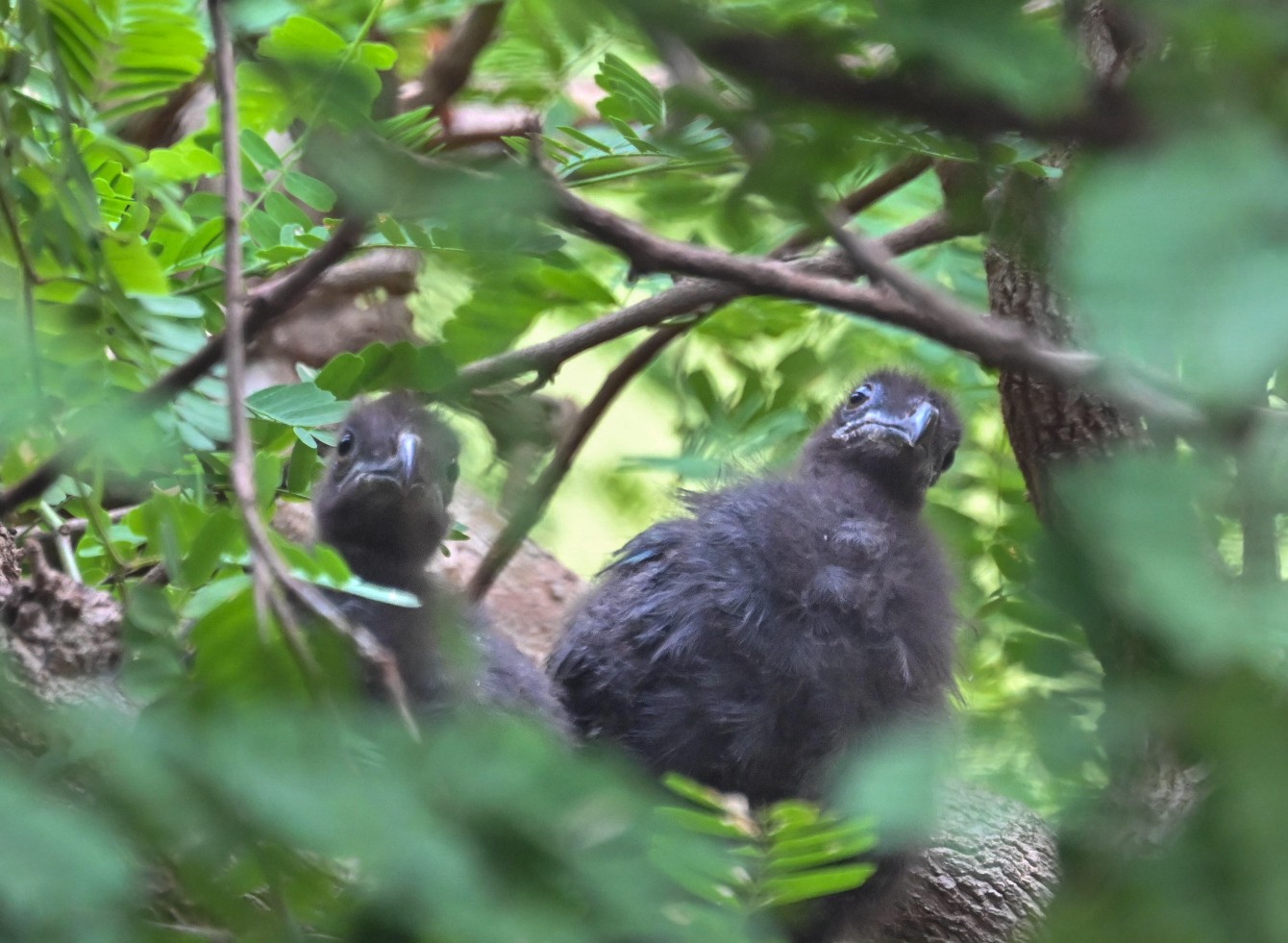
- Introduction to Red-crested Turacos and their habitat
- The significance of July 4 for the new chicks
- Life cycle and developmental stages of Red-crested Turaco chicks
- Importance of conservation efforts in avian wildlife
- Visitor engagement and experience in the Dan Moran Aviary
The Red-crested Turaco (Tauraco erythrolophus) is an eye-catching bird native to the forests and wetlands of West and Central Africa. These birds are notable for their striking plumage, which features vibrant green feathers and a distinctive red crest on their heads. The combination of hues not only captures attention but also plays a crucial role in attracting potential mates and warning off predators. Red-crested Turacos are primarily frugivorous, feeding on fruits, seeds, and flowers. Their specialized abilities allow them to thrive in dense foliage, where their colors blend into the lush environment, making them harder targets for predators.
Born on July 4, the two newest members of the Dan Moran Aviary are something special. The symbolic importance of this date—celebrated as Independence Day in the United States—adds an additional layer of excitement to their birth. This holiday represents freedom and new beginnings, mirroring the journey of these young Turacos as they transition from nestlings to independent fledglings. Visitors to the aviary can now observe how these birds behave independently while still under the watchful eye of their dedicated parents. Such events reinforce the connection between nature and significant societal milestones.
The developmental stages of Red-crested Turaco chicks are fascinating. These birds hatch from eggs after a typical incubation period of about 23 days. Initially, the chicks are altricial, which means they are born blind, naked, and completely dependent on their parents for food and warmth. Over the first few weeks, they rapidly develop, gaining feathers and beginning to explore their surroundings. This fledging stage is critical; it marks the transition where they learn to fly and forage independently. By the time they leave the nest, they are equipped with the skills necessary for survival in their native environments, although they often stay close to their parents for some time afterward.
Conservation for species like the Red-crested Turaco is vital. Natural habitats face threats from deforestation, urban expansion, and hunting, placing these birds at risk. In recent years, efforts toward conservation have gained increasing recognition, emphasizing habitat protection as a key strategy. Organizations dedicated to avian welfare work tirelessly to promote breeding programs, akin to what we see at the Dan Moran Aviary, to bolster populations in the wild. Collaboration with local communities is equally essential; raising awareness and fostering respect for wildlife can lead to more sustainable practices. Conservation extends beyond protecting established species; it involves actively engaging in reforestation efforts and maintaining biodiversity within ecosystems.
Visiting the Dan Moran Aviary provides an excellent opportunity for the public to engage with these incredible creatures and learn more about their importance in the ecosystem. The design of the aviary focuses on replicating their natural habitat as closely as possible, allowing visitors to observe the behaviors of Red-crested Turaco adults and their chicks in a controlled yet authentic environment. Educators and zookeepers play a crucial role in this experience, offering insights about the birds’ behaviors, diets, and social structures. Interactive displays and presentations can deepen understanding of avian conservation, making the experience both educational and enjoyable for all ages.
The role of birds like the Red-crested Turaco extends beyond their vibrant appearance. As seed dispersers, they help maintain the health of their ecosystems, promoting forest regeneration. Their presence indicates a thriving habitat capable of supporting diverse flora and fauna. Engaging with projects focusing on the preservation of such species benefits not only the birds but also the broader environment regarding climate stability and biodiversity.
Visitors interested in spotting the new Turaco chicks will need to be patient and observant. The fledglings are agile and curious, but they also understand the importance of camouflage in avoiding predators. As they explore the aviary’s environment, they exhibit behaviors such as hopping and climbing, testing their wings more each day. The opportunity to witness this adaptive behavior offers insights into avian life that might not be evident otherwise.
As part of larger educational initiatives, the Dan Moran Aviary hosts programs aimed at fostering a connection between people and wildlife. By providing educational resources related to the Red-crested Turaco, attendees are empowered to take an active role in conservation. This can mean participating in local habitat restoration projects or adopting sustainable practices at home. Encouraging community involvement creates a ripple effect, raising awareness that carries beyond the aviary’s walls.
The sense of excitement surrounding the birth of these chicks showcases the dynamic and hopeful future for Red-crested Turacos at the zoo and in the wild. By highlighting avian breeding and care, the zoo exemplifies its commitment to the ongoing protection and racing for wildlife conservation. Although these goals can seem challenging, fostering public interest in such species often leads to successful conservation outcomes.
Moreover, the Red-crested Turaco represents a broader narrative in avian conservation, illustrating the vital role zoos play in preserving species that may be threatened in their natural habitats. Whether through educational outreach, breeding programs, or habitat restoration initiatives, the zoo community is integral in maintaining biodiversity. By focusing efforts on lesser-known species, such as the Red-crested Turaco, awareness is raised about the diversity and importance of bird populations worldwide.
Understanding the intricacies of bird ecology and behavior can benefit everyone, from casual visitors to dedicated ornithologists. Informative pathways, displays, and educational talks offered at the aviary allow guests to explore these themes deeply, leaving them with memorable experiences and knowledge gained. Learning about aviary life encourages respect for wildlife, motivating individuals to advocate for better environmental practices both locally and globally.
The excitement surrounding the arrival of the Red-crested Turaco chicks serves as a reminder of both the fragility of ecosystems and the resilience of life. By taking steps to protect and educate visitors about such species, the zoo enhances awareness of avian conservation. Observations of their growth and development foster a deeper understanding of avian ecology and highlight the interconnectedness of all species within the ecosystem. The arrival of these new feathered ambassadors underscores a collective responsibility to protect our natural heritage and foster a sustainable future for all wildlife.
Enthusiasts visiting the Dan Moran Aviary can look forward to more educational programs focusing on similar species, paving the way for ongoing engagement with wildlife conservation efforts. Through collaboration, community involvement, and a commitment to education, we can work towards a brighter future for Red-crested Turacos and other avian species alike. This endeavor requires ongoing support and curiosity from the general public, who play a pivotal role in conservation efforts. The new chicks serve as a symbol of hope and a reminder of our interconnectedness with nature.
*****
Source Description
Please welcome the Zoo’s newest feathered ambassadors, two Red-crested Turaco chicks!
Born on Independence Day, July 4, these two chicks fully fledged, or left the nest, just a few weeks ago! Next time you’re in Dan Moran Aviary, see if you can spot these little fledglings or their parents.
📷: Dr. Jennifer D.
