
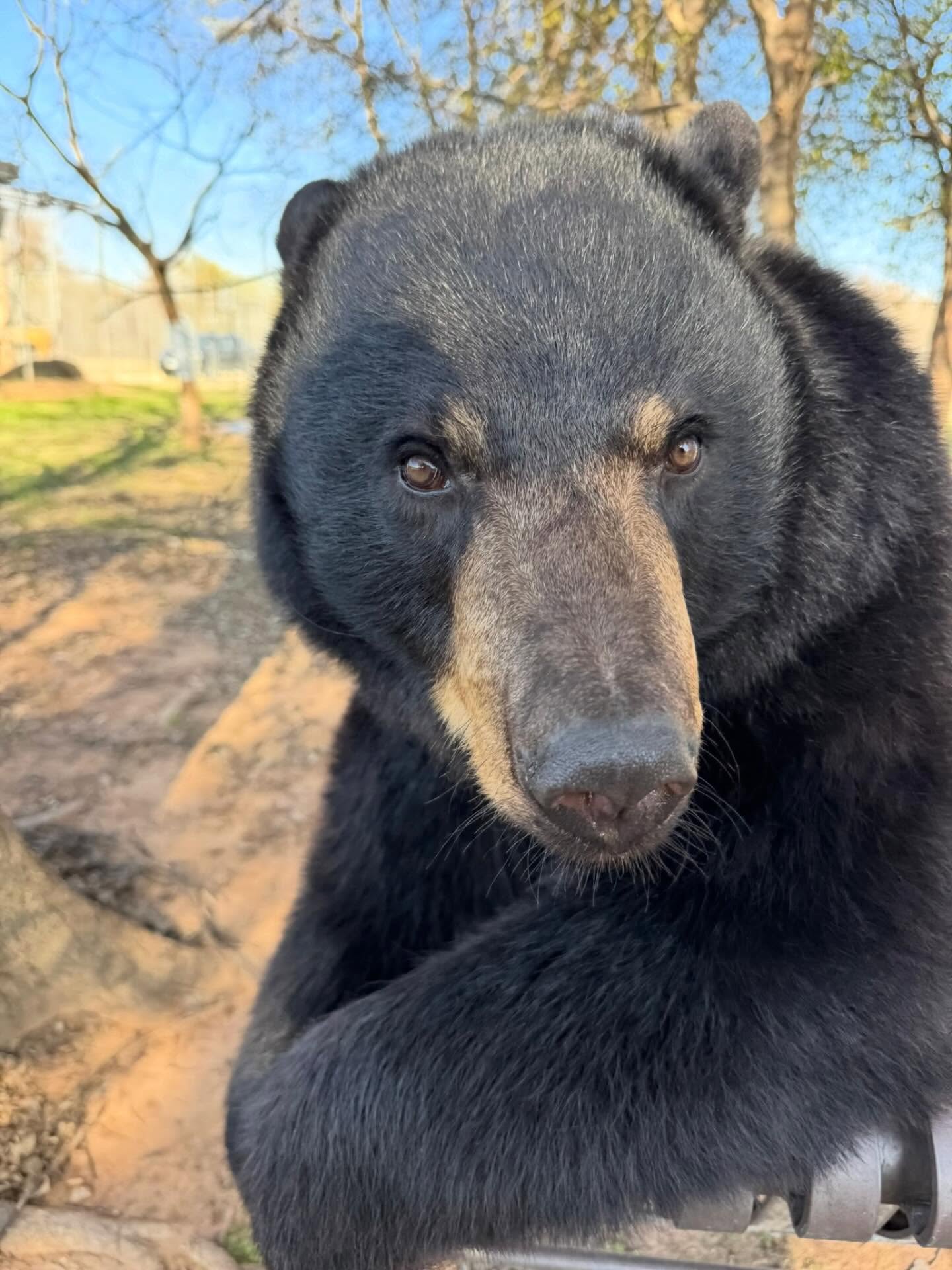
- The concept of día vibes and its relation to animal behavior.
- The role of zoos in promoting día vibes for visitors and wildlife.
- The importance of wildlife conservation in enhancing día vibes.
- The impact of environmental education on community engagement.
- Practical initiatives for fostering día vibes in zoos and wildlife parks.
Día vibes refer to the enriching sensations and emotional states that emerge from engaging with wildlife, nature, and educational experiences. This connection fosters a sense of joy, wonder, and harmony, both for visitors and the animals themselves. Understanding día vibes involves recognizing how animals display behavior that resonates with our emotions and how these interactions can lead to a greater appreciation for biodiversity.
Animal behavior is crucial to understanding día vibes. Animals use various signals, including vocalizations, body language, and even coloration, to communicate and interact with their environment. For instance, the playful antics of otters or the engaging vocalizations of a howler monkey can evoke feelings of joy and curiosity in visitors. These interactions are essential as they promote eye-catching displays that capture attention and elicit emotional responses. Zoos utilize training techniques that encourage natural behaviors. These techniques allow animals to be more expressive, creating memorable experiences for visitors. Such encounters amplify the vibes by igniting emotional connections that resonate long after a visit.
Zoos are pivotal in the creation of día vibes. They serve as a bridge between wildlife and the human experience. Many zoos have adopted an educational approach that not only showcases animals but also emphasizes the conservation of their habitats. Creating immersive experiences for guests is increasingly important. Exhibits mimic natural environments, allowing visitors to understand the challenges wildlife faces in the wild. This fosters a deeper connection and enriches the visitor experience, enhancing día vibes.
A well-designed zoo space offers varied sensory experiences. The sights, sounds, and smells of naturalistic exhibits draw people into the lives of animals. For example, bird aviaries featuring vibrant flora and diverse audio from chirping species create an atmosphere filled with life. This not only captivates guests but also educates them about the importance of preserving such habitats. The emotional responses elicited through these encounters amplify respect for wildlife.
Wildlife conservation is an essential part of sustaining not just individual species, but the emotional connection people have with nature. Many species are threatened or endangered due to habitat loss, poaching, and climate change. Conservation programs supported by zoos provide crucial resources for research and rehabilitation of these animals. For instance, the successful breeding programs for species like the California condor demonstrate how zoos can contribute significantly to recovery efforts.
Visiting a zoo or wildlife park can raise awareness about these challenges while fostering empathy for the animals faced with these issues. As guests become informed about the plight of endangered species, their emotional connection deepens. This connection magnifies the vibes, leading individuals to engage more actively in conservation efforts. The synergy between wildlife and human interactions creates a ripple effect. When visitors leave with a sense of duty towards conservation, they share this knowledge with their communities, further enhancing societal commitment to protecting natural habitats.
Environmental education is a cornerstone of fostering día vibes. Zoos have become educational hubs that serve diverse audiences, catering to school groups, families, and community members. Educational programs invite guests to learn about species, ecosystems, and conservation strategies. These programs often highlight the interconnectedness between life forms, illustrating how the loss of one species impacts the entire environment.
Such initiatives inspire people to take personal action. Much of environmental stewardship begins at an individual level, amplified by education and emotional engagement. Programs that promote citizen science, where visitors can contribute to real research, embed a sense of agency and connection. When individuals feel empowered and knowledgeable, their eagerness to advocate for wildlife issues can grow.
Zoos employ various strategies to increase community engagement and human-wildlife interactions. Hosting events like “zookeeper for a day” or evening walks allows guests to experience behind-the-scenes activities. These programs nurture connections, expanding understanding of animal care and behavior that aligns with día vibes. Social media efforts also serve to engage audiences, offering insights into animal behaviors that pique interest and prompt discussions online.
Practical initiatives can further enhance the día vibes within wildlife parks. Offering interactive exhibits, such as touch tanks or feeding opportunities, creates pathways for enrichment and learning. Additionally, nature trails lined with educational signage guide visitors through the importance of preserving native species and ecosystems. Engaging storytelling is vital; the narratives behind species’ conservation stories allow emotional connections to flourish.
Furthermore, collaboration between zoos and conservation organizations is essential for creating impactful experiences. Partnerships can facilitate greater research efforts, provide opportunities for wildlife rehabilitation, or enhance habitat restoration initiatives. Educational workshops led by conservationists further inspire the public to support local preservation efforts.
Innovative programs can bring diverse communities together. Initiatives that encourage participation from underrepresented groups can foster a sense of belonging and connection through shared experiences with nature. These outreach efforts ensure wider participation in conservation activities, enhancing día vibes across different demographics.
Technology has also contributed to enhancing día vibes. Virtual reality experiences, for example, allow visitors to “experience” the habitats of endangered species. These immersive technologies further captivate audiences, making the urgency of conservation more palpable. They can convey the aesthetic, emotional, and ecological values of maintaining biodiversity.
Fostering día vibes must always center on respect and care for wildlife, promoting responsible tourism and engaging visitors in stewardship. The emotional connections and lessons learned should drive a collective responsibility towards protecting natural environments. Every action taken can contribute to a larger movement of wildlife conservation and biodiversity appreciation.
The journey towards enhancing día vibes continues as zoos update their practices and policies to reflect current conservation needs. Dedicated zoos strive towards building ecosystems where humans and wildlife can coexist harmoniously. Education, conservation, and emotional engagement work synergistically to promote a future where both animals and people thrive.
Día vibes transcend mere enjoyment; they seed a long-lasting commitment to wildlife conservation efforts. Engaging with animals and understanding their virtues produces not just momentary joy but can lead to sustained advocacy for environmental issues. The emotional resonance created by these experiences facilitates a more profound appreciation for ecosystems.
Incorporating initiatives that prioritize wildlife welfare alongside visitor experiences is vital. Responsible management in zoos must ensure that animals receive adequate care and enrichment while enabling visitors to connect responsibly. This balance is essential for fostering a sustainable relationship between wildlife and admirers, further empowering conservation efforts.
Lastly, as biodiversity faces unprecedented pressures, nurturing a culture of conservation through rich and dynamic experiences becomes more crucial. Día vibes reflect our shared duties towards preserving the planet’s magic. Through education, emotional engagement, and responsible stewardship, each visitor can become an advocate for wildlife, enhancing the collective mission of conservation for future generations. Bots, conservationists, and communities must work synergistically to create a future that prioritizes both human experience and animal welfare.
*****
Source Description
día vibes🫧✨🎶
