
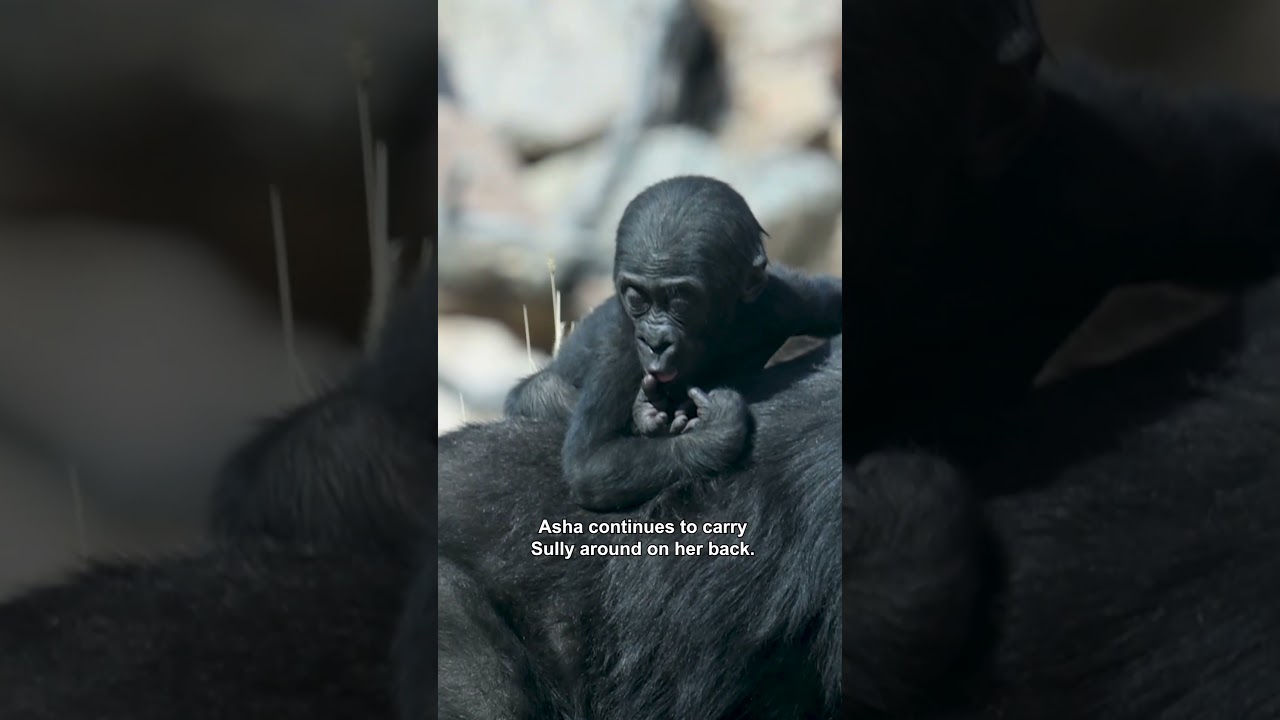
- Detailed development of Sully at 8 months and its significance in zoology.
- Exploration of zoo management practices for growing animals like Sully.
- Insights into wildlife conservation efforts and challenges.
- Understanding the ecological role and behaviors seen in adventurous young animals.
- The importance of public engagement and education in wildlife conservation.
At 8 months old, Sully is an intriguing subject for zoological study, showcasing the typical growth milestones and behavioral changes in young animals. Observing its development offers valuable insights into mammalian growth patterns, social behaviors, and instinctual adaptations. Young animals like Sully undergo rapid physical changes, developing muscle tone, improving coordination, and expanding their range of exploration. This period is crucial for the learning of survival skills, such as foraging and social interaction, acquired through play and interaction with its environment.
In zoo settings, managing the growth and welfare of animals like Sully requires a blend of scientific understanding and practical application. Animal care professionals devise specialized diets to meet the nutritional needs of young, developing animals. The composition of these diets is based on research into the natural dietary requirements and digestive processes of each species. Providing age-appropriate enrichment activities is also critical to stimulate physical and mental development. Enrichment activities range from simple physical exercises to complex problem-solving tasks that mimic challenges animals might face in the wild.
Wildlife conservation efforts are intimately connected to the lives of young animals like Sully, emphasizing the importance of protecting diverse ecosystems to foster healthy population growth. Conservationists work to ensure that both natural habitats and the animals within them are preserved from threats such as habitat loss, climate change, and poaching. Educational outreach is an essential part of conservation, where zoos play a pivotal role. By engaging the public with informative and interactive experiences, they inspire support for conservation initiatives and foster a deeper appreciation of biodiversity.
The ecological role of young animals is significant. As they explore and learn, they contribute to the dynamic processes within their ecosystems. For instance, their foraging activities can aid in seed dispersal, while their play behaviors can help maintain social hierarchies within groups. Understanding these interactions is vital for scientists seeking to comprehend broader ecological patterns and the ways individual species contribute to ecosystem health.
Engaging with the public is vital for successful wildlife conservation efforts. Zoos act as portals for education, offering visitors a chance to connect with animals like Sully in ways that are both educational and inspiring. By presenting animals in lifelike habitats and facilitating educational programs, zoos enhance public awareness and reinforce the message of conservation urgency. This connection fosters a sense of responsibility and motivates action to protect wildlife and habitats.
In conclusion, the growth and exploration of animals like Sully at 8 months serve as a microcosm of larger ecological and conservation themes. Through detailed study and dedicated zoo management, along with effective public engagement, we deepen our understanding of biodiversity and reinforce efforts to conserve it.
*****
Source Description
