
- The significance of understanding animal behavior in the context of holiday celebrations.
- An examination of the social dynamics within animal interactions during festive times.
- Insights into how zoo management can adapt to seasonal changes and visitor expectations.
- The role of wildlife conservation in promoting awareness during festive seasons.
- Strategies for educating the public on responsible wildlife engagement during holidays.
Understanding animal behavior is essential when considering the dynamic interactions that occur within zoos, especially during significant cultural celebrations like Christmas. Animals are sensitive to shifts in their environment, including changes in visitor behavior, noise levels, and overall ambiance created by seasonal decorations. This awareness can lead to altered behaviors, which may reflect their responses to heightened activity or a different atmosphere. Observing these changes provides valuable insights into the needs of animals in captivity and can inform better management practices in zoos.
When social dynamics change within animal groups, the interactions can become more pronounced during holidays. Increased human presence often shifts how animals perceive their surroundings. For instance, animals may become more reclusive or, conversely, more active and curious. Notably, animals that typically exhibit solitary behavior may interact more with conspecifics due to excitement or curiosity about new stimuli. Understanding these interactions helps zookeepers provide enriching environments that accommodate both the animals’ welfare and their natural behaviors.
Zoo management has the critical task of considering seasonal changes and visitor expectations. Seasonal events often attract larger crowds, which can lead to stress for some animals. The implementation of effective management strategies, such as providing quiet zones or enhanced hiding spots, is essential. Education programs can prepare zoo visitors to understand animal behavior better, emphasizing that while they are celebrating, the zoo inhabitants may experience their own challenges.
Wildlife conservation plays a paramount role during festive seasons. The heightened focus on family and community often translates into increased interest in wildlife. Zoos have the opportunity to use this interest to promote awareness of wildlife issues, including habitat destruction and species preservation. By incorporating education initiatives around these times, zoos can convert curiosity into action, encouraging patrons to support conservation efforts, whether through donations or advocacy.
Education is crucial for promoting responsible wildlife engagement during holidays. Visitors may find themselves compelled to take part in activities that increase their interaction with animals, whether by attending special events or through merchandise purchases. Educating the public about how to respect animal spaces is vital. Informational signage and interactive displays can serve as effective tools to facilitate this understanding.
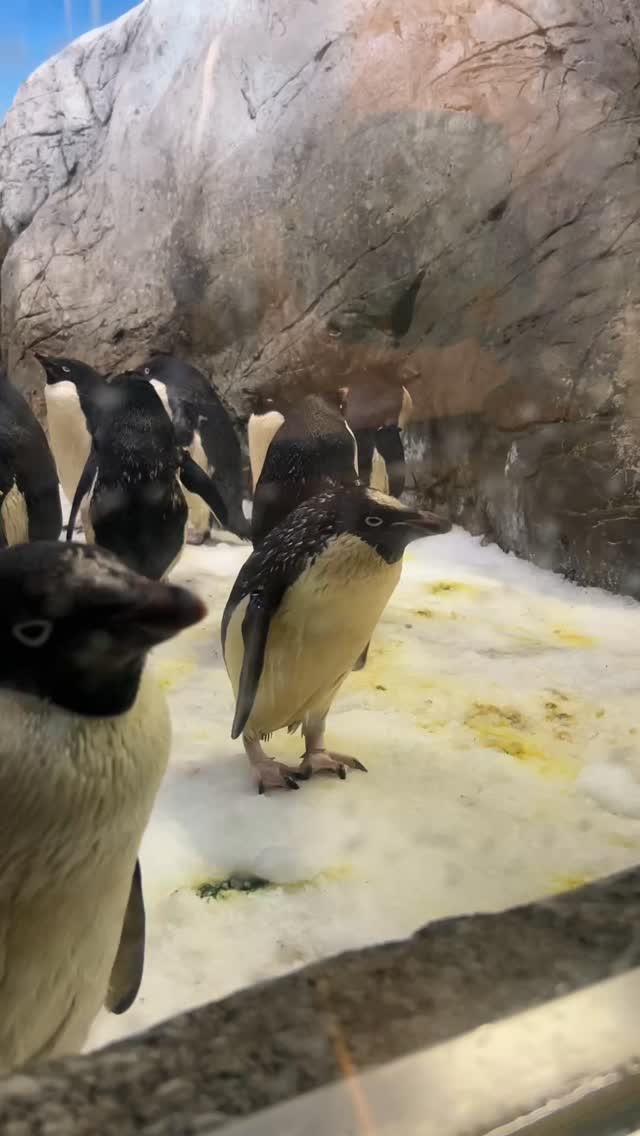
As we explore the topic of animal awareness during significant cultural events, the question arises: “Do you think he understood that Christmas was yesterday?” This query invites observers to engage with the animals’ perspectives. While anthropomorphizing animal thought processes can lead to misconceptions, it’s essential to recognize their capacity for awareness and environmental responsiveness. Animals may not recognize human holidays as we do, but they certainly react to the changes created by those celebrations.
For instance, researchers have documented instances where animals react to the increased sounds associated with holiday celebrations. Zoo staff can observe animals exhibiting signs of stress or curiosity in response to visitors enjoying holiday festivities. Understanding these reactions equips caretakers with the information needed to create optimal conditions for animal welfare, especially during peak visitation times.
Fostering an environment that promotes animal welfare during holiday seasons involves striking a balance. While it is important to create festive experiences for visitors, equipping staff with techniques to reduce animal stress must also be a priority. This equilibrium can be achieved through comprehensive animal behavior studies, enabling zookeepers to adapt their strategies in real-time as they observe how their charges respond to the influx of holiday revelers.
In addition, season-specific enrichment activities can help mitigate potential disturbances during the holiday season. These activities may include providing animals with seasonal treats or sensory objects that stimulate natural behaviors, thus distracting them from the external stimuli generated by visitors. Engaging the animals using naturalistic behaviors promotes mental stimulation and encourages their physical activity, enhancing their overall well-being.
Zoo management should also consider the role of technology in enhancing visitor engagement while respecting animal needs. Innovations such as virtual events or behind-the-scenes tours can be valuable tools for connecting visitors with animals without overwhelming them during busy seasons. By employing thoughtful strategies, zoos can capitalize on the increased foot traffic while safeguarding animal welfare.
The connection between holiday engagement and wildlife conservation cannot be understated. Many zoos use festive seasons to introduce educational campaigns highlighting endangered species or ongoing conservation efforts. By showcasing specific species, zoos can inspire patrons to take action in their daily lives, from supporting sustainable practices to advocating for wildlife-friendly policies.
Using targeted messaging, zoos can emphasize the interconnectedness of festive cheer and wildlife health. Seasonal campaigns can inform patrons about the importance of biodiversity and how our actions impact wildlife globally. Such engagement is crucial for fostering a sense of responsibility towards the environment while instilling a deeper appreciation for the animal world.
Public awareness during holidays presents an excellent opportunity to share information about species native to the zoo’s region, emphasizing local conservation efforts. Programs might focus on how climate change and habitat loss affect local wildlife populations, thus personalizing the conservation message. By making these connections, zoos can encourage visitors to reflect on their environmental impact and promote stewardship in their personal lives.
Several strategies can enhance the educational component during holiday events at zoos. Providing informational workshops and guided tours focusing on specific species during peak visitation times is one way to engage with the public. Another potential strategy is to develop interactive exhibits where guests can learn and participate in conservation discussions. Utilizing technology such as mobile apps can also facilitate instant learning opportunities, allowing guests to access information at their convenience.
Additionally, highlighting successful conservation narratives can further inspire public participation. Sharing stories of rescued animals or successful breeding programs can motivate visitors to become more involved with their local zoo, elevating their commitment to wildlife conservation. Emphasizing the role of zoos as custodians of endangered species reinforces the importance of supporting these efforts and underlines the significance of responsible wildlife engagement.
Great care must be taken when encouraging engagement between visitors and animals. Providing clear guidelines on appropriate behaviors can help mitigate issues that may arise from increased visitor interaction. Educational signage should guide patrons in understanding the dangers of excessive noise, feeding, or any form of stress-induced behavior towards the animals. By promoting responsible interactions, zoos foster healthier environments conducive to both animal welfare and visitor enjoyment.
As we navigate the interplay between animal behavior and cultural celebrations, the question, “Do you think he understood that Christmas was yesterday?” serves as a starting point for deeper discussions on animal awareness. The dialogue can transition into considerations of how human actions and habits impact animal life, encouraging visitors to view their connection to wildlife through a more informed lens.
Effective zoo management during the holiday season should encompass education, conservation, and visitor engagement. By enhancing public awareness about wildlife, promoting responsible behavior, and adapting zoo environments to mitigate stress, these institutions can cultivate a culture of conservation. The collective efforts of management, education, and public engagement pave the way for a progressive approach to wildlife stewardship that resonates beyond the holiday season.
Through these measures, zoos can inspire the public to think critically about their roles as stewards of the environment. Each informed visitor can contribute positively to wildlife conservation, thereby ensuring a brighter future for both animals in captivity and their wild counterparts. For many, it begins with a simple reflection: acknowledgment of the complexities of animal awareness amidst the celebrations that fill our lives.
*****
Source Description
Do you think he understood that Christmas was yesterday? 🎥: gomi62
