
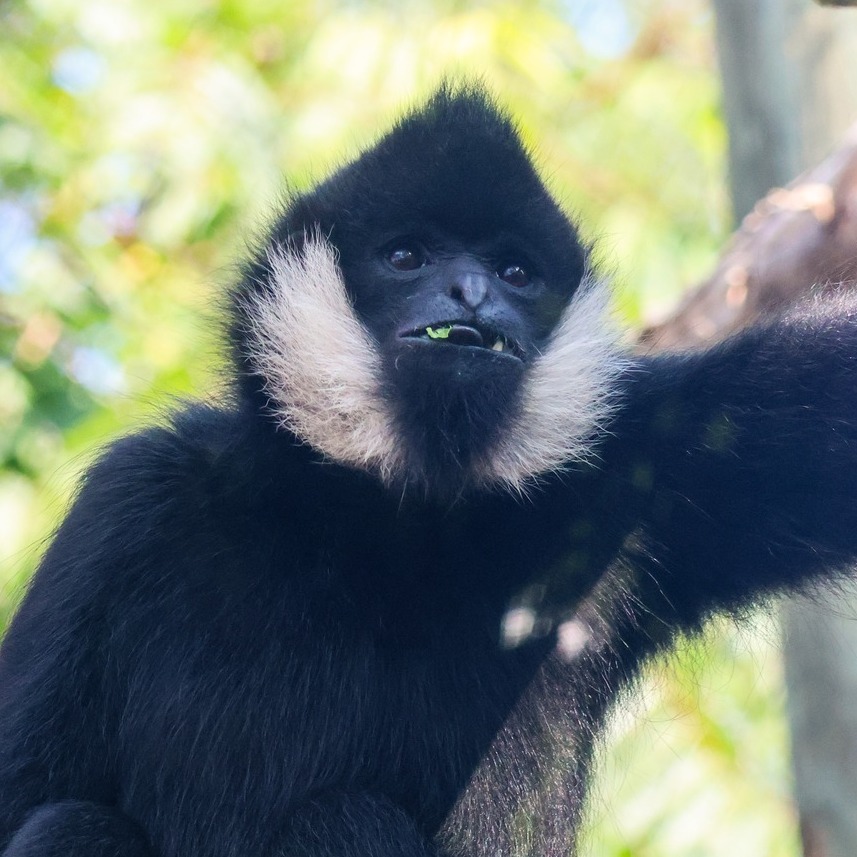
- The significance of Bleptember in animal welfare and conservation efforts.
- Key activities and campaigns associated with Bleptember.
- Engagement strategies to promote wildlife conservation during Bleptember.
- Case studies highlighting successful conservation projects.
- Future implications for conservation efforts inspired by Bleptember.
Bleptember is a spirited month that draws attention to animal welfare and conservation initiatives. It serves as both a campaign and a call to action. The origins of Bleptember can be traced back to organizations aiming to highlight the importance of various species’ survival. The blend of awareness and fundraising efforts makes this month especially impactful. Primarily focusing on blue-colored animals, this theme spotlights the need for conservation efforts for species at risk.
One primary aspect of Bleptember is its emphasis on animal welfare. Many organizations work tirelessly to ensure the safety and well-being of animals, particularly in habitats that are under threat. This month encourages not just donations but also volunteer work to change the dire circumstances faced by many wildlife populations around the globe. The liberties enjoyed by countless animal species are increasingly under threat due to habitat loss, climate change, and human encroachment. Bleptember emphasizes these challenges while urging people to take responsibility for safeguarding animal health and welfare.
Additionally, numerous activities and campaigns gain traction during Bleptember. Many zoos and wildlife centers develop educational programs aimed at informing the public about endangered species. These may include interactive workshops, virtual experiences, and behind-the-scenes tours designed to foster a deeper understanding of conservation issues. Organizations often host fundraising events where participants can contribute financially while engaging in fun and educational activities. These initiatives are not merely aimed at raising money; they also work to foster a connection between the public and wildlife. Engaging activities make it easier for people to understand the pressing ecological issues we face and the necessity of their involvement.
Communication and engagement strategies during Bleptember are crucial for maximizing public access to conservation initiatives. Social media platforms serve as the backbone for these campaigns, amplifying the message far beyond traditional outreach methods. A creative hashtag can go viral and inspire action worldwide. Organizations often employ visuals of adorable or majestic blue-colored animals—such as blue whales or blue poison dart frogs—to attract attention. These images not only capture interest but also evoke emotional responses that can lead to financial support or advocacy efforts.
Another valuable way to promote awareness is through partnerships with local schools, businesses, and communities. Educational programs in schools can focus on the significance of biodiversity and the role each species plays in maintaining ecological balance. Children are typically more enthusiastic about lessons that incorporate hands-on activities. When students participate in conservation efforts, they enrich their understanding of animal behavior, habitat requirements, and the importance of biodiversity. Collaborations with local businesses can also yield mutually beneficial outcomes, allowing enterprises to boost their corporate responsibility profiles while supporting animal conservation.
Real-world success stories often accompany campaigns during Bleptember. Case studies illustrate how grassroots efforts can lead to substantial changes in conservation practices. One noteworthy example includes a community-led initiative focusing on pollinator protection. Through education and grassroot advocacy, the community was able to stop a significant development project that threatened local pollinator habitats. They established a new protected area and engaged local schools and businesses in replanting native flora, leading to a resurgence in the pollinator population. This case is just one of many where community involvement can drive life-changing results for local wildlife.
In recent years, wildlife corridors have gained attention as effective conservation measures. These corridors serve as safe passages for animals migrating between habitats, allowing them to move freely and safely. During Bleptember, many organizations focus on educating the public about the significance of wildlife corridors and how to create them. Case studies from around the world provide insight into successful implementations, showcasing examples where wildlife crossings have reduced roadkill rates and improved animal population connectivity.
The subject of Bleptember extends beyond just a month-long campaign; it encourages a long-term commitment to wildlife conservation. The conversations sparked during this month can lead to long-standing partnerships and sustained activism. As individuals become more educated about the challenges facing wildlife, they often feel compelled to take further action. This commitment can foster future generations of conservationists who are equipped to tackle complex ecological issues.
The repercussions of Bleptember can ripple into various aspects of society. The month serves not only to raise awareness but also to encourage dialogue on how we treat our planet and its inhabitants. Conversations about sustainable practices can lead to changes in consumer habits. Small shifts in public behavior—like supporting local wildlife-friendly businesses or reducing plastic usage—can collectively have a significant impact on conservation efforts.
The economic implications of wildlife conservation projects cannot be ignored either. Healthy ecosystems contribute to a flourishing economy through tourism, agriculture, and sustainable resource management. Organizations advocating for conservation efforts often showcase these economic benefits to help garner support from stakeholders. As communities work together to protect their local environments, they often find new avenues for economic growth that are compatible with conservation goals.
Bleptember also highlights the significance of data collection and research in wildlife conservation. Collecting data on species populations, migration patterns, and habitat usage provides the foundation for informed decision-making. Many initiatives focus on empowering citizen scientists to gather valuable data. This deepens public engagement while providing researchers with critical insights into animal behavior and environmental conditions.
There is power in community engagement as it fosters a sense of collective responsibility. Bleptember encourages community activities that not only focus on awareness but also on actionable steps. People are invited to partake in local clean-ups, tree planting, and habitat restoration projects. These hands-on experiences help individuals directly contribute to their local ecosystems and witness the tangible impact of their efforts.
Studies have shown that when communities engage in conservation activities, they experience positive social outcomes. Greater community cohesion often arises from collaborative projects aimed at restoring local habitats. When families, friends, and neighbors unite towards a common cause, bonds strengthen, and awareness grows.
Looking to the future, the implications of Bleptember are profound. As awareness surrounding endangered species and conservation efforts gains momentum, it paves the way for more focused global initiatives. Larger organizations may branch out to tackle significant challenges like climate change while advocating for policy changes at government levels. The momentum gained from Bleptember can catalyze broader movements focused on biodiversity and animal welfare, emphasizing the interconnectedness of ecosystems and the human role within them.
The involvement of various sectors is crucial to sustaining the energy generated during Bleptember. Advocacy organizations, educational institutions, and private companies must collaborate to maintain attention on these issues. This unity can create an environment where wildlife conservation becomes an integral part of societal values.
Bleptember is not just an event on the calendar but a vital campaign that inspires individuals to examine their roles in wildlife conservation. This month highlights the need for ongoing education, community engagement, and policy advocacy to protect animal species whose future hangs in the balance. The initiatives sparked during Bleptember are essential for building awareness, fostering community engagement, and developing meaningful conservation strategies for the long haul.
*****
Source Description
Did someone say it’s Bleptember? 😛
