
- Weather impact on wildlife and zoo operations
- Effective communication during weather changes
- Strategies for scheduling outdoor events at zoos
- Importance of flexibility in conservation and management
- Engaging the community through rescheduling
Weather significantly affects wildlife and zoo operations. Rain and extreme temperatures can disrupt animal behavior, visitor experiences, and overall zoo activities. Zoos often rely on scheduled outdoor events to engage visitors while showcasing the habitats of various species. However, unfavorable weather conditions can hinder these plans, necessitating changes in scheduling and operations.
When forecasted bad weather approaches, clear communication becomes vital. Zoos must effectively communicate changes in scheduling to avoid confusion. This communication could be in the form of social media updates, emails, or announcements on the zoo’s website. Providing the public with timely information about changes allows for transparency and helps maintain engagement.
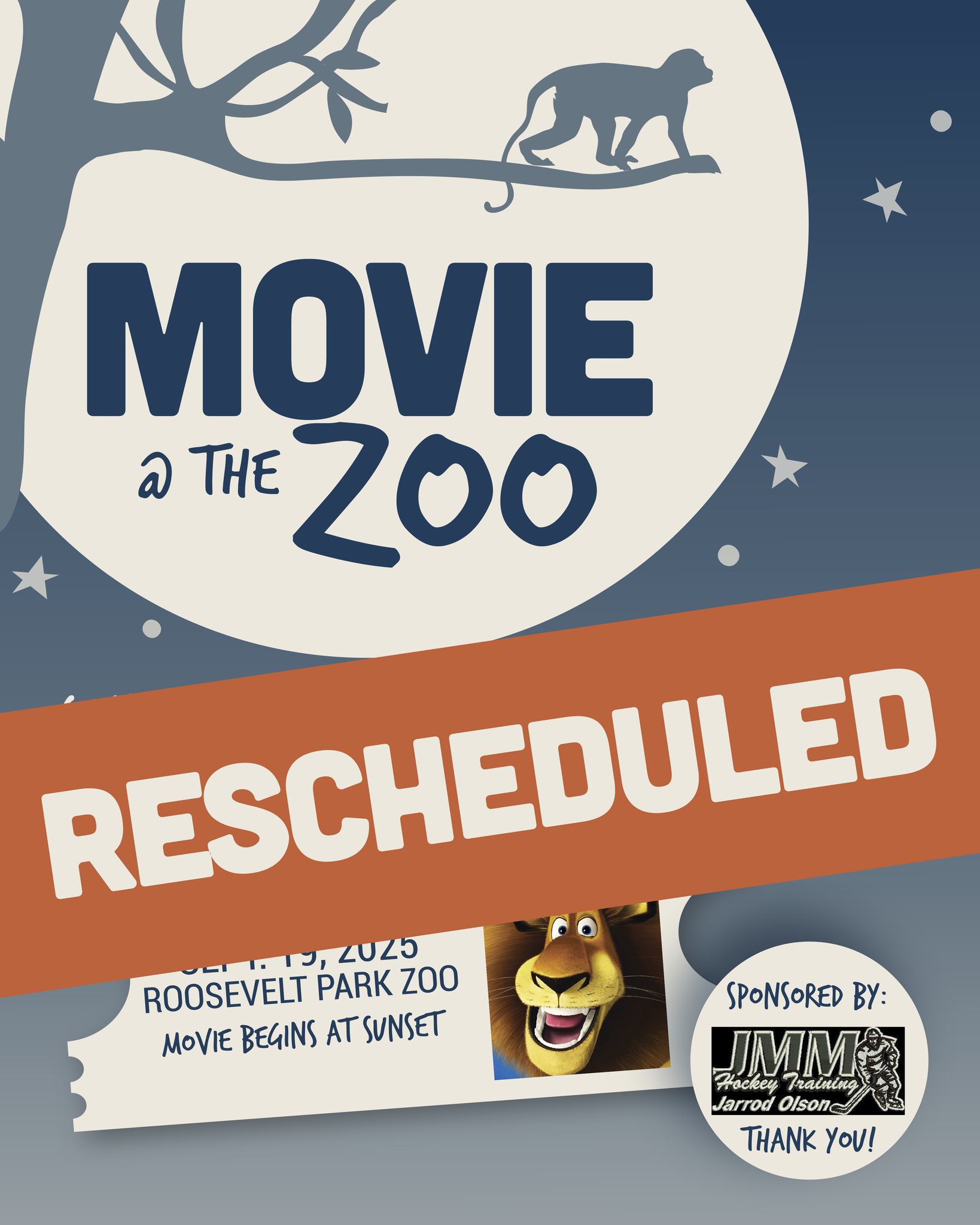
Strategies for scheduling outdoor events, such as movies, are essential. The decision to move an outdoor movie from September 19th to September 26th illustrates this dynamic. Such changes are not trivial; they reflect a commitment to visitor safety and enjoyment. Weather forecasts can be unpredictable, and proactive planning makes a significant difference. Outdoor activities should incorporate contingency plans for adverse weather conditions.
Flexibility is paramount in zoo management and wildlife conservation. The ability to adapt quickly to changes, including weather-related ones, fosters a resilient environment both for zoo staff and visitors. Ethically managing wildlife requires understanding how different factors, such as weather, affect animal welfare and visitor experience. For instance, animals may exhibit unusual behavior during thunderstorms, which could lead to safety hazards if they are not in their designated habitats.
Engaging the community through rescheduling enhances the relationship between the zoo and its visitors. This interaction can foster a sense of belonging and community involvement. Creatively rescheduling events like movie nights provides an opportunity to remind the public about the zoo’s mission and ongoing conservation efforts. By emphasizing community during changes, zoos promote an environment where visitors feel connected to the animals and conservation initiatives.
Weather conditions can complicate daily zoo operations. Animals are sensitive to climatic changes, which can influence their stress levels. Changes in routine due to weather may affect feeding schedules and exhibit conditions, possibly leading to increased anxiety among animals. It is vital for zoo management teams to assess weather forecasts regularly, preparing measures to ensure animal wellness.
Education and awareness of weather patterns can greatly benefit visitors and staff. Zoos often serve as educational institutions, conveying the importance of animals and environmental stewardship. Providing talks or information sessions regarding how weather influences animal habits can enrich visitors’ understanding. For example, discussing how heavy rain affects animal foraging behavior can help connect the dots between weather and wildlife.
Incorporating technology can streamline operations during adverse weather. Modern zoos can leverage weather-related data and analytics for decision-making. This data allows management teams to better understand weather impacts and the likelihood of changes to schedules. Utilizing real-time updates on forecasts can significantly aid in planning.
Enhancing visitor experiences is another crucial aspect of zoos adjusting to weather forecasts. A sudden storm can lead to cancellations, and having a backup plan can keep visitors engaged. Interactive exhibits or indoor activities can serve as alternatives, ensuring that guest experiences remain positive. Offering creative solutions to weather-related disruptions promotes resilience in visitor satisfaction.
Effective weather management also means collaborating with other local organizations, such as emergency services and weather advisory teams. Zoos can work in tandem with local governments to ensure the safety of all involved. Joint efforts can lead to comprehensive plans for handling severe weather, thus safeguarding both wildlife and visitors.
During rescheduling events like outdoor movies, appropriate marketing strategies should be employed. Clear messaging can inform visitors about new dates and any other activities planned. Using visible signs within the zoo can guide attendees, while newsletters can update regular visitors.
Ultimately, the goal of a zoo is to foster an understanding and appreciation of wildlife, even when faced with unpredictable weather patterns. This mission extends to how zoos respond to nature’s whims. Events should be considerate of animal welfare first while still striving to engage with the public effectively.
Maintaining a focus on conservation during planning processes is essential as well. The impacts of climate change may be prominent in discussions about weather. Zoos that actively highlight their conservation missions while addressing weather-related concerns reinforce their roles as stewards of wildlife and habitat.
It’s critical to assess the long-term implications of changing weather patterns for animals in captivity. As protective measures for certain species are implemented, awareness of how weather affects ecosystems is of utmost importance. Research into these interactions can guide better management decisions.
When planning for events, a thoughtful approach to ambiance must be maintained, even with changes on short notice. Adjusting lighting, sound, and atmosphere for a rescheduled outdoor movie can still create a memorable experience. The essence of a meaningful event can be preserved to keep collective enthusiasm high.
Zoo managers should also facilitate training for staff. Understanding how to handle weather-induced changes can enhance teamwork and encourage problem-solving. Maintaining high morale during these periods can keep staff engaged and focused.
Community feedback can also help inform future planning processes. Engaging with visitors about their experiences within various weather conditions can yield valuable insights. Surveys, during or after events, can foster collective dialogue that supports continuous improvement.
Zoo management must strive for balance in all operational changes influenced by weather. Each decision should reflect the ethical responsibilities towards animal welfare while fostering visitor enjoyment. Clear objectives and transparent communication channels allow the zoo to remain a trusted institution within the community.
As we look ahead to rescheduled movies and other events affected by weather, it becomes imperative to ensure that an organization’s mission continues to shine through. Educating the public and enhancing experiences while being adaptive to weather challenges supports the overall goal of wildlife conservation.
In examining these various aspects, readers gain insight into the intricacies of zoo management influenced by weather. The adaptation process, from planning exciting community events to implementing effective safety protocols, contributes significantly to the continued success and engagement of zoos with their visitors and the broader conversation of wildlife conservation.
By approaching these themes with awareness and clarity, zoos stand better equipped to embrace the challenges and opportunities that come with weather fluctuations, ultimately benefiting both people and wildlife. The commitment to fostering an understanding of wildlife, even under shifting climatic conditions, embodies the essence of modern zoos’ roles in society today.
*****
Source Description
🌧 Looking ahead at the weather forecast, we have decided to move the movie scheduled for Friday, September 19th to Friday September 26th.
