
- The role of browsers in ecosystems
- Adaptations of browsing animals
- Importance of browse for animal health
- Browse as a resource in wildlife management
- Conservation strategies for browsing species
Browsers are animals that feed primarily on leaves, twigs, and bark from trees and shrubs, differentiating them from grazers, who consume grass. This distinction highlights the varying foraging behaviors among herbivores. Browsers play a vital role in maintaining the health of diverse ecosystems. Their feeding habits directly influence plant communities, seed dispersal, and habitat structure.
Understanding the role of browsers is crucial. They often inhabit forested and shrubby landscapes where grass competition is lower. As they consume foliage, they promote new growth by stimulating plants to produce fresh shoots and dense foliage. This behavior not only sustains the animals but also promotes ecological diversity. By pruning tree and shrub canopies, they open up sunlight to the forest floor, allowing new plants to thrive.
The adaptations seen in browsing animals are fascinating. Species like deer, giraffes, and certain antelope have developed specialized teeth for grinding leaves and a digestive system adept at breaking down fibrous plant material. Many browsers possess high mobility, allowing them to reach food high up in trees or to travel over large distances to find new feeding grounds. Their agility helps them evade predators, thus ensuring their survival in the wild.
Health in browsing species is closely tied to their dietary habits. Browse provides essential nutrients, including proteins, vitamins, and minerals needed for growth, reproduction, and overall well-being. A diet rich in high-quality browse improves the body condition of these animals, directly influencing their reproductive success and offspring viability. For instance, female browsers need optimal nutrition to support gestation and lactation. Ensuring access to diverse and plentiful browse is essential for maintaining healthy populations.
Wildlife managers recognize the importance of browse in their strategies. Effective management of browsing species includes providing appropriate habitats stocked with native vegetation. Monitoring the availability and quality of browse allows managers to gauge animal health and make necessary adjustments. Establishing protected areas or creating sustainable logging practices can help maintain vital browse resources. This practice not only benefits browsing species but also protects entire ecosystems.
Conservation strategies for browsing animals have evolved significantly over time. In many places, habitat loss from urban development and agriculture has decreased access to essential browse. Consequently, conservation initiatives focus on habitat restoration, including planting native shrubs and trees that are valuable food sources. Some programs aim to create wildlife corridors that connect fragmented habitats, allowing browsers to move freely between feeding and breeding grounds. This approach improves genetic diversity and strengthens population resilience.
Collaboration with local communities is pivotal to effective conservation. By involving residents in ecosystem management, communities can take ownership of their local environments. Education initiatives can foster an appreciation for browsing species and the significance of their role in ecosystems. When communities understand the direct benefits of conserving browse-rich habitats, their commitment to conservation efforts strengthens.
The impacts of climate change pose additional challenges to browsing animals and their habitats. As weather patterns become increasingly erratic, the timing of leaf availability and flowering may shift. Browsers might find themselves out of sync with their food sources. Proactive adaptation measures must be implemented to safeguard these animals and their food supply. Research into climate-resilient vegetation types can help managers make informed decisions about which plants to encourage in restoration projects.
Understanding the complexities of ecosystems illustrates the interconnectedness of browsers, their diets, and their environments. The dynamics of forage availability, seasonal changes, and animal behavior need continuous study to inform conservation actions effectively. By focusing on browse, wildlife professionals can develop more holistic approaches to managing not only animal populations but entire ecosystems.
Moreover, safeguarding browse-rich habitats supports numerous other species, creating a robust network of biodiversity. Conserving areas that cater to browsers also benefits a range of wildlife species, from insects to birds to larger predators. The indirect advantages of managing these habitats reflect the essential role that browsers play in the ecological fabric.
Incorporating indigenous knowledge into wildlife management practices can enhance conservation efforts. Many indigenous communities possess a wealth of experience in sustainable land use and the value of native fauna and flora. Collaborating with these communities allows for the integration of traditional ecological knowledge into modern management strategies. This partnership fosters resilience in ecosystems that support browsing species.
Public awareness is another essential component of supporting browsing animals and their habitats. Educational programs about the choices consumers make, such as purchasing sustainably sourced wood products or participating in reforestation efforts, can empower individuals to contribute to conservation. Consumer behavior can have a direct impact on the availability of habitats necessary for browsing species to thrive.
Footprint reductions in agriculture and urban development can help mitigate habitat loss for browsing animals. Promoting sustainable farming practices such as agroforestry not only creates productive landscapes but also maintains vital habitat. Sustainable land management practices that focus on preserving ecological balance enable browsers to thrive alongside agricultural activities.
In researching browsing animals, science continues to reveal new insights into their behavior, physiology, and adaptability. With ongoing studies, we deepen our understanding of how these mammals interact with their environments and respond to challenges. Efforts to catalog different species of browsers enhance our knowledge base, offering valuable information that can shape future conservation initiatives.
Wildlife enthusiasts can play a role by participating in citizen science projects aimed at monitoring populations of browsing animals. Local observation efforts help compile data on species distribution and health, which can assist wildlife managers in prioritizing conservation actions. Citizen involvement strengthens communal ties to local wildlife and fosters a broader understanding of the ecological importance of browsing animals.
Active measures must be directed at snippets of critical information regarding habitat protection, species behavior, and diet. By synthesizing research efforts and translating findings into applied strategies, more effective conservation actions can be built.
Ongoing investments in habitat conservation work towards ensuring that both animals and ecosystems thrive. Sustaining vibrant and diverse environments allows future generations to appreciate the beauty and significance of browsing animals and the intricacies of their habitats.
Through the harmonious coexistence of browsing species and their ecosystems, we can foster a richer understanding of wildlife and inspire a commitment to proactive stewardship. The health of animal populations reflects broader environmental health, reminding us how vital it is to safeguard these connected systems.
Maintaining a focus on browse and promoting its importance equips us with the knowledge and understanding needed for responsible wildlife management. The pursuit of conservation and habitat restoration is a collective responsibility. Together, we can advocate for the preservation of ecosystems that support robust populations of browsing animals while addressing the environmental impacts faced in a changing world.
*****
Source Description
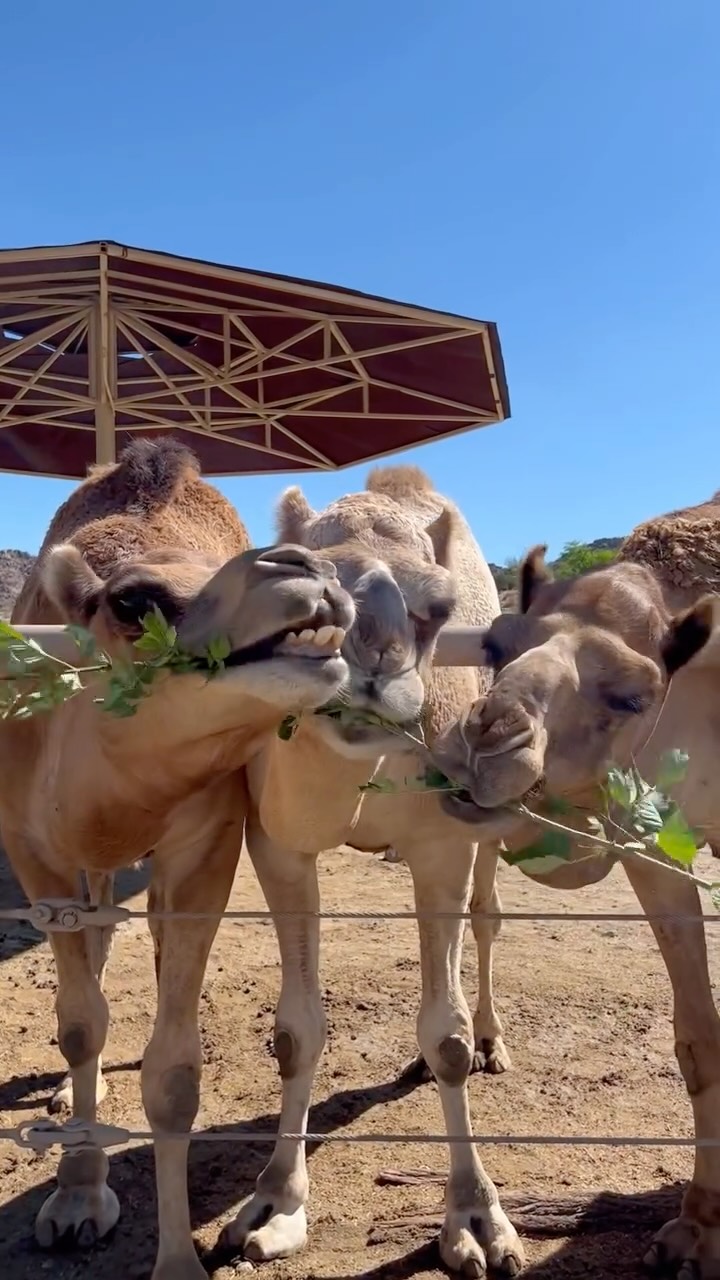
Serving looks and browse. 😎🌿
Did you know? Just as “grazers” eat grass, “browsers” are animals that munch on leaves, twigs, and bark from trees.
As you can see, those luscious lips aren’t just for show — they’re built for browsing, and providing browse is an essential part of keeping our herd healthy, happy, and thriving!
