
- Introduction to Ru: Background and Significance
- Keeper Brittany’s Role in Ru’s Development
- Insights on Animal Care and Behavioral Observations
- The Importance of Enrichment and Social Interaction
- Wildlife Conservation and Conservation Education Initiatives
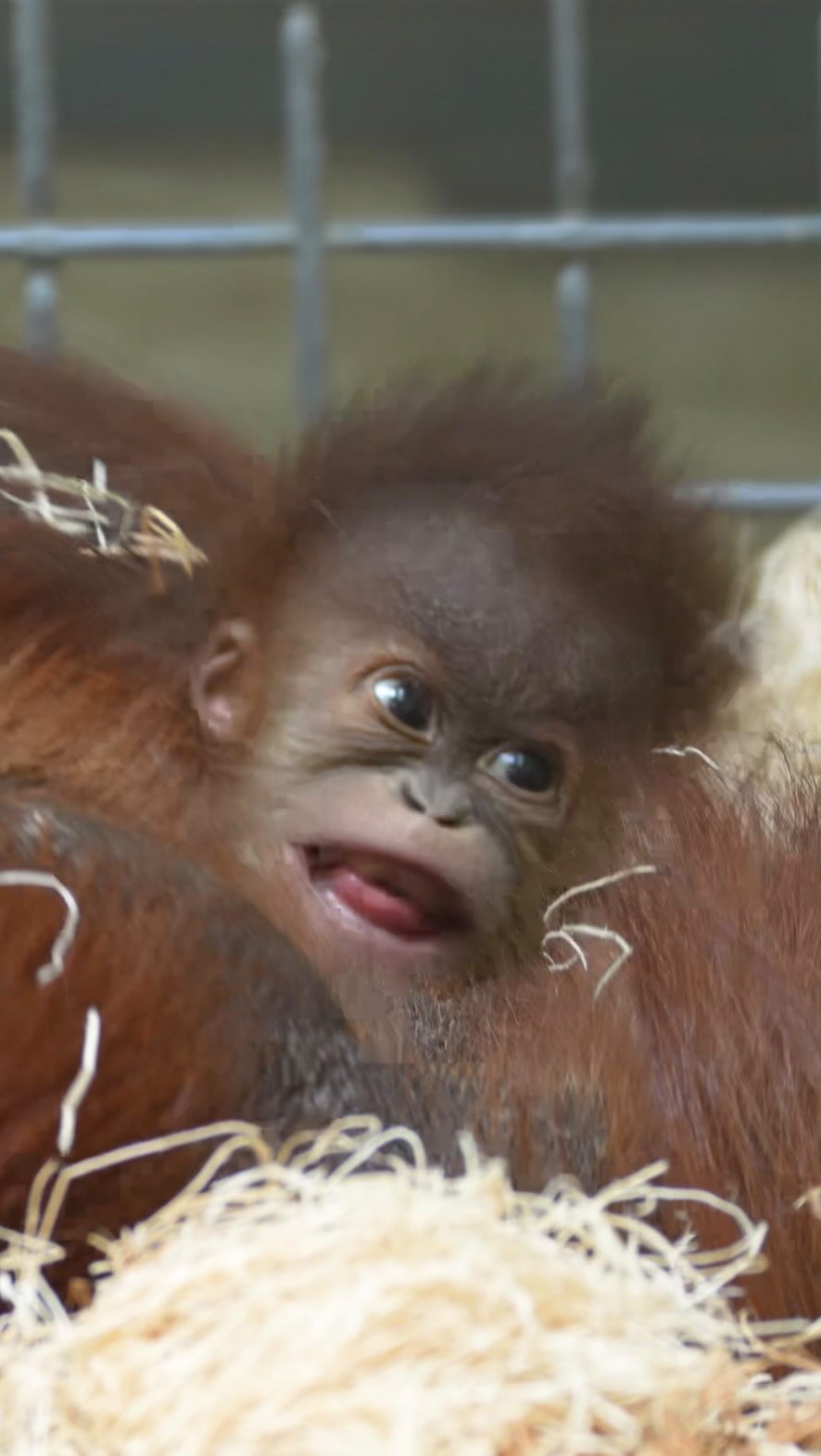
Ru, a young animal admired for her charm and growing personality, is now a focal point for zoo visitors and staff alike. This article sheds light on her development, the dedicated role of Keeper Brittany, and the broader implications of nurturing wildlife in a zoo setting. The story of Ru is more than just an account of a young creature’s growth; it shows the intersection of animal care, behavioral studies, and conservation efforts.
Ru, a young primate, captivates audiences with her blooming personality and characteristic fluffy hairstyle. This showcases not only her daily antics but also speaks to the careful thought behind her development within a zoo environment. Engagement with animals like Ru carries educational value, emphasizing the role humans play in fostering healthy animal populations.
Keeper Brittany plays a crucial role in Ru’s nurturing journey. Her approach to animal care combines scientific understanding with heartfelt attention. This enables her to monitor Ru’s health and development closely. Brittany often notes Ru’s playful behavior and interaction with both her keepers and fellow animals. Such observations are not arbitrary; they provide insights into how well Ru is adapting to her surroundings.
Behavioral science serves as a foundation for much of the work done by animal keepers. Tracking Ru’s social behaviors, appetite, and playfulness offers indicators of her overall well-being. For instance, if Ru is more interactive and exhibits more energy, it might reflect positively on her health. Conversely, if she shows signs of lethargy or disinterest, it could signal underlying issues that warrant further investigation. This kind of monitoring enhances not only Ru’s quality of life but also informs staff on best practices for animal care.
One significant aspect of the care provided to animals like Ru is enrichment. Enrichment strategies aim to stimulate both the mind and body of animals to encourage natural behaviors. Different types of environmental enrichment can be introduced, such as puzzle feeders or climbing structures that mimic her natural habitat. These strategies are critical for young animals, as they enhance cognitive skills and physical agility. For Ru, such enrichment provides an opportunity to explore her environment safely and develop vital skills that she would utilize in the wild.
Social interaction plays a pivotal role in Ru’s development too. Being a social animal, she thrives on interacting with both humans and fellow primates. Integrating her into group settings allows for positive social learning experiences, where she can observe and imitate behaviors from older animals. This interaction is not unilateral; the presence of other animals can also alleviate stress, encouraging a more balanced temperament.
In addition to physical and social enrichment, Keeper Brittany also participates in educational outreach efforts. She points out that sharing knowledge about Ru’s species cultivates a sense of responsibility among visitors. Engaging the public through discussions about wildlife conservation helps to create awareness about the challenges animals face in their natural habitats. Efforts like these foster a deeper connection between the public and wildlife, promoting a collective commitment to conservation.
Moreover, Ru’s story seamlessly ties into broader efforts aimed at protecting endangered species. Many young animals in zoos serve as ambassadors for their peers in the wild. By fostering interest in Ru, organizations can draw attention to conservation challenges such as habitat destruction, poaching, and climate change. Such initiatives underscore the necessity for public involvement in wildlife preservation efforts.
Zoo staff, including Keeper Brittany, find value in their interactions with animals. They often learn from observing animal behavior in real-time, adapting care techniques based on those observations. The knowledge gained is not static; it continues to evolve as new research emerges in the fields of zoology and animal behavior. This ongoing learning process reinforces the connection between the scientific community and practical animal care.
The significance of Ru’s journey extends beyond the zoo; it embodies a commitment to the future of wildlife. Every step taken in her care is a small yet critical part of larger efforts to mitigate species decline. As Keeper Brittany tends to Ru’s growing needs, she simultaneously contributes to developing best practices for future generations of animals.
Animals in zoos have the potential to act as genetic reservoirs, playing crucial roles in the preservation of biodiversity. This perspective reinforces why institutions continually evolve their animal husbandry and conservation strategies. With Ru as a representative of her species, the potential for conservation success starts with her growth and development.
To support such initiatives, zoos often collaborate with various conservation organizations. These partnerships can result in joint projects aimed at habitat preservation and educational outreach, showing a unified effort in safeguarding wildlife. Community members are invited to participate in numerous programs, from volunteer efforts to fundraising activities aimed at supporting global conservation initiatives.
As Ru continues to grow under Keeper Brittany’s attentive care, her story serves as a beacon of hope. It illustrates the critical role zoos play in animal welfare and conservation. The education offered to visitors through their encounters with Ru fosters a sense of connection, encouraging them to be advocates for wildlife.
The importance of animal ambassadors cannot be overstated. Each interaction allows the public to witness the beauty of animals like Ru while reinforcing the need for wildlife protection. This dynamic further stimulates discussions around ethical treatment and conservation strategies.
Studies show that effective educational programming enhances public understanding of wildlife issues. As visitors engage with animals and their keepers, they absorb vital information on how they can contribute to conservation efforts. The awareness generated by such experiences ultimately influences future conservation policies.
Each year, educational programs evolve based on visitor feedback and changing conservation landscapes. The incorporation of interactive exhibits and hands-on learning opportunities allows for a more engaging experience. Ru’s charming antics not only captivate audiences but also act as a catalyst for educational dialogues.
In summary, Ru is a remarkable example of how effective animal care can lead to positive outcomes in wildlife conservation. She is supported by experienced professionals like Keeper Brittany, who ensure her health, enrichment, and social welfare. By sharing Ru’s story, zoos can inspire and motivate the public to contribute to ongoing conservation efforts.
The journey of animals like Ru exemplifies the vital work performed in zoos around the globe. As they satisfy curiosity and foster connections with wildlife, they promote a richer understanding of the challenges faced by animals everywhere. The future of conservation lies in the hands of informed individuals, and Ru stands as a hopeful symbol in that endeavor.
*****
Source Description
What’s New with Ru! 🦧 Keeper Brittany gives us a behind-the-scenes look at how this little one is doing as she grows stronger every day and rocks her increasingly fluffy hairstyle!
