
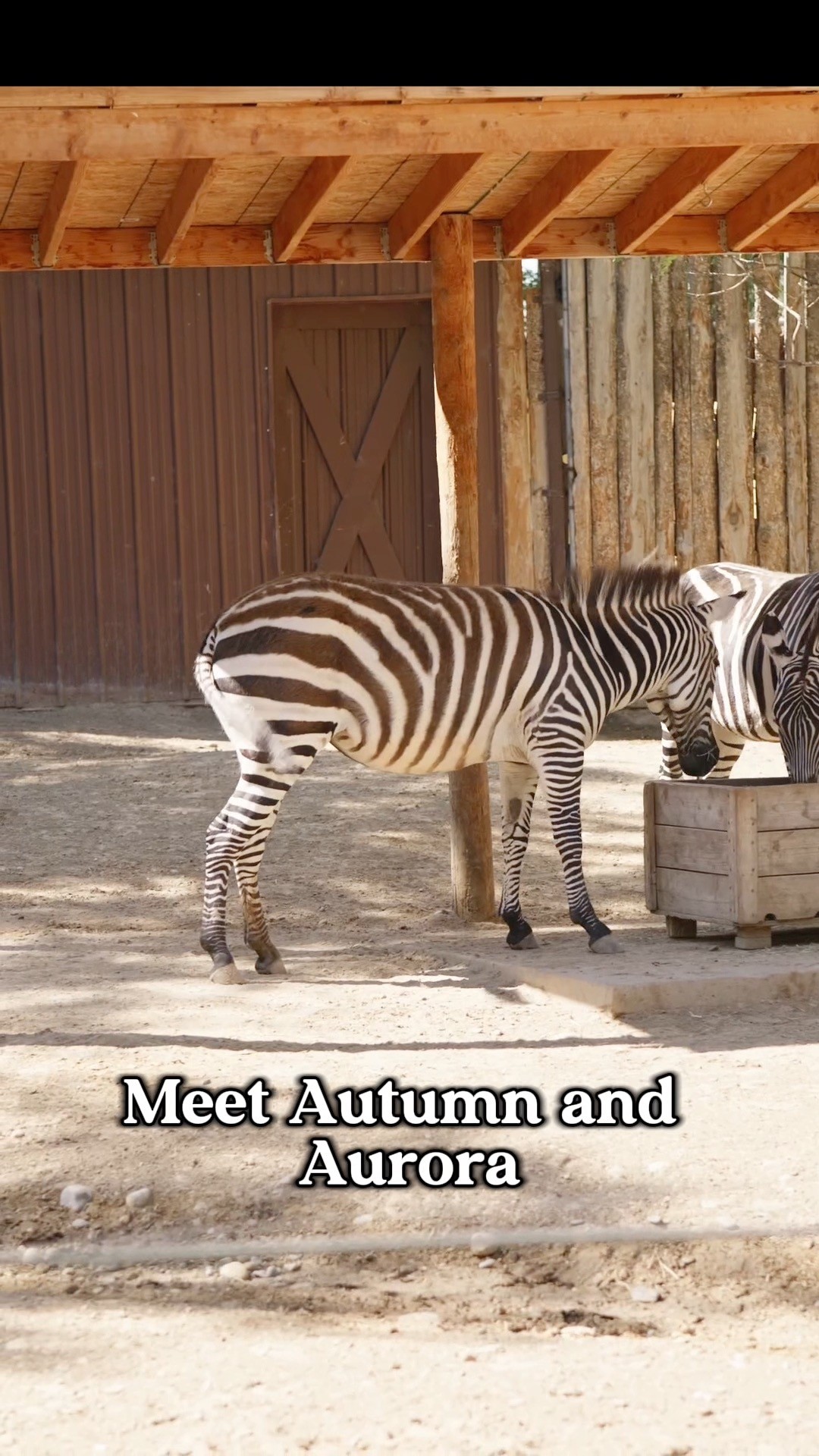
- Each zebra has its own distinct stripe pattern, similar to human fingerprints.
- Understanding zebra stripe patterns can provide insights into their behavior and social structures.
- Zebras use their stripes for various functions, including camouflage and social bonding.
- Autumn and Aurora serve as excellent examples of the unique characteristics that contribute to zebra identity.
- The role of zoos in wildlife conservation and education highlights the importance of species protection.
The animal kingdom has its share of fascinating phenomena, but few are as captivating as the stripe patterns of zebras. Every zebra sports a distinctive set of stripes that serve not only as physical identifiers but also play crucial roles in their social interactions and behavior. This unique characteristic is akin to human fingerprints, where no two patterns are alike. Each zebra’s stripe pattern is meticulously formed and unique.
Zebras are often found in various habitats across Africa, from savannas to mountainous regions. Their stripe patterns can vary widely between species, including the plains zebra, the Grevy’s zebra, and the mountain zebra. These variations are not just superficial; they can influence how well a zebra adapts to its environment. For instance, the Grevy’s zebra has narrower stripes than the plains zebra, which allows for better camouflage in arid regions where they often graze among grasses and shrubs.
The distinct stripe pattern serves many purposes beyond identification. One primary benefit of these unique patterns is camouflage. When zebras are in a herd, their stripes can create an optical illusion. Predators often find it difficult to single out an individual zebra due to the disruption caused by the blending of stripes. This phenomenon, known as “confusion camouflage,” helps zebras evade predators like lions and hyenas.
The social structure of zebras is complex, and stripe patterns play an essential role in this aspect. Zebras are social animals that thrive in groups, which can comprise family units or larger communities. Recognizing individual zebras allows them to navigate social hierarchies, establish bonds, and communicate effectively. Through various vocalizations and body language, they strengthen these ties, and their stripes become a crucial element in identifying friends and foes alike.
Let’s take a closer look at Autumn and Aurora, two female zebras that offer a personal touch to this topic. Located at the local zoo, each zebra’s unique pattern makes it easy to identify them, provided you know what to look for. Autumn’s notable teardrop-shaped stripe under her left eye is one such feature that makes her stand out. This particular characteristic not only helps zoo staff and visitors differentiate between the two zebras but also illustrates how specific traits can convey individuality among these social animals.
When visiting the zoo, observe how each zebra behaves within the group. You’ll notice that they often stand close to one another, engaging in mutual grooming and playful interactions. These behaviors help maintain social bonds and reinforce their roles within the herd. Understanding these dynamics adds another layer of appreciation for these beautiful animals.
The way zebras use their stripes extends beyond physical appearance. Recent studies suggest that these patterns may also serve thermoregulation purposes. The contrasting black and white colors may influence how zebras absorb heat from the sun. In hotter climates, this attribute could potentially help them manage their body temperature more effectively.
In addition to their natural habitats, zebras face numerous threats, including habitat loss and poaching. Conservation efforts are critical in safeguarding their populations. Zoos, like the one featuring Autumn and Aurora, play a pivotal role in education and awareness regarding these threats. They offer visitors the chance to learn about zebras and their environments, enabling people to grasp the challenges involved in conservation.
Education is paramount for fostering a sense of responsibility toward wildlife preservation. Zoos often conduct programs that allow visitors to connect personally with animals, instilling a deeper appreciation for biodiversity. Demonstrations and informational campaigns can guide the public in understanding the importance of protecting ecosystems, thus maintaining the delicate balance crucial for animal survival.
Another interesting aspect of zebra behavior relates to their mating and reproduction. The mating rituals in zebras can sometimes be elaborate, with males often displaying their strength and agility. Dominant males usually engage in fierce battles to claim mating rights, showcasing their physical prowess. However, it is the social structure and cooperation within the herd that often determine the success of offspring survival.
Additionally, the bonding experience among mothers and their young is profound. Mother zebras tend to be very nurturing and protective, often staying close to their young and teaching them how to navigate their environment. Recognizing individual stripe patterns can aid mothers, helping them to identify their offspring amidst the herd.
When it comes to zebras in zoos, it’s crucial to understand how they adapt to captivity compared to their wild counterparts. Good zoo management strives to replicate the zebra’s natural habitat as closely as possible. This replication often includes providing ample space for roaming, social interaction, and mental stimulation. Enrichment activities in zoos, such as puzzle feeders or new objects to explore, can keep zebras engaged and reduce stress.
The integration of academic research into zoo practices can enhance the welfare of zebras in captivity. Regular health assessments, nutritional monitoring, and social interactions are all part of a comprehensive care plan essential for their well-being. Furthermore, collaborations between zoos and wildlife conservation organizations can facilitate research focused on behavior, genetics, and health.
Zebras hold significant cultural importance as well. They often appear in folklore and art, symbolizing different traits such as freedom and community. Their striking appearance has made them a subject of fascination, which further influences conservation messages. Zoos can leverage this cultural significance to engage broader audiences, making the case for why it is vital to protect zebras and their habitats.
In popular culture, zebras are often portrayed in various forms of media, ranging from animated films to wildlife documentaries. These portrayals contribute to public curiosity and awareness regarding animal behavior and conservation. By appealing to these interests, wildlife organizations can galvanize support for protection efforts.
As visitors plan to see zebras in their local zoos, engaging with the animals and their habitats can provide invaluable insight. Paying attention to Autumn’s distinctive striped feature or Aurora’s behavior within the herd can enhance the overall experience. Encourage children and adults alike to actively look for these differences to foster a curiosity that extends beyond their visit.
The importance of education cannot be overstated. Schools can organize trips to local zoos to teach children about wildlife conservation, biodiversity, and the specific challenges animals like zebras face. The visual engagement of watching zebras can create lasting impressions, turning visitors into advocates for wildlife preservation.
Climate change represents yet another challenge confronting zebras and their habitats. As ecosystems shift, zebras might find their feeding grounds less suitable for their dietary needs. Addressing these concerns requires a collective approach, as local communities, governments, and conservation organizations work together to implement sustainable practices.
In a world where human activities increasingly threaten wildlife, understanding the nuances of animal behavior becomes all the more critical. The distinctive zebra stripes are not merely an interesting fact but rather a focal point that can lead to broader discussions about biodiversity, conservation efforts, and the role of zoos in preserving these magnificent animals.
As you prepare to visit your local zoo, take some time to learn about the fascinating world of zebras. Observe Autumn and Aurora, and remember that awareness and education can play vital roles in wildlife conservation. By embracing a deeper understanding of these unique animals, we can all contribute to the well-being of zebras and other wildlife for generations to come.
*****
Source Description
Did you know no two zebras have the same stripes? Just like human fingerprints, their patterns are completely unique! 🖤🤍On today’s Tidbit Tuesday sponsored by Teton Auto Group, meet Autumn and Aurora, our two female zebras!
If you look closely, you can tell them apart. Autumn has a special teardrop-shaped stripe under her left eye that makes her extra easy to spot. 👀
Next time you visit the zoo, see if you can tell who’s who!
