
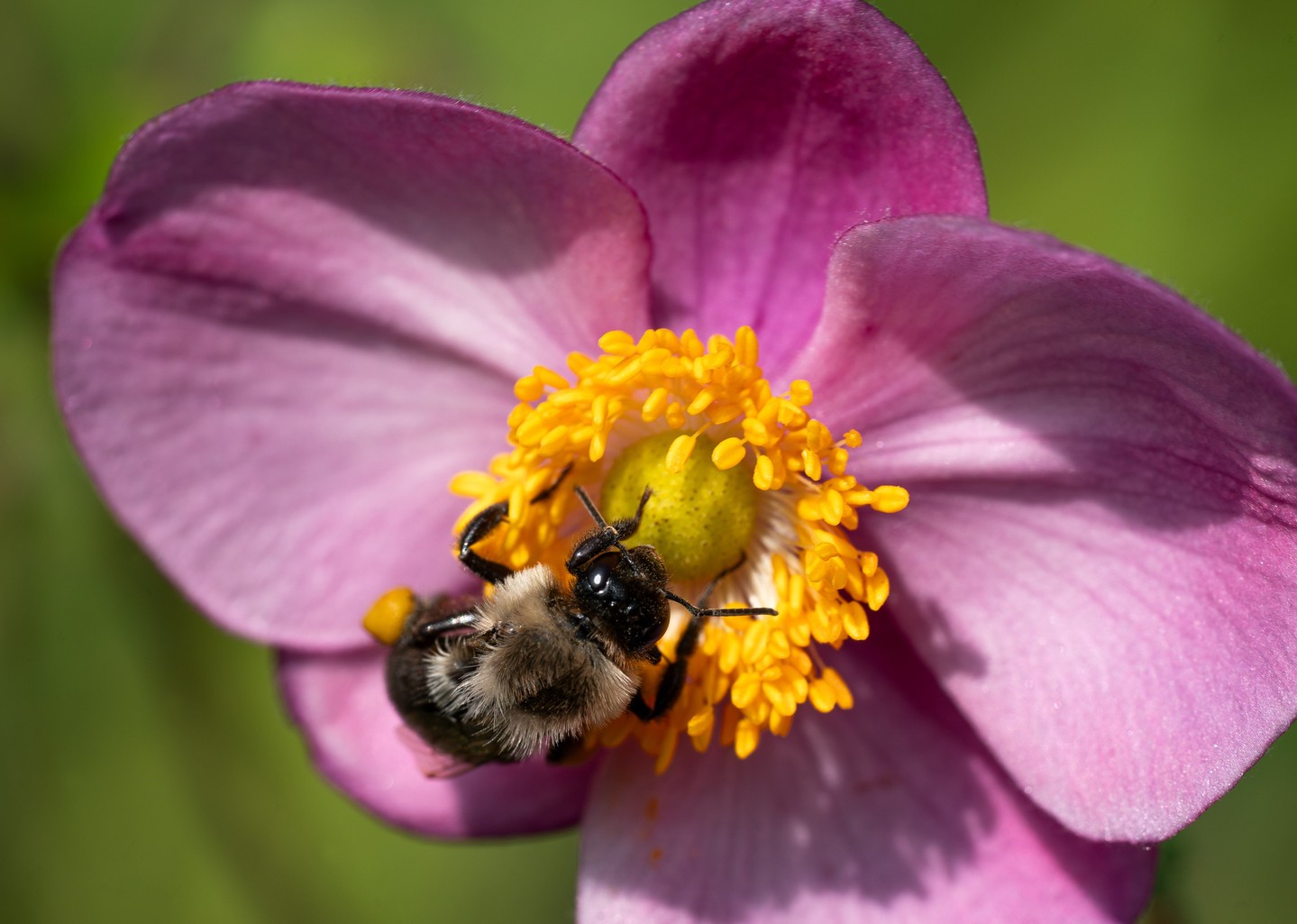
- Lincoln Park Zoo features over 850 plant species that support local pollinators.
- Pollinators like bees, butterflies, and bats play critical roles in ecosystem health.
- The importance of Pollinator Week as a platform for awareness and education.
- Strategies for individuals to support pollinator populations and biodiversity.
- The relationship between plant diversity and pollinator visits.
In Lincoln Park, an impressive tapestry of over 850 plant species flourishes across the landscape of Lincoln Park Zoo. This vibrant collection of flora is crucial not just for aesthetic appeal but also for the support of various pollinators. Each species is part of an intricate web of life, providing essential resources for bees, butterflies, and even bats that contribute to the ecosystem’s health.
Pollinators serve as nature’s unsung heroes. They are vital for the reproduction of many plant species, including those that produce fruits and vegetables that humans rely on. In fact, approximately 75% of the world’s flowering plants depend on animal pollinators to reproduce. The simple act of a bee buzzing from flower to flower ensures that numerous plants can continue to thrive. By participating in Pollinator Week, individuals can focus on this invaluable aspect of nature and acknowledge the pressing need to protect these industrious creatures.
A key aspect of this year’s celebration is understanding why specific habitats, such as Lincoln Park Zoo, are critical for various pollinators. The zoo provides a curated environment where a rich diversity of plants can bloom, offering a reliable food source for pollinators. The presence of native plant species increases the probability of attracting pollinators because they have co-evolved over time. Native plants tend to be more beneficial to local wildlife compared to non-native species, as they offer the specific pollen and nectar needs of local pollinator species.
Regarding pollinator types, bees are often the most recognizable pollinators. They are particularly known for their effectiveness due to their fuzzy bodies, which readily collect and transfer pollen. The different types of bees—honeybees, bumblebees, and solitary bees—each play a unique role in pollination. Honeybees, for instance, are social insects that live in colonies. Their foraging behavior allows them to visit numerous plants in a single outing. On the other hand, solitary bees, such as Mason bees, do not form colonies but are highly efficient pollinators for many early-blooming plants.
Butterflies, another essential group of pollinators, are equally fascinating. Their delicate beauty often captivates garden enthusiasts. Butterflies require specific host plants for their larvae, which makes it essential to maintain plant diversity. The relationship between butterflies and plants is a remarkable evolutionary partnership. While adult butterflies generally feed on nectar, their caterpillars necessitate particular host plants, making the cyclical nature of their lifecycle dependent on available vegetation.
Bats, often overlooked in the conversation of pollinators, also contribute significantly. Particularly in warmer climates, the role of bats in pollination is profound. They often visit nocturnal blooms that other pollinators miss, such as certain species of cacti and agaves, facilitating the growth of these plants. Bats consume vast numbers of insects, helping control pest populations and contribute to ecological balance.
Recognizing the importance of these pollinators is what Pollinator Week aims to highlight. Set annually, this week provides educators and conservationists with a platform to spread knowledge about pollinator ecosystems. Activities and events aim to raise awareness about the challenges that pollinators face, which include habitat loss due to urbanization, pesticide use, climate change, and diseases. Through public engagement, the week emphasizes that small actions—like planting native flora or reducing pesticide use—can aid in supporting pollinator populations.
One significant avenue for individuals wishing to make a difference is by creating pollinator-friendly habitats at home. This effort can be as simple as setting aside a corner of one’s yard or garden to plant native flowers. A variety of plant species not only attracts a wider range of pollinators but also creates a more resilient ecosystem. Additionally, providing nesting sites, such as leaving bare patches of soil for ground-nesting bees or incorporating bee hotels, can facilitate the growth of local bee populations.
Community involvement is also crucial for bolstering local pollinator populations. Participating in local gardening groups, conservation efforts, or educational events can raise collective awareness of the importance of preserving these species. Engaging with neighbors about creating pollinator gardens can lead to a network of resources and support, allowing for a more collaborative approach to conservation.
The menagerie of life within Lincoln Park Zoo serves as a vivid reminder of the interconnectedness between plants and pollinators. The plants thriving in the zoo’s environment not only grow in abundance but also flourish because of the presence of diverse pollinators. They each play their role in maintaining the health and versatility of the ecosystem. By promoting habitats that support pollinators, we are investing in our environment’s future.
Biodiversity is synonymous with resilience. When a habitat is rich in various plant species, it attracts a larger array of pollinators. This holistic strategy minimizes the chances of a single event, like disease, wiping out any one species. A well-balanced ecosystem can respond better to challenges such as climate variability or pest outbreaks. The blooms in Lincoln Park Zoo stand as scientific and experiential evidence of this interconnectedness.
Every flower that blooms at the zoo acts as a window into the larger ecological principles at play. The zoo’s diverse garden not only engages visitors but also fosters an appreciation for the essential roles that pollinators play. Understanding how these plants and creatures intersect invites individuals to reflect on their own habitats and the ways they can support local wildlife.
While it may seem easy to overlook the importance of these little creatures, their role in our ecosystems cannot be overstated. Pollinator week allows for a heightened awareness surrounding their contributions and the threats they face. It serves as an educational catalyst, driving the need for compassion and diligence in conservation efforts across the globe.
Every action counts, whether that involves participating in local events, educating others, or simply planting a garden filled with native plants. From the hum of bees to the gentle flutter of butterflies, Lincoln Park Zoo stands as a beacon for understanding and respecting the bustling world of pollinators. This celebration is about recognizing that we share the space with these amazing creatures and that their survival is intertwined with our actions.
The vibrant pollinator community at Lincoln Park Zoo is more than an attraction; it’s a vital part of a greater ecological narrative. Their presence reminds us that when we support one aspect of our environment, we stand to benefit many others. The connection between over 850 plant species and their pollinator counterparts creates a tapestry rich in life, serving as both a challenge and an opportunity for those interested in wildlife and conservation.
Engagement with this community, especially during Pollinator Week, is crucial. It sends a message that each of us can be stewards of the environment. Those visiting the zoo can contribute to this discourse and support practices that uplift the lives of bees, butterflies, and bats alike. Together, we can foster an environment that thrives for generations to come.
*****
Source Description
Would you bee-lieve that over 850 plant species are blooming across Lincoln Park Zoo? A hotspot for bees, butterflies, and even bats, pollinators play a huge role in keeping our ecosystems thriving!
Join us this week to celebrate Pollinator Week with some of the busiest little visitors in the garden! What’s your favorite pollinator to spot? 🐝🦋
