
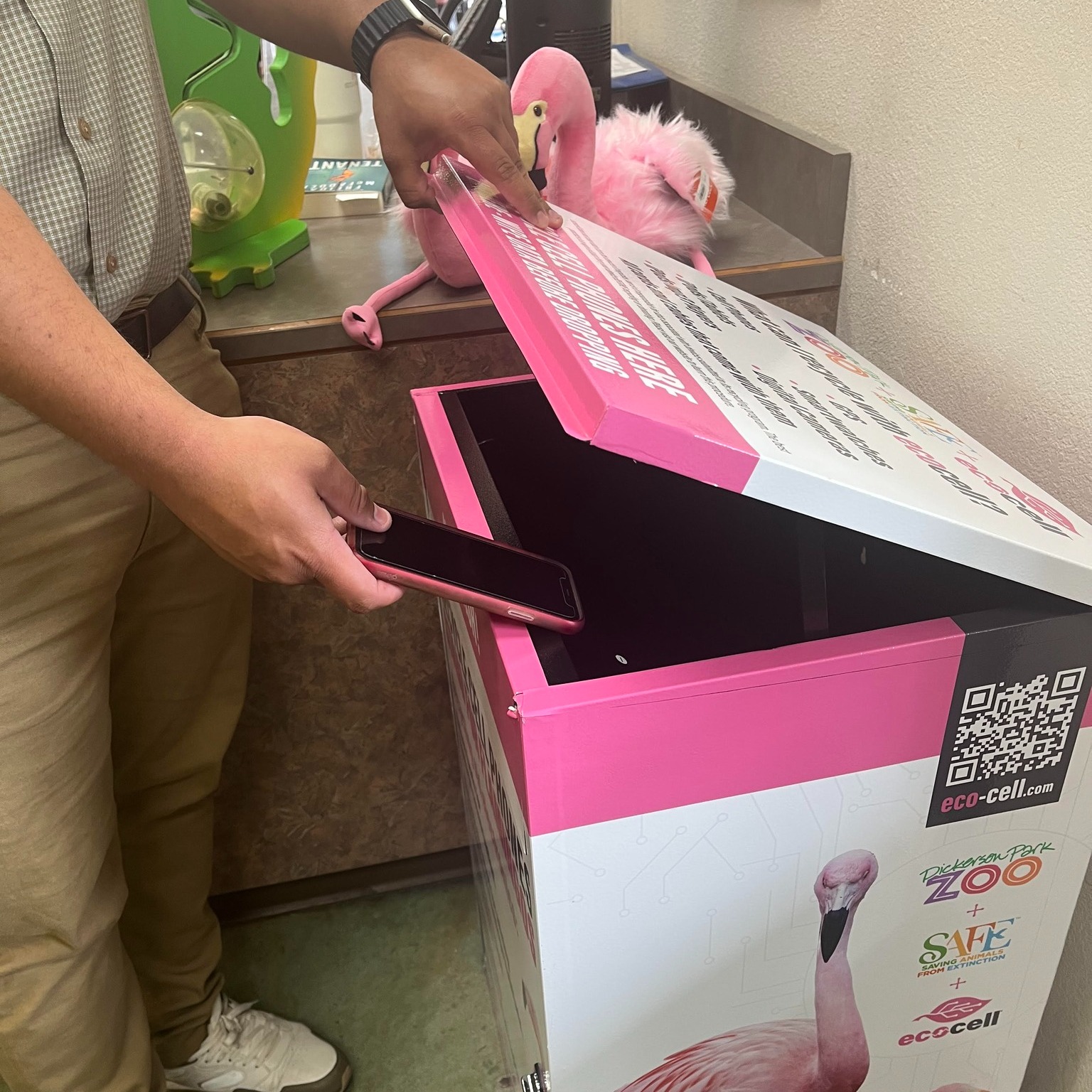
- The significance of lithium in technology and its connection to flamingo habitats.
- The ecological challenges faced by Andean Highland Flamingos and their environments.
- The process and benefits of recycling electronics to protect wildlife.
- The role of organizations like DPZ in wildlife conservation and environmental stewardship.
- Practical steps for individuals to contribute to this conservation effort.
Lithium is a vital component in the batteries that power modern technology, including mobile phones, tablets, and electric vehicles. Not everyone is aware that this element has a direct connection to the homes of Andean Highland Flamingos, a species that inhabits fragile ecosystems. The mining of lithium often takes place in the very habitats that these birds rely on, creating a link between our technology consumption and wildlife conservation. This relationship highlights the need for increased awareness and responsible recycling practices to protect these vibrant avian populations.
Andean Highland Flamingos, known scientifically as Phoenicoparrus andinus, inhabit high-altitude salt flats and alkaline lakes in regions such as the Andes mountains, primarily found in Bolivia, Chile, and Argentina. These stunning birds, characterized by their pink plumage and tall stature, are not just a visual spectacle but also play a crucial role in their ecosystems. They consume algae, brine flies, and other aquatic invertebrates, helping to maintain the ecological balance in their habitats. However, these environments are critically threatened by climate change, habitat degradation, and pollution from industrial activities, including lithium extraction.
Mining operations often disrupt the delicate conditions of these high-altitude ecosystems. The extraction process typically involves significant water use, which can lead to the depletion of local water sources. Additionally, the transportation of lithium can introduce pollutants, further harming the habitat. The challenges faced by Andean Highland Flamingos are compounded by these human activities, leading to a decline in their populations. Conservation efforts aimed at protecting these habitats are essential for ensuring the survival of these remarkable birds.
Recycling electronics is a practical way to mitigate the impact of lithium mining on the environment. Organizations like the Duke Primate Center Zoo (DPZ) actively promote the recycling of old cell phones and other electronics. When these devices are recycled, valuable materials, including lithium, can be recovered and reused in the manufacturing of new products. This process reduces the need for new lithium mining, thereby helping to preserve the natural habitats of flamingos and other wildlife. By recycling and opting for sustainable technology practices, individuals contribute to a larger movement aimed at protecting wildlife.
The value of recycling extends beyond simple waste reduction; it plays a significant role in wildlife conservation. The recycling process at DPZ incorporates educational initiatives that inform the public about the importance of responsible disposal of electronics. These programs emphasize the connection between technological choices and environmental stewardship. By raising awareness, DPZ encourages community involvement in conservation efforts, demonstrating that individual actions can lead to substantial collective impact.
Individuals can take several straightforward steps to contribute to wildlife conservation themselves. First, it is vital to recycle old electronics at certified recycling centers like DPZ. These facilities ensure that electronic waste is processed in an environmentally safe manner. Secondly, individuals can support companies that prioritize sustainable practices in their production processes. By choosing products from these companies, consumers can influence market trends and encourage more manufacturers to adopt eco-friendly practices. Lastly, educating yourself and others about the importance of protecting habitats like those of Andean Highland Flamingos enhances community engagement in conservation initiatives.
In summary, our relationship with technology carries profound implications for wildlife, particularly for the Andean Highland Flamingos. The lithium that serves to power our daily lives is intrinsically linked to the habitats these birds depend on for survival. The challenges posed by mining and industrial activities are significant, but by embracing recycling and supporting renewable practices, we can make meaningful strides toward conservation. Organizations like DPZ act as a beacon of hope, guiding efforts to protect these fragile ecosystems and the species that inhabit them. Engaging in recycling provides a tangible way for individuals to participate in a comprehensive conservation strategy that mitigates ecological impact.
Protecting the environment begins with awareness. When we recycle old cell phones and electronics, we not only safeguard the habitats of Andean Highland Flamingos but also contribute to a healthier planet for future generations. Your small actions can create a ripple effect, benefiting wildlife and the environment at large.
*****
Source Description
Did you know you carry a little bit of a flamingo’s home around with you? Lithium in cell phone batteries is mined from the habitats of Andean Highland Flamingos. These tough birds live in fragile habitats, but recycling old electronics at DPZ helps protect flamingos in the wild. Celebrate by recycling old cell phones at DPZ. @safe_flamingo
