
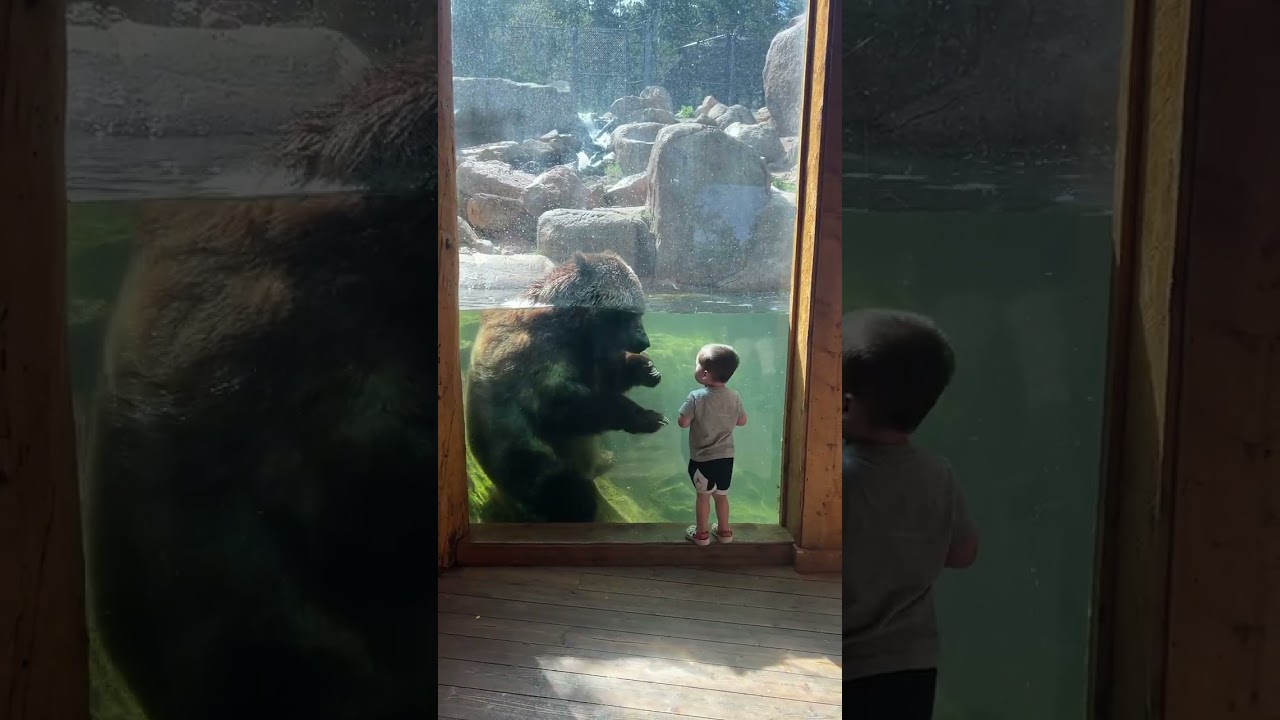
- Exploration of Digger’s natural behavior and adaptability in captivity.
- Impact of pool environments on zoological health and well-being.
- Importance of enrichment activities in zoo settings.
- Conservation and educational roles of zoos.
- Interactions between human caretakers and wildlife in managed environments.
Digger’s story, encapsulated by the saying "Digger didn’t choose the pool life, the pool life chose Digger," highlights the fascinating relationship between wildlife and managed care environments. Digger, a beloved animal in a zoo setting, serves as a living testament to adaptability and resilience. Understanding Digger’s natural behavior and how this translates into the zoo’s environment offers key insights into zoology and zoo management.
Zoo environments are carefully designed to address the physiological and psychological needs of animals. Pools serve not only as physical exercise spaces but are also social hubs for aquatic species. For Digger, the pool environment offers an opportunity to engage in activities that mimic natural behaviors. Observations of Digger’s behavior in the pool lend invaluable information on stress indicators and satisfaction levels. By witnessing these, zoo professionals can tweak environments to be more conducive to welfare.
The pools provide much-needed enrichment opportunities, essential for the animal’s mental and physical well-being. Enrichment activities stimulate cognitive functions and promote natural instincts. For aquatic animals like Digger, voluntary pool-based exercises and activities designed to simulate natural hunting or play can offer excitement and reduce tendencies toward stereotypic behaviors. The effects of enrichment are profound and multiply over time in terms of improved animal behavior and health.
In the context of modern conservation efforts, zoos serve a dual role in education and species preservation. Institutions embrace the challenge of marrying educational outreach with conservation efforts to foster public interest and support. Digger’s interaction with the pool environment provides zoo visitors an illustrative look into the life and habitats of aquatic animals, fostering a connection that extends beyond the zoo visit. Educational programs revolving around such animals spotlight the importance of conservation and the roles zoos play in preserving biodiversity.
The relationship between animal caretakers and wildlife species like Digger remains pivotal in managed care environments. These relationships are built on trust and understanding, developed over time through daily interactions and routine care activities. Constructive interactions between Digger and his human caretakers demonstrate the effectiveness of using positive reinforcement techniques to motivate and enrich the animal’s daily experiences. These relationships enable better monitoring of health and facilitate the implementation of tailored care strategies.
Zoos aim to replicate the natural environments of their inhabitants to the best extent possible, balancing this with the practical constraints of captivity. Factors such as proper filtration systems, pool maintenance, and water quality are critical in supporting the well-being of animals like Digger. These elements, combined with the expertise of zoo specialists, contribute significantly to the health and happiness of animals living in care.
The case of Digger’s attraction to the pool underscores the intrinsic intelligence of wildlife and their ability to adapt to new and varying situations. Pool life, as cherished by Digger, acts as a microcosm of broader ecological principles, reflecting on how environments, interactions, and habitual conditions collectively influence animal behavior. This tale serves as an educational tool illustrating the importance of adaptability in wildlife and providing a context for broader discussions on animal behavior in future conservation projects.
Digger’s relationship with pool life not only captures the imagination of zoo-goers but also sparks interest in zoological research. It provides opportunities to gather extensive data on behavioral patterns, habits, and environmental needs of captive animals. These insights contribute to scientific understanding and further the development of advanced care models tailored to a variety of species.
Observing how animals like Digger interact with their environment enables zoologists to extrapolate findings to broader ecological contexts. The behavioral data collected can support conservation practices in natural habitats, offering strategies to mitigate human-wildlife conflicts and promoting coexistence.
In sum, the pool life chosen by Digger, while seemingly trivial, represents a deeper narrative of adaptation, care, and ecological consideration. It serves as a reminder of the intricate connections between environment, behavior, human intervention, and conservation. This story underscores the responsibilities that come with managing these connections, ensuring a future where both wildlife and human aspirations coexist harmoniously.
*****
Source Description
