
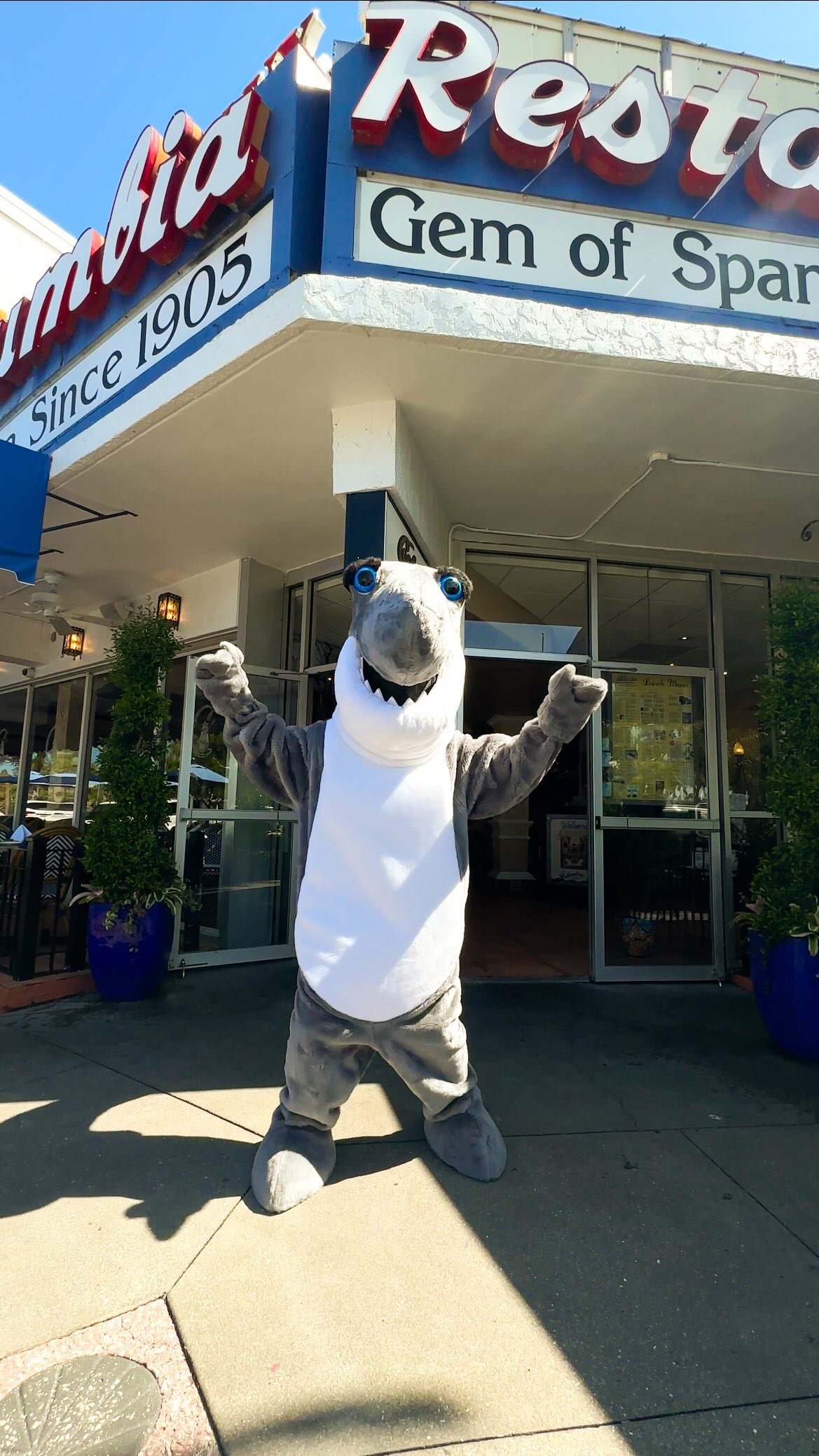
- Overview of the Community Harvest initiative
- Significance of the Gonzmart family’s contributions
- Impact of Mote Marine Laboratory on marine conservation
- Role of local restaurants in community engagement
- Future implications of philanthropic partnerships
The 28th Annual Community Harvest has kicked off, bringing a month-long opportunity for diners to enjoy delicious meals while contributing to a vital cause. Through the month of September, two renowned Florida dining establishments—Columbia Restaurant and Cha Cha Coconuts Bar—will donate 5% of each check to the Mote Marine Laboratory. This initiative provides patrons the chance to indulge in culinary delights without any additional cost while supporting marine conservation efforts.
The Gonzmart family, owners of the 1905 Family of Restaurants, generously sponsors this unique event. Their commitment over the past 27 years has resulted in over $4.4 million in donations to about 100 non-profit organizations across Florida. This philanthropic legacy showcases not just their dedication to community involvement but also emphasizes a longstanding relationship between local businesses and social responsibility.
Marine ecosystems and their conservation have never been more critical. The Mote Marine Laboratory is a leader in research concerning marine species, habitats, and ecosystems. Its focus ranges from studying fisheries and coral restoration to advancing marine biotechnology. Each contribution from diners plays a direct role in furthering this research, enabling better understanding and protection of marine life.
Local restaurants like Columbia and Cha Cha Coconuts Bar are pivotal in fostering community engagement. By partnering with a respected institution like Mote, these establishments not only promote awareness of marine conservation but also create an accessible avenue for the community to give back. Each meal becomes an opportunity to support a cause that plays an integral role in Florida’s ecological health.
Looking ahead, partnerships like these signal a growing trend in corporate social responsibility, linking local economies with conservation efforts. This initiative presents a model for other businesses to follow, reinforcing the idea that community support can significantly impact environmental sustainability.
The Community Harvest initiative exemplifies how local dining experiences can inspire broader social change. As patrons relish every dish, they participate in conservation efforts that serve their community and protect invaluable marine resources. With this synergy between businesses and non-profits, the hope is to cultivate a lasting legacy focused on sustainability and responsibility in Florida’s unique environment.
Support for marine conservation through dining out illustrates how small actions can lead to significant change. As diners enjoy the culinary offerings at Columbia Restaurant and Cha Cha Coconuts Bar, they engage with marine conservation efforts that often go unnoticed.
By donating 5% of their meals throughout September, diners contribute to projects that include species monitoring, habitat restoration, and marine education. Each dollar raised aids Mote in conducting workshops and outreach programs that teach the public about marine environments and the importance of protecting them. This is crucial in a time when human activity increasingly threatens marine ecosystems through pollution, overfishing, and climate change.
The Gonzmart family’s influence extends beyond mere financial contributions. They foster awareness and community involvement, encouraging their patrons to think about the broader implications of their choices. Such initiatives align well with current trends in sustainable dining and corporate responsibility, creating an engaged clientele invested in local issues.
Furthermore, the partnership illustrates the vital role that restaurants can play in reinforcing community ties. By becoming platforms for social good, establishments can transform the dining experience into an act of responsibility. Customers leaving Columbia or Cha Cha Coconuts will do so knowing they contributed to marine conservation, thereby cultivating a sense of community and awareness.
The Mote Marine Laboratory has long been at the forefront of marine science education and conservation. With over forty years of research, Mote is a renowned hub for marine biology studies, focusing on species ranging from sharks to sea turtles, and it aids in understanding the effects of climate change on marine habitats. The funds generated through the Community Harvest initiative can directly support vital research initiatives, such as studying the impacts of ocean acidification on coral reefs.
The transparency of the initiative allows diners to see the tangible effects of their contributions. Many people are keen to support organizations with clear missions and visible impacts. Such community-oriented events tend to inspire others to become more proactive in environmental stewardship. The synergy created through dining and donating amplifies local engagement and encourages discussions on conservation.
Moreover, the initiative emphasizes the role of dining as a communal experience that can unify people around a shared purpose. The dining establishments serve not just as venues for food but as spaces where individuals can gather to foster relationships, awareness, and shared commitment to their community and environment.
Food, as a universal connector, enhances this communal experience. Each dish served becomes a medium through which diners participate in greater societal issues. The narrative of conservation unfolds with every bite, as patrons recognize their role in supporting larger ecological initiatives.
Local restaurants engaged in such charitable endeavors often attract a wider audience, drawing in food lovers who may have not been aware of the pressing needs within their environment. By sharing stories of marine life and the struggles faced by these ecosystems, restaurants enhance patrons’ dining experiences while educating them on important conservation matters.
In addressing future implications, it is essential to recognize the potential ripple effect of such initiatives. When diners leave feeling empowered, they may be inspired to adopt more sustainable practices in their daily lives. This shift can extend beyond dining habits, influencing choices related to waste management, consumption, and environmental advocacy.
Furthermore, such partnerships position local businesses as leaders in corporate responsibility. By committing to causes with demonstrable importance, they can establish themselves as stalwarts of community support. This strengthens customer loyalty and fosters a culture of engagement centered on giving back.
In the competitive landscape of dining, establishments that actively participate in social causes often distinguish themselves from their peers. More consumers are drawn to brands that prioritize ethics and responsibility, reinforcing the idea that dining out can contribute positively to one’s community.
The 28th Annual Community Harvest is more than just an initiative; it exemplifies a model for how local enterprises can contribute to pressing ecological issues. With the Gonzmart family’s support and the involvement of cherished dining spots, the contributions from patrons take on meaningful significance.
This initiative serves as a reminder of the collective power of individual actions. Each meal eaten while supporting Mote’s mission can create waves of change, translating personal enjoyment into collective benefit. Over the course of September, diners are called not just to eat, but to partake in a movement dedicated to conserving Florida’s marine life.
For the community, dining out has transformed into an opportunity for partnership and advocacy. This model has the potential to inspire other organizations to embrace similar charitable initiatives, reinforcing the interconnectedness of local business efforts with significant social missions.
As more diners participate in events such as the Community Harvest, they reinforce the understanding that environmental conservation is a shared responsibility. Each act of support serves as a building block for a future that values sustainability, urging every diner to consider their part in a larger mission.
This event embodies the spirit of community action centered around stewardship of Florida’s precious marine resources, marking another year of significant contributions to the field of conservation. The partnership between restaurants and organizations like Mote Marine Laboratory illustrates the profound impact that collective efforts can achieve. The anticipation for what this year holds is palpable, inviting everyone to participate in this incredible journey of unifying food, community, and environmental advocacy.
*****
Source Description
Dinner is served! ✨😋
Today marks the first day of the 28th Annual Community Harvest!
All through September, you can dine at @columbiarestaurant or @chachacoconutsbar and donate 5% of your check to Mote, at no additional cost to you!
The donation is generously provided by the Gonzmart family, owners of the 1905 Family of Restaurants.
Over the last 27 years, the Gonzmart family has donated more than $4.4 million to 100 non-profit groups throughout Florida. Here’s to another FIN-tastic year! 🌟
