
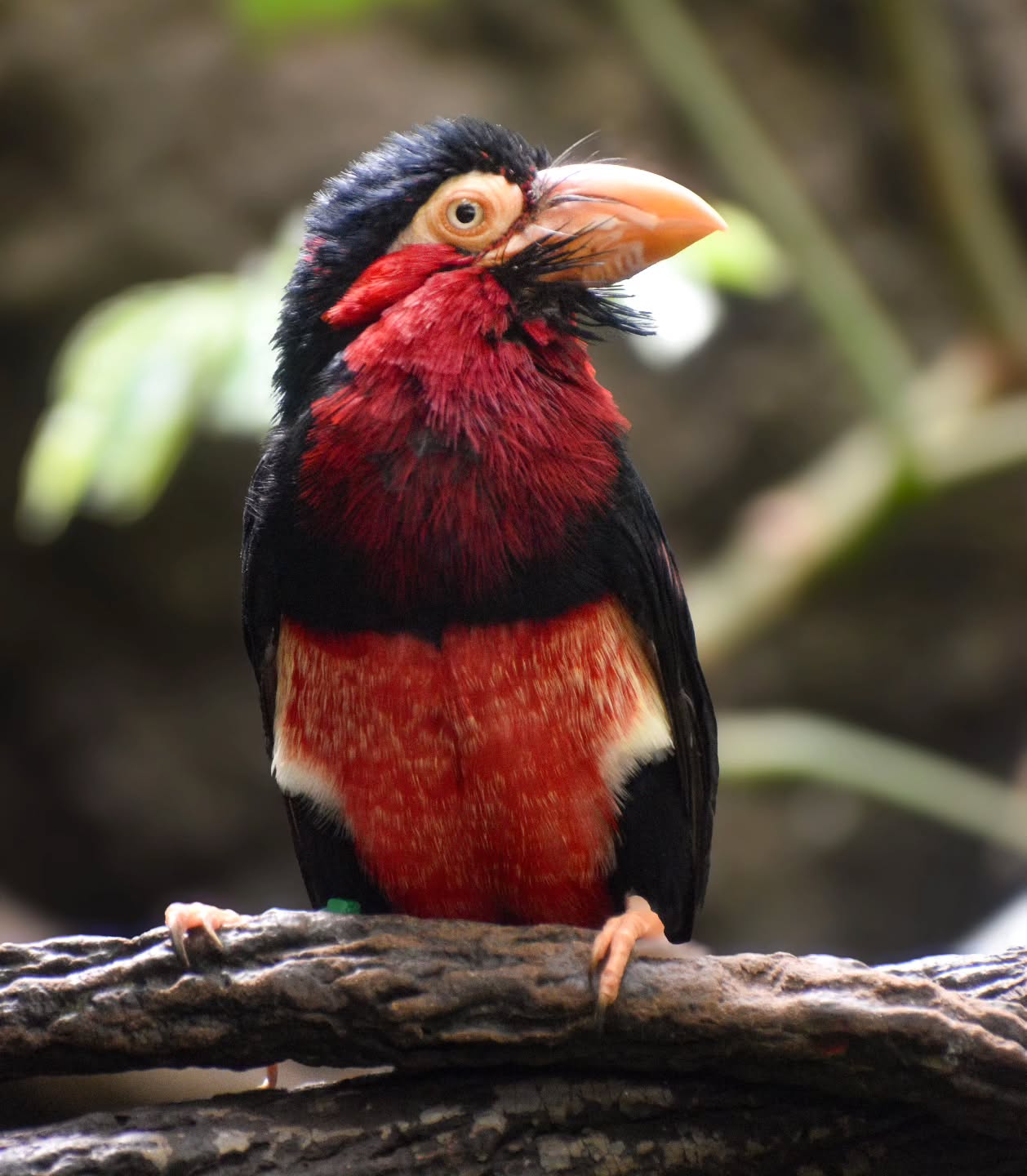
- Overview of Bearded Barbet’s taxonomy and physical characteristics
- Natural habitat and geographical distribution
- Behavioral traits and social structure
- Conservation status and threats to survival
- Role in ecosystem and importance of preservation efforts
The Bearded Barbet, or Pogonornis dubius, belongs to the family Lybiidae and is known for its vibrant coloration and notable characteristics. Taxonomically, it is classified within the subfamily Lybiinae. Adult Bearded Barbets display a striking plumage characterized by bright yellow, green, and red feathers, alongside a distinctive black beard, which gives the bird its name. The overall length of the Bearded Barbet ranges between 20 to 25 centimeters. The sexual dimorphism is minimal; however, males tend to exhibit more vibrant colors compared to females. Their strong, curved bill is adapted for their frugivorous diet, allowing them to peel and access the flesh of fruits with ease.
The habitat of the Bearded Barbet primarily includes subtropical or tropical moist lowland forests and moist montane forests. These specific environments are rich in diverse flora and fauna, providing an ideal setting for foraging. Geographically, Bearded Barbets are found in various parts of central and western Africa, notably in countries like Cameroon, the Central African Republic, Congo, and Gabon. Their range reflects the availability of suitable habitats that support their dietary and social needs. Unfortunately, deforestation and habitat destruction have resulted in the fragmentation of their natural environment, impacting their populations adversely.
Behaviorally, Bearded Barbets are intriguing. They are predominantly seen in pairs or small family groups. Their social interactions often include vocalizations that serve as communication tools, especially in courtship and territorial displays. The Bearded Barbet has a varied diet that consists of fruits, seeds, and insects, making them vital seed dispersers within their ecosystems. Their foraging habits contribute significantly to the health of their habitats as they promote plant diversity and regeneration. Furthermore, their nesting behavior is particularly fascinating. They tend to excavate their nests in dead or dying trees, using their strong bills to create suitable cavities.
The conservation status of the Bearded Barbet is of considerable concern. According to the International Union for Conservation of Nature (IUCN), the species is classified as Near Threatened. The primary threats to its survival include habitat loss due to logging, agricultural expansion, and human encroachment. As forests continue to decline, their populations face increasing pressure. Conservation efforts must focus on habitat protection and restoration to ensure sustainable populations. Legal protections and awareness programs are essential tools in addressing these challenges.
Bearded Barbets play a crucial role in their ecosystems, acting as important seed dispersers that contribute to forest regeneration. Their feeding habits help maintain the health of their habitats, promoting biodiversity. The loss of Bearded Barbets could lead to significant ecological imbalances, as their role as dispersers is critical for numerous plant species.
At institutions like the Bronx Zoo, conservation initiatives aim to educate the public on the ecological significance of species like the Bearded Barbet. By showcasing these birds, zoos not only foster interest in avian conservation but also promote broader environmental stewardship. Educational programs designed for various audiences can inspire future generations to engage in wildlife preservation efforts actively.
In sum, the Bearded Barbet represents a fascinating example of avian adaptation and ecological importance. Its vibrant existence is not only a visual delight but also a key component in maintaining the health of its habitat. Understanding the challenges it faces underscores the urgency of conservation efforts. The collaborative action taken both in situ and ex situ will be integral in preserving this species for the future. Engaging with organizations and supporting initiatives focused on wildlife protection can help ensure that the Bearded Barbet continues to thrive in the wild.
*****
Source Description
Bearded Barbet (Pogonornis dubius) 📷 at the @bronxzoo
