
- The significance of animatronic dinosaurs in educational settings.
- Details about the DinoTrek event and its impact on zoo visitor engagement.
- Insights on the relationship between dinosaurs and contemporary wildlife conservation.
- The role of zoos in educating the public about extinction and biodiversity.
- The future of dinosaur-themed exhibits in zoological institutions.
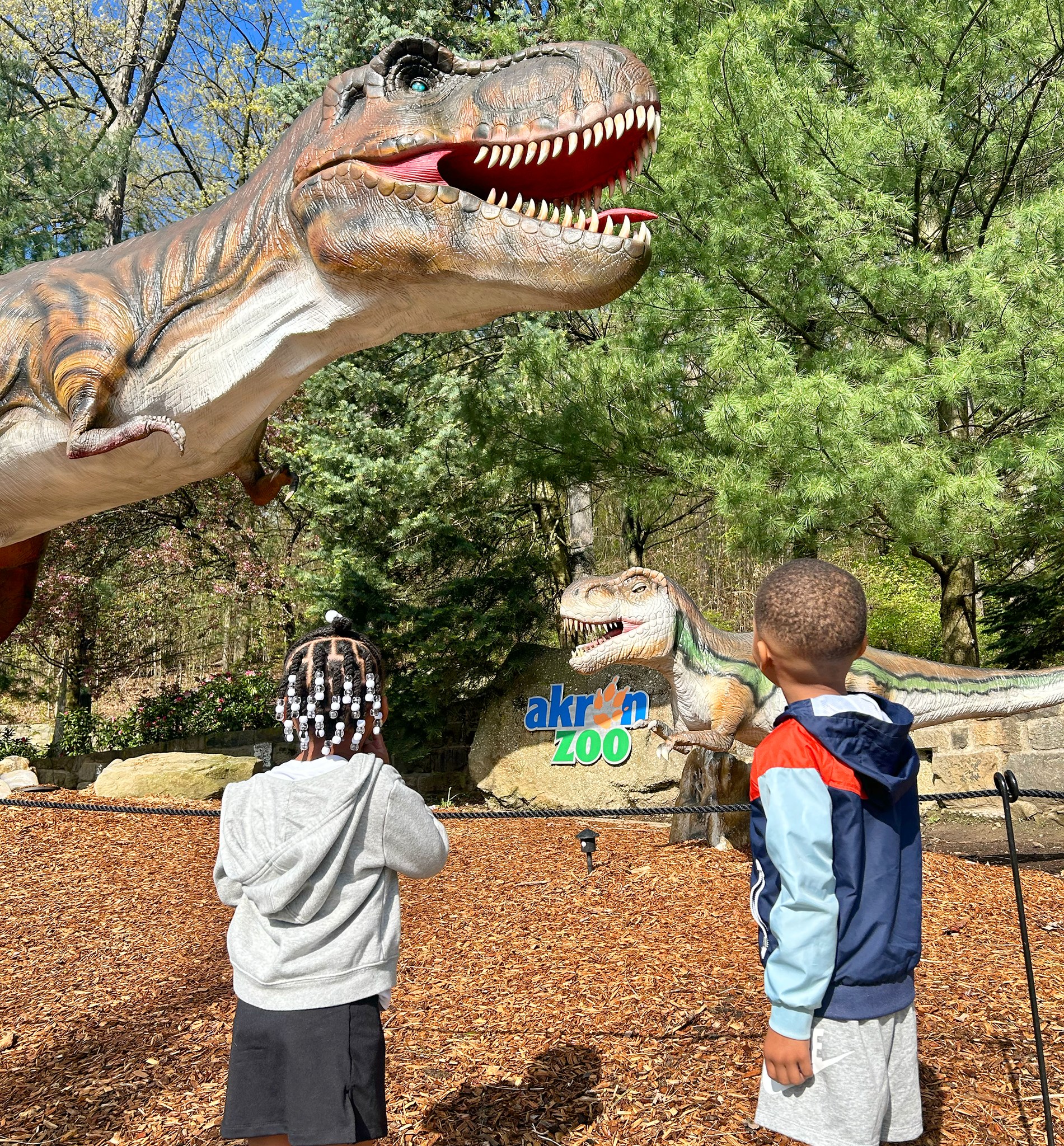
The Akron Zoo has recently rolled out an extraordinary attraction, "DinoTrek," presented by Huntington, which runs until September 14. This exhibit showcases 20 life-sized animatronic dinosaurs scattered throughout the park. Each dinosaur is intricately designed to provide an immersive experience that captivates the imagination. The animatronics are not merely for decoration; they serve as educational tools that enhance visitor engagement and foster a deeper understanding of prehistoric life and extinction.
Animatronic dinosaurs have become a staple in many zoological institutions. These dynamic replicas draw visitors from diverse backgrounds, creating a buzz of curiosity and excitement. The significance of such exhibits goes beyond mere entertainment. They offer an innovative method to educate the public about the scientific concepts of evolution, adaptation, and extinction. By experiencing lifelike representations of creatures that roamed the Earth millions of years ago, visitors can better comprehend the vast history of life on our planet.
DinoTrek stands out not only for its impressive models but also for its thoughtfully curated experience. Visitors can stroll through the zoo, encountering dinosaurs that range from the massive Tyrannosaurus rex to the nimble Velociraptor. Each display comes with information panels that detail the dinosaur’s characteristics, habitat, and role in the ecosystem. Such insights provide a window into the Earth’s biological past, stimulating discussions about adaptation and survival in modern wildlife.
Zoo management often faces the challenge of engaging visitors in ways that promote awareness of contemporary environmental issues. Events like DinoTrek effectively bridge the gap between ancient wildlife and today’s conservation efforts. Dinosaurs can be used as symbols to discuss the consequences of habitat destruction, climate change, and human impact on the environment. Educators can emphasize that the extinction of dinosaurs was a natural part of evolution, yet it also serves as a warning about the fragility of ecosystems today.
The event captures an audience eager to learn about biology, ecology, and the significance of biodiversity. Engaging displays often serve as a catalyst for conversations about the future of endangered species, conservation methods, and the roles humans play in both preserving and threatening wildlife. As visitors interact with the exhibit, they are encouraged to think critically about the importance of protecting current wildlife and preserving natural habitats.
This thematic link between dinosaurs and modern wildlife is especially pertinent. Just as the dinosaurs’ extinction reshaped ecosystems, current environmental practices can lead to the extinction of species today. Looking at the past teaches lessons that are invaluable for today’s conservationists. Through DinoTrek, the Akron Zoo helps visitors understand that today’s biodiversity is just as crucial for the health of the planet as that of the dinosaurs was in its time.
Beyond education, DinoTrek fosters a sense of wonder, which is essential for the emotional engagement of visitors. Children and adults alike are drawn to the spectacle of lifelike creatures that once roamed the earth. This emotional connection can lead to sustained interest in wildlife conservation. Research has shown that fostering a sense of wonder can inspire individuals to take action in their own communities, becoming advocates for change. The greater the attraction to ancient life, the more likely individuals will seek to protect the wonders of today.
The future of dinosaur-themed exhibits in zoological institutions looks promising. As technological advancements continue, the potential for further enhancing the experience grows. Innovations in animatronics, virtual reality, and interactive displays could transform how we engage with the past. Zoos are in a prime position to lead these developments, ensuring that education remains at the forefront of their missions.
In addition to elevating public interest, exhibits like DinoTrek support fundraising efforts. Admission fees and sponsorships from local businesses, such as Huntington, allow zoos to keep improving their facilities and educational programs. By investing in these attractions, the Akron Zoo reinforces its commitment to wildlife conservation while continuing to address the obligation it has towards education.
The integration of a dinosaur exhibit also provides an opportunity for collaboration among various scientific disciplines. Paleontologists, zoologists, educators, and artists can come together to create an enriching experience. When partnerships flourished among these fields, the knowledge generated can benefit both the zoo and the scientific community as a whole.
The role of zoos in educating the public about biodiversity and species extinction cannot be understated. By promoting awareness and encouraging ethical stewardship of the Earth, they act as custodians of both past and present wildlife. Through specialized programming aligned with exhibits like DinoTrek, zoos can cultivate informed and passionate advocates for conservation efforts.
Zoological institutions are also important for research on endangered species and breeding programs. Understanding the factors that led to the extinction of dinosaurs can inform modern conservation efforts, helping scientists identify at-risk species and develop strategies for their survival. Learning from the extinction of such a significant part of Earth’s history can let us grasp the importance of preserving biodiversity.
In summary, the DinoTrek event at the Akron Zoo not only offers a captivating display of animatronic dinosaurs but also serves as an educational platform to discuss vital issues of extinction and wildlife preservation. By connecting the ancient world of dinosaurs to today’s pressing environmental challenges, zoos like Akron effectively educate and engage the public in meaningful ways. Amidst the thrill of encountering dinosaur reproductions, visitors gain a deeper understanding of the interconnectedness of all living things, both past and present.
*****
Source Description
The dinosaurs have taken over the Akron Zoo? Have you checked them out yet?
DinoTrek, presented by Huntington, runs through Sept. 14 and features 20 life-sized animatronic dinosaurs throughout the park.
