
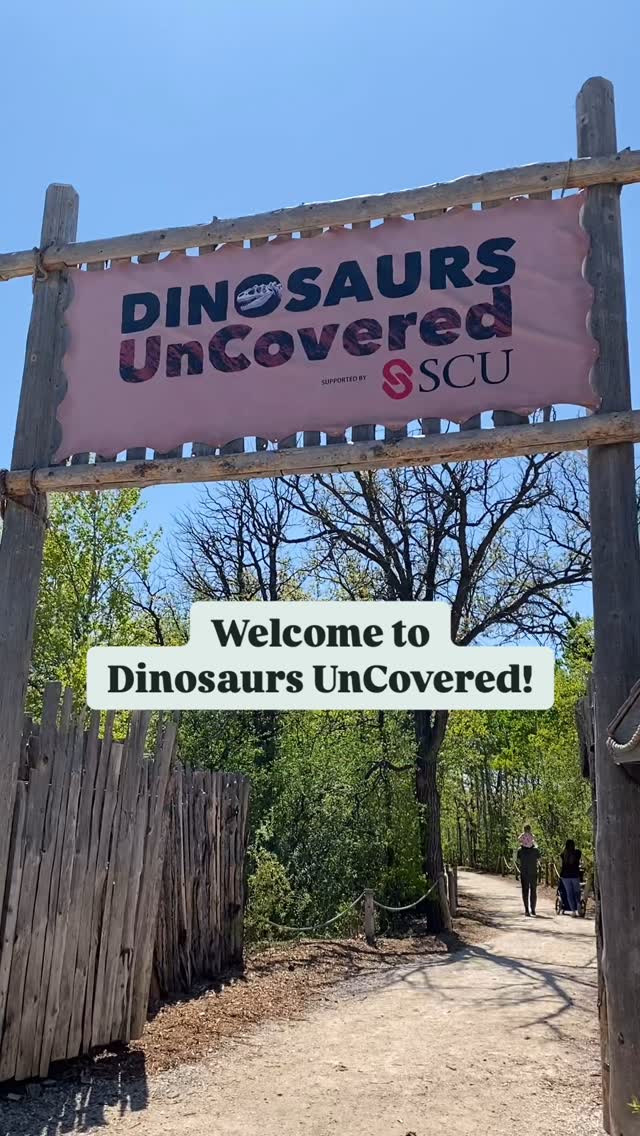
- Dinos are back for the summer at the Zoo! key features and attractions
- The importance of engaging the public with dinosaurs and paleontology
- Educational programs and conservation efforts associated with dinosaur exhibits
- The role of zoos in wildlife conservation and education
- The science behind dinosaur reconstructions and modern interpretations
Dinos are back for the summer at the Zoo! This seasonal event encapsulates a wide range of attractions aimed at both educating and entertaining visitors. Visitors can expect life-sized dinosaur replicas, interactive exhibits, and opportunities to learn about the fascinating lives of these ancient creatures. Such events are designed not simply for amusement, but to promote understanding of paleontology and the importance of conserving our planet’s ecosystems.
The dinosaur exhibits feature several species that roamed the Earth millions of years ago. From the towering Tyrannosaurus rex to the agile Velociraptor, guests have the chance to explore different habitats that these creatures occupied. The exhibit layouts often simulate environments like lush forests and arid deserts, providing a vivid backdrop for these life-sized models. Many zoos also incorporate sounds that mimic what researchers believe dinosaurs might have sounded like. Such immersive experiences allow guests to visualize and understand the scale and diversity of dinosaur life.
The significance of engaging the public with dinosaurs cannot be overstated. Dinosaurs capture the imagination of people of all ages, and this fascination can serve as a powerful tool for education. By sparking interest in paleontology, zoos can encourage the next generation of scientists, conservationists, and environmental advocates. Educators utilize exhibits as a springboard for discussions around evolution, natural selection, and the long history of life on Earth. Moreover, such exhibits remind visitors of the richness of biodiversity and highlight the extinction events that have shaped life on our planet.
Additionally, educational programs associated with these dinosaur exhibits serve as a bridge between the past and present. Many zoos offer guided tours, workshops, and talks with paleontologists. These sessions can provide insight into how scientists discover and interpret fossil evidence. Focused programs can discuss topics such as the fossilization process, geological time scales, and the various species of dinosaurs that existed. The integration of hands-on activities, such as fossil digging for children, enhances learning experiences and fosters a sense of connection to history.
Conservation efforts are another critical aspect of zoo operations, particularly in relation to dinosaur exhibits. While dinosaurs themselves are ancient and extinct, the principles of conservation apply equally to modern species. Zoos frequently play a role in educating the public about the threats to wildlife today, such as habitat loss and climate change. By drawing parallels between ancient extinctions and present-day challenges, zoos can help people understand the urgency of conservation efforts. Keeping these narratives fresh in public consciousness can galvanize support for current endangered species programs.
The science behind dinosaur reconstructions in zoos is a fascinating subject that combines artistry with rigorous scientific research. When creating exhibits, designers rely on findings from numerous disciplines, including comparative anatomy and geology. Researchers study fossilized bones, teeth, and footprints to draw conclusions about dinosaur size, movement, and behavior. The placement of muscles and tissues is also inferred from extant reptiles and birds, the living relatives of dinosaurs. Every exhibit undergoes rigorous validation and is often updated as new discoveries are made. This dynamic nature of scientific inquiry underscores the importance of education; each exhibit can provide insights into the current state of knowledge in paleontology.
In addition to drawing a link between the past and present, dinosaur exhibits can inspire discussions on climate change and biodiversity loss. The extinction of the dinosaurs serves as a reminder of the fragility of life on Earth. Present-day species face crises due to human activity. Many zoos utilize dinosaur themes to alert visitors about ongoing conservation efforts targeted at both iconic and lesser-known species. The connection between extinction events in history and modern threats encourages visitors to think critically about their impact on the environment.
Visual stimuli are critical in enhancing educational experiences. Dinosaurs, by their very nature, fascinate with their sheer size and variety. Interactive elements, such as augmented reality applications or tactile displays, create additional layers of engagement. These elements offer a more comprehensive understanding of how dinosaurs lived, how they interacted with their ecosystems, and what ultimately led to their extinction. Such educational innovations align with contemporary learning methodologies that prioritize experiential education.
Moreover, another facet of this summer event is commercialization. While zoos aim to educate and conserve, the business side cannot be ignored. Special events like Dinos are back for the summer at the Zoo! can generate significant revenue, which in turn supports conservation programs and educational initiatives. Increased foot traffic often leads to more membership sign-ups, donations, and merchandise sales. The income generated helps to fund conservation projects and the welfare of both captive and wild animals.
A broader cultural context is essential when discussing dinosaurs and their role in education. Dinosaurs have occupied a unique place in popular culture, from blockbuster films to animated series. This pervasive imagery influences public perception and interest in paleontology. While entertainment serves its purpose, it is crucial that such portrayals are balanced with scientific accuracy. Many zoos strive to differentiate between entertainment and education, using the initial interest as a platform to share factual information. Incorporating fiction with facts allows the public to explore their fascination while understanding the scientific realities.
The Dinos are back for the summer at the Zoo! event is also an opportunity for partnerships between different organizations. Museums, universities, and research institutions often collaborate with zoos to develop educational content. These partnerships facilitate access to the latest research and increase public outreach efforts. By fostering these connections, zoos can further cement their role as educational hubs within their communities.
The role of zoos extends well beyond entertainment. As educational institutions, zoos also work to inform visitors about sustainable practices that individuals can adopt in their daily lives. The impact of human activity on various ecosystems is increasingly palpable, and zoos often lead by example. Programs that highlight recycling, habitat restoration, and energy conservation are integral to creating stewards of the environment.
Moreover, zoos face the challenge of remaining relevant in an age of digital engagement. Virtual reality and digital media platforms provide another frontier for conservation education. Many zoos have begun to incorporate technology to reach wider audiences, especially those who may not be able to visit in person. Virtual tours and online educational events can complement in-person experiences, expanding their educational reach.
The societal implications of such educational initiatives cannot be overstated. Creating a scientifically literate public is essential for addressing contemporary environmental challenges. Youth outreach programs that intersect with exhibitions like Dinos are back for the summer at the Zoo! can inspire students to pursue careers in the STEM fields—science, technology, engineering, and mathematics. These fields are critical for developing innovative solutions to the environmental issues we face today, making educational efforts not just relevant, but necessary.
As visitors explore these exhibits, they encounter more than just life-sized replicas of long-extinct creatures. They are invited into a larger conversation about life, extinction, and conservation in our time. This multi-faceted approach provides a unique blend of education and entertainment, creating lasting impressions that can influence behavior, attitudes, and policy.
In essence, the Dinos are back for the summer at the Zoo! event serves as more than just a seasonal attraction. It embodies the mission of modern zoos—to educate, engage, and inspire action for wildlife conservation. By effectively utilizing dinosaurs as a focal point, zoos can ignite interest in science while simultaneously addressing pressing environmental issues. Each summer, as families flock to see the dinosaurs, they also take home a deeper connection to the history of our planet and the need for ongoing preservation. Through this vibrant blend of education and attraction, zoos can play an essential role in shaping the future of wildlife conservation and environmental stewardship.
*****
Source Description
Dinos are back for the summer at the Zoo! 🦖🦕
