
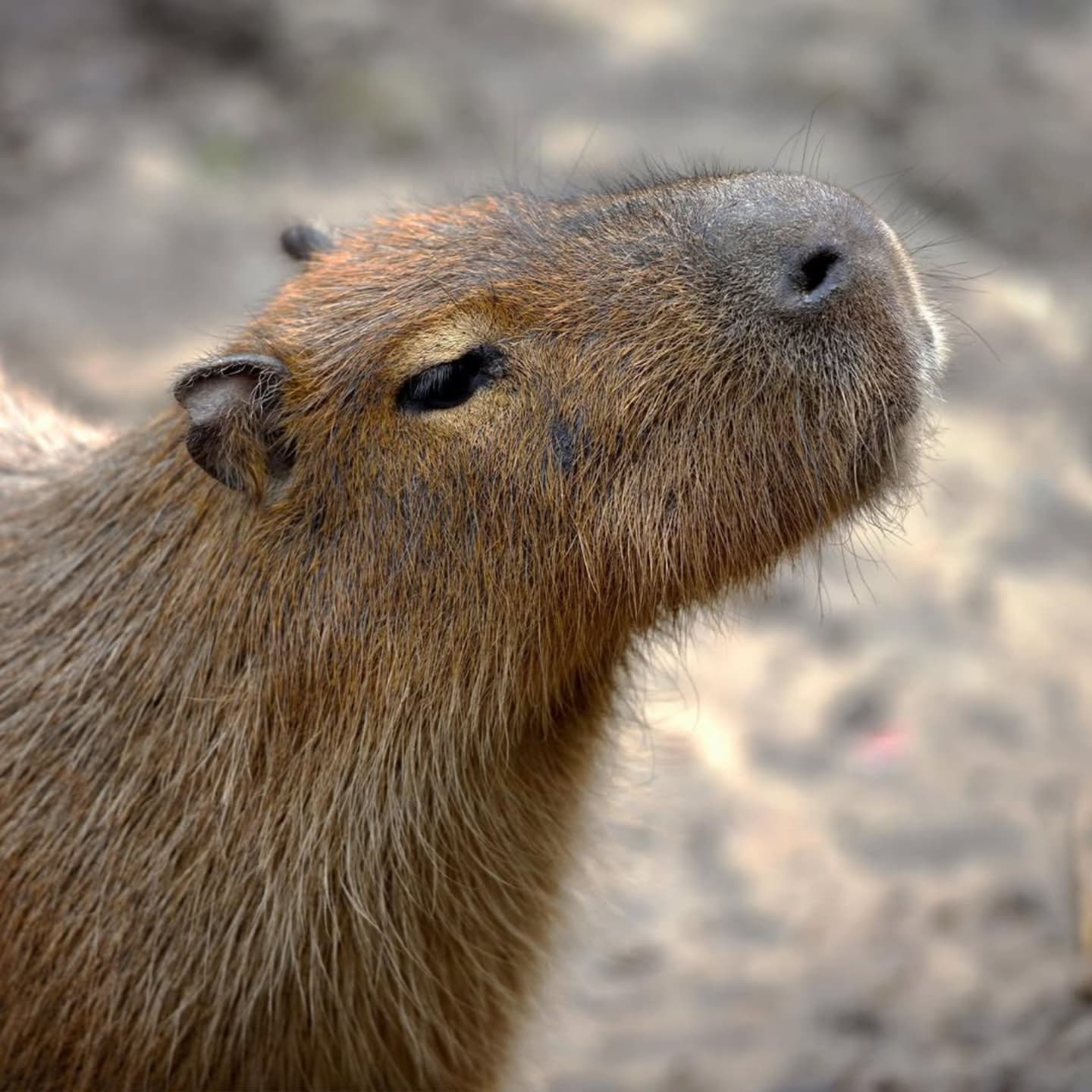
- Explore the fascinating characteristics of capybaras, highlighting their status as the world’s largest rodent and skilled swimmers.
- Delve into capybaras’ social behaviors, focusing on their tranquil nature and interactions with various species.
- Discuss the significance of capybaras in zoological settings, including their role in biodiversity and education at Zoológico Guadalajara.
- Highlight conservation efforts and the importance of capybaras in promoting wildlife awareness and environmental stewardship.
- Examine the global trend and interest in capybaras, and why they have become popular in zoos and among wildlife enthusiasts.
The capybara is gaining attention worldwide for good reasons. As the largest rodent on Earth, they possess unique characteristics, making them a compelling subject of study and admiration. In places like Zoológico Guadalajara, these creatures offer visitors a glimpse into their intriguing world, providing an opportunity to learn about their behaviors, ecological roles, and the value of biodiversity.
Capybaras are not only known for their impressive size but also for their exceptional swimming abilities. They are semi-aquatic and have mastered the art of navigating diverse water bodies. With partially webbed feet and a streamlined body, they efficiently move through water, a skill that serves them well in the marshy and riverine environments they naturally inhabit. Water is essential for their survival—providing hydration, food, and protection from predators.
Social behavior is a hallmark of capybara life. Known for their peaceful demeanor, these rodents live in groups ranging from small family units to large communities of up to 100 individuals. Their complex social structures facilitate cooperation and communal care, which is vital for the survival of young capybaras. They frequently interact with other species, such as birds and other mammals, in their natural habitats and zoo environments. This characteristic makes them an appealing exhibit for zoologists and visitors alike.
The Zoológico Guadalajara offers a chance to observe these behaviors firsthand, emphasizing the importance of biodiversity and ecology. As educational ambassadors, capybaras can teach us about the interconnectedness of ecosystems and the importance of preserving wildlife. Zoos serve as sanctuaries, contributing to the conservation of species that face threats in the wild due to habitat loss and environmental changes.
Conservation efforts are crucial for the sustainability of capybara populations. Although they are not currently endangered, habitat destruction poses a significant risk to their future. Preserving wetland habitats is essential for their survival and the myriad of species that share their environment. Zoos play a pivotal role in these efforts by participating in breeding programs and raising awareness about habitat conservation.
The global fascination with capybaras has been amplified by their appearances in viral content, showcasing their endearing qualities and interactions with humans and animals. This interest can foster a broader conversation about conservation and environmental responsibility. Engaging the public through education and hands-on experiences at zoos can inspire a commitment to preserving our planet’s rich biodiversity.
Overall, capybaras represent an entry point into understanding and appreciating the complex ecosystems they inhabit. By visiting places like Zoológico Guadalajara, individuals can gain insight into the importance of protecting wildlife and the diverse interspecies relationships within natural environments. The trend surrounding capybaras is more than a fleeting moment—it is an opportunity to deepen our appreciation for the natural world and commit to its preservation.
*****
Source Description
¡Los capibaras son tendencia en todo el mundo!
Y en tu ZOOLOGICO GUADALAJARA… ¡puedes conocerlos! 🐾🍃
✨ Datos curiosos:
✅ Son el roedor más grande del planeta
✅ ¡Son excelentes nadadores!
✅ Son tranquilos, sociales y conviven con otras especies.
💬 Vive la tendencia en tu
