
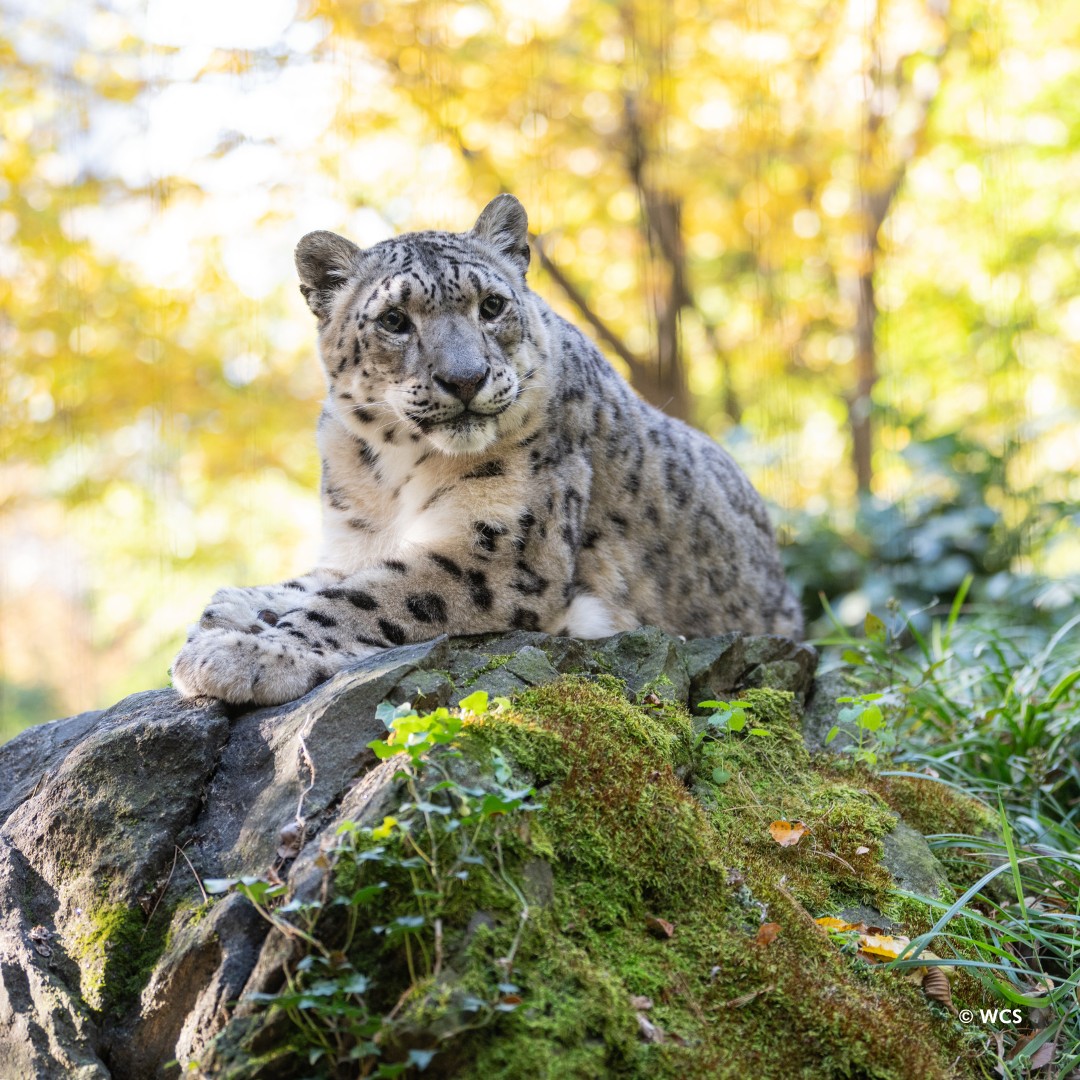
- Explore the educational opportunities for children at the zoo.
- Understand the role of zookeepers and the daily responsibilities involved.
- Discover the significance of animal behavior studies.
- Learn about the importance of wildlife conservation.
- Plan a weekend adventure that includes interactive programs and animal encounters.
Central Park Zoo offers a vibrant array of programs crafted specifically for children. These educational experiences aim not only to entertain but also to enlighten young minds about the wildlife that inhabits our planet. With a focus on hands-on learning, children can immerse themselves in the essential roles that zookeepers play in maintaining animal welfare and conservation efforts.
At the zoo, children who enroll in the Zookeeping 101 program will engage with the daily tasks faced by Central Park Zoo Keepers. This engaging program will provide insights into animal care, nutrition, and habitat management. Children will participate in animal care-themed games, which serve not only as fun activities but also as opportunities to learn critical skills associated with zookeeping.
In this program, children will meet a small ambassador animal, typically a smaller species that can be safely handled. These interactions provide a rare glimpse into the lives of various animals. Learning to handle and understand different species helps foster empathy and respect for wildlife, laying the groundwork for future conservationists. The experience is designed for children in grades three through five and will take place on Sunday, November 16.
Understanding animal behavior is crucial for anyone interested in animal care. When children participate in the dedicated Animal Behaviorists program, they will delve deeper into the world of animal habits and social dynamics. This program is scheduled for the same weekend and aims to engage curious minds in examining how animals communicate and interact with one another. Knowledge of animal behavior is not just an academic pursuit; it plays a significant role in ensuring that animals in zoos remain healthy and mentally stimulated, which is vital for their overall well-being.
Younger children, specifically those in kindergarten through second grade, can participate in the Magnificent Mammals program on Saturday, November 22. This program will focus on mammals commonly found in the zoo. Here, children will learn about animal anatomy, physiology, and what defines these incredible creatures. Guided by knowledgeable staff, young participants will gain insight into the unique adaptations that allow mammals to thrive in their respective environments.
An essential component of zoo education is wildlife conservation. Understanding the importance of biodiversity and the alarming threats faced by many species today is vital for the next generation. During these programs, children will learn about the various conservation efforts in place to protect endangered species and their habitats. Real-world examples will illustrate how zoos contribute to global conservation initiatives, making it clear that the work done in Central Park Zoo extends well beyond its gates.
As children experience these programs, they also participate in hands-on training sessions that introduce them to animal care responsibilities. Basic knowledge about animal nutrition, grooming, and health checks will be conveyed through interactive methods. They will learn about the various diets prescribed for different species and what is necessary for keeping an animal healthy and happy.
Part of this education involves the complex interactions within animal ecosystems. Understanding these relationships is crucial; each species plays a distinctive role that contributes to the larger web of nature. Knowledge about these ecosystems not only enriches the children’s understanding of habitat, but it also cultivates appreciation for the delicate balance required for survival.
The zoo experience is further enhanced by opportunities to explore exhibits showcasing a diversity of species, each with their own adaptations and behaviors. This is not just an outing; it is an education in itself. Observing animals in their enclosures, coupled with discussions from knowledgeable staff, enriches the learning experience. Children will learn to make connections between what they see and the principles shared throughout the programs.
Planning a wild weekend adventure at the zoo offers an excellent family outing. After participating in the educational programs, families can explore the zoo’s exhibits, making real-world connections to the lessons learned. Parents can reinforce the information discussed during the programs, helping children retain knowledge and cultivate a genuine interest in wildlife.
Preparation for this adventure includes purchasing tickets in advance, ensuring smooth entry into the zoo. Families may wish to plan around the program schedules to make the most of their day. It’s also essential to consider appropriate clothing and footwear, ensuring comfort while walking through the various exhibits.
Taking part in guided tours can further enrich the visit. These tours provide insights into the zoo’s operations and the conservation efforts in place. Knowledgeable guides offer additional information that can spark the children’s interest and answer any questions they may have. This interaction can significantly enhance a child’s understanding of wildlife and conservation practices.
A weekend at the zoo can also include creative activities like drawing or journaling about the animals witnessed throughout the day. Encouraging children to reflect on their experiences fosters a deeper connection to wildlife and emphasizes the importance of preserving natural habitats. Parents can guide their children as they document the species observed and the information learned during programs.
Another enjoyable way to engage children during a zoo visit is through scavenger hunts. Creating a list of specific animals, behaviors to observe, or adaptations to find can turn the zoo into a living classroom. These fun activities create an immersive educational experience while keeping children engaged throughout the day.
Central Park Zoo’s commitment to education is reflected in the hands-on programs offered. Children gain valuable insights into the animal kingdom while also fostering an early appreciation for conservation. By empowering young minds with knowledge, the zoo helps cultivate the next generation of wildlife advocates.
Engaging children through exciting educational experiences like Zookeeping 101 and Animal Behaviorists leads to lasting impacts. These programs are not only about fun; they are about understanding the world and our place in it. As they learn more about animals and their habitats, children begin to develop a sense of responsibility for the environment.
Ultimately, these adventures at the zoo go beyond individual experiences. They promote community involvement and awareness, illustrating the importance of working together to protect wildlife. When families participate in educational programs, they contribute to awareness, promoting discussions about conservation at home and in schools.
Zoo administrators and educators recognize the importance of such programs in fostering a love for wildlife. By offering age-appropriate experiences, they ensure that learning about animals and ecosystems is accessible and engaging. The curriculum is carefully crafted to provide a comprehensive understanding of each topic area, leaving little room for ambiguity.
As children navigate the programs, they are simultaneously developing critical thinking skills. They learn to observe, question, and seek information. These skills not only benefit them in this environment but will serve them in other educational pursuits throughout their lives.
Wildlife education is an evolving field, and zoos like Central Park are leading the way in educational outreach. With ongoing advancements in animal care knowledge and conservation strategies, these programs will undoubtedly continue to adapt. This evolution will ensure that they remain relevant and effective in imparting knowledge to future generations.
The zoo offers a setting where children can explore and learn about the natural world in a dynamic way. As they engage with the programs on offer, they not only become informed about zookeeping but also about the larger implications of their learning. They will be equipped with the knowledge to advocate for wildlife conservation, allowing them to play a role in safeguarding the planet.
Booking a weekend adventure filled with these enriching experiences creates a lasting memory for families. Engaging with wildlife while learning essential information about zoo management and conservation encourages a lifetime love for the natural world. With programming tailored to children of various ages and structured to promote engagement, a visit to Central Park Zoo can be a transformative experience for young explorers.
*****
Source Description
Explore our programs for children, and plan a wild weekend adventure at the zoo with Zookeeping 101. In this hands-on program, children will discover what it takes to tackle the daily responsibilities of Central Park Zoo Keepers. We’ll play animal care-themed games, meet a small ambassador animal, and visit zoo exhibits as part of our training! 3rd–5th graders are invited to join us on Sunday, November 16, for Animal Behaviorists, and K–2nd graders can join us on Saturday, November 22, for Magnificent Mammals. Learn more and register: Link in Profile.
