
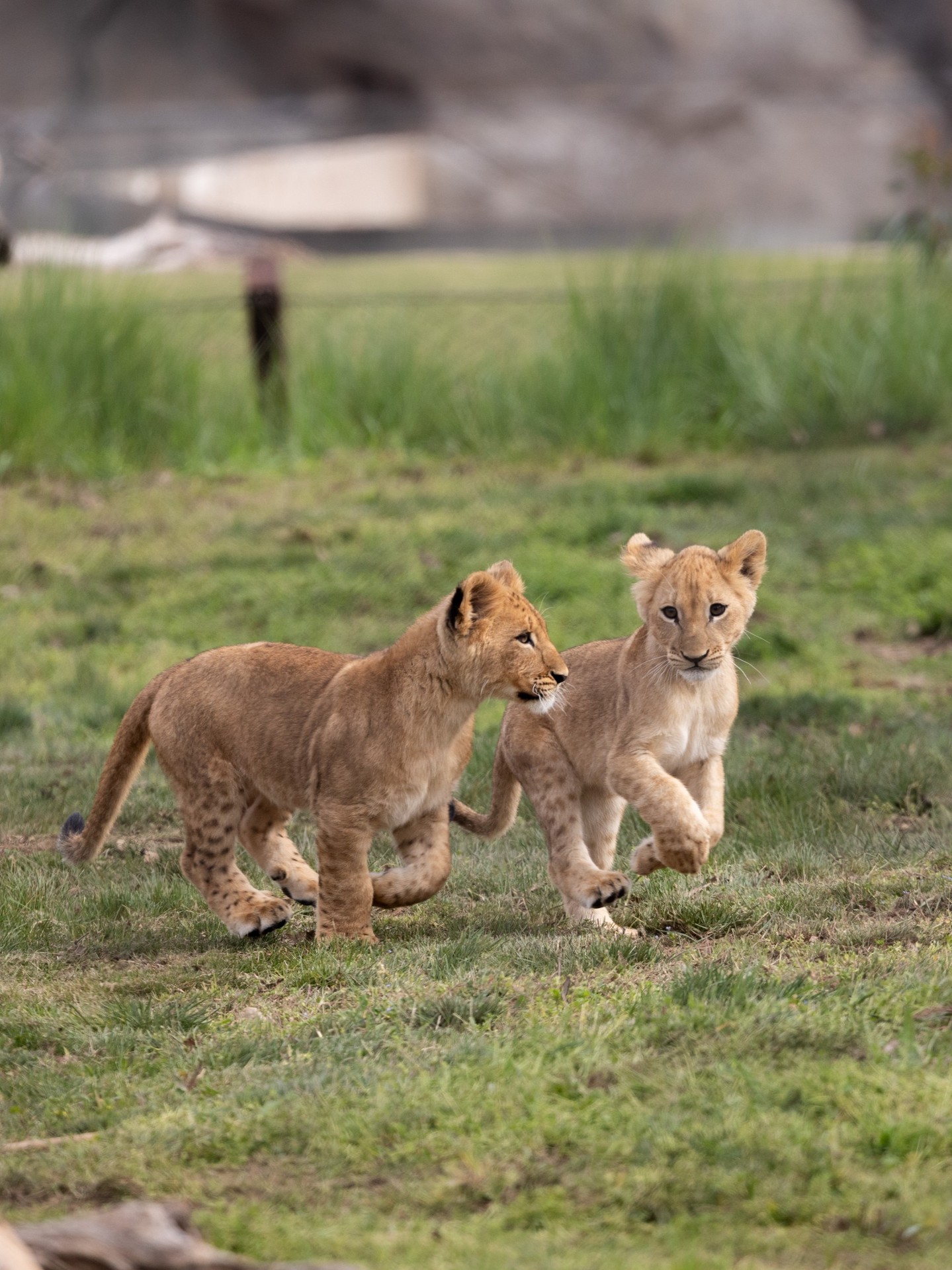
- Celebrating Taraj and Asali’s First Year
- Understanding Lion Cub Development
- Importance of Zoo Management and Animal Welfare
- Challenges Facing Lion Populations in the Wild
- The Role of Wildlife Conservation Initiatives
Celebrating Taraj and Asali’s First Year
Today, we gather to celebrate a remarkable milestone in the lives of our lion cubs, Taraj and Asali, who are turning one year old! Over the past twelve months, these cubs have charmed visitors and staff alike with their playful antics and adorable features. Their journey from tiny, helpless infants to energetic, curious cubs has been documented extensively, providing a heartwarming glimpse into the life of these incredible animals. Utilizing the zoo’s camera roll, we can reflect on their early wobbles, first roars, and captivating interactions with their environment. Each snapshot captures not just a moment in time but also highlights the essential role that zoological institutions play in educating the public about wildlife.
Understanding Lion Cub Development
The first year of a lion cub’s life is pivotal for its growth and development. Lion cubs typically weigh around 3 to 4 pounds at birth, relying entirely on their mothers for nourishment and protection. Both Taraj and Asali experienced this critical phase in a nurturing environment, allowing them to thrive.
During the first few weeks, lion cubs are highly vulnerable. Their eyes remain closed for the first week, rendering them defenseless. By two to three weeks, their vision improves, and they begin to explore their immediate surroundings. This exploration phase is essential to their cognitive and social development. For Taraj and Asali, early interactions with their mother and the zoo staff facilitated their adjustment to their environment and helped build the muscle strength they would need for pouncing and playing.
As the cubs grow, their diet gradually shifts from mother’s milk to more solid food, following a diet rich in meat, which is crucial for their development. By six months, they start to hunt and learn social behaviors that will be essential in their adult lives. Their playful wrestling matches, chases, and vocalizations become more frequent, demonstrating essential learning experiences. This experimentation not only hones their physical skills but also strengthens their social bonds, laying the groundwork for their adult interactions.
Importance of Zoo Management and Animal Welfare
Effective zoo management practices ensure the health and well-being of animals like Taraj and Asali. The ethical treatment of animals has evolved over the years, moving towards a model that prioritizes their welfare, encourages natural behaviors, and focuses on conservation education.
In our zoo, every decision related to Taraj and Asali is made with their best interests in mind. This includes habitat design, dietary planning, and veterinary care. Enclosures are designed to mimic natural environments, allowing the cubs to engage in behaviors such as climbing, hiding, and exploring.
Veterinary staff closely monitor the health of Taraj and Asali through regular check-ups. Vaccinations, parasite control, and nutritional assessments are all part of their healthcare regimen. These actions prevent diseases and help maintain a healthy population within the zoo. Furthermore, behavioral enrichment is provided to stimulate both mental and physical activities. This applies to exercise equipment, scents, and objects that challenge Taraj and Asali, ensuring they remain engaged and active.
Challenges Facing Lion Populations in the Wild
While maternity and early growth in captivity can be monitored effectively, wild lion populations face significant challenges. Across Africa, lions are listed as Vulnerable by the International Union for Conservation of Nature (IUCN), and their numbers have dwindled over the past few decades due to habitat loss, poaching, and human-wildlife conflict.
Habitat loss is primarily driven by agricultural expansion and urban development, which fragment lion territories and limit their natural range. This not only leads to reduced prey availability but also increases chances of conflict with humans. When lions encroach upon livestock areas, retaliatory killings can occur, further diminishing their numbers.
Poaching remains a major threat, exacerbated by illegal wildlife trade. Body parts like bones and claws are sought after in some cultures, resulting in increased hunting pressure on already vulnerable populations. Conservation programs critically focus on addressing these issues through community education, anti-poaching efforts, and habitat restoration projects.
The Role of Wildlife Conservation Initiatives
Wildlife conservation initiatives are vital in ensuring that species like Taraj and Asali do not face extinction. Zoos play a crucial role in these efforts by participating in breeding programs aimed at preserving genetic diversity, particularly in endangered species.
In addition to breeding programs, many zoos engage in rewilding efforts. Initiatives to reintroduce captive-bred lions to their natural habitats are becoming more prevalent. These programs often involve extensive training and acclimatization to the wild, increasing their chances of survival once reintroduced.
Public engagement and education are other pillars of wildlife conservation. By showcasing the story of Taraj and Asali, we can raise awareness about the challenges faced by lions in the wild. Educational programs, community outreach, and collaborations with local organizations further enhance conservation efforts by fostering a sense of responsibility towards wildlife.
Moreover, technological advancements have become a game-changer in wildlife conservation. Modern tracking methods, including GPS collars, allow researchers to monitor animal movements and behaviors in real-time. This data is invaluable for understanding the social dynamics of lion prides and assessing the effectiveness of conservation strategies.
The narrative of Taraj and Asali is woven into the larger tapestry of wildlife conservation and zoo management. Their journey from birth to one year serves not just as an engaging story, but also as a reflection of the complex interplay between animal welfare, conservation efforts, and the responsibility of humanity to protect our natural world. Each roar they emit and every playful pounce serves as a reminder of their presence and significance in our ecosystem. Observing their growth empowers us to champion the causes that help preserve these magnificent creatures for future generations.
*****
Source Description
Our lion cubs, Taraj and Asali, are turning ONE today! 🎉🦁
Take a stroll down memory lane (or should we say mane?) and relive a year full of roars, pounces, and pure cub cuteness caught on our ZCS’s camera roll!
