
- Introduction to the Turtle Survival Alliance’s conservation efforts in Costa Rica.
- Significance of studying non-marine turtles in Central America.
- Details of the initial expedition and its findings.
- Challenges and strategies for ongoing turtle conservation.
- Acknowledgements and collaboration with local and international partners.
Costa Rica is a land where nature thrives. In this vibrant country, the phrase “Pura Vida,” or “Pure Life,” represents a commitment to preserving the natural world. This ethos aligns perfectly with the conservation efforts by the Turtle Survival Alliance, who have recently launched a mission in Costa Rica aimed at the conservation of turtles with little available research. This initiative focuses on non-marine turtles in Central America, a group long neglected in scientific inquiries.
Conservation Efforts in Costa Rica
Turtle Survival Alliance’s new conservation project in Costa Rica seeks to address the lack of attention given to freshwater turtles. These species hold significant ecological roles within their habitats. They help maintain aquatic ecosystems by consuming vegetation and contributing to nutrient cycling. Yet, our understanding of their behavior, range, and population remains limited. This project aims to enrich the body of knowledge on freshwater turtles through a comprehensive study involving genetic sampling and habitat mapping.
The Importance of Non-Marine Turtle Studies
The non-marine turtles of Central America have been largely ignored, with minimal studies exploring their habitats. Understanding these turtles is vital for conservation biology. Freshwater turtles face threats from habitat destruction, pollution, and illegal trade. By studying these species, we can implement informed conservation strategies, potentially reversing trends that endanger them.
These species contribute to the delicate balance of their ecosystems. Researching their roles allows conservationists to advocate effectively for their protection. By gathering data, scientists can press for legal protections and engage local communities in stewardship efforts.
Initial Expedition Insights
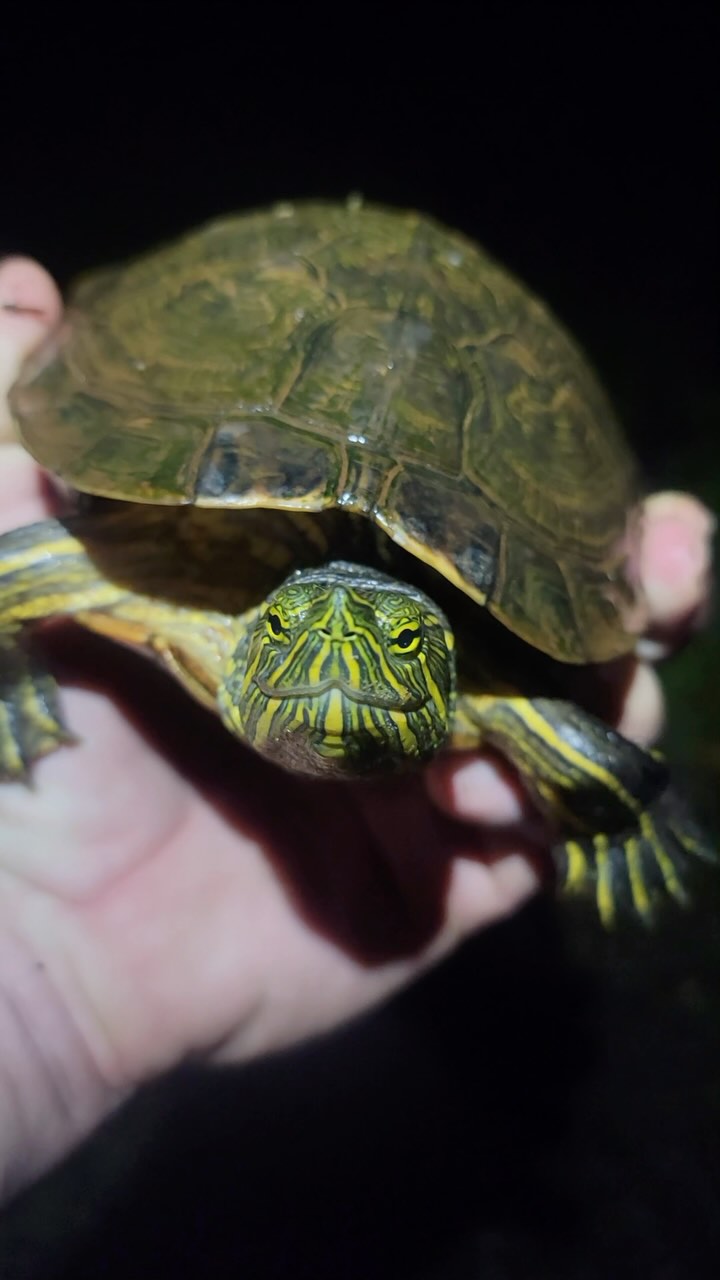
The first expedition in this ambitious multi-year study took place earlier this year. It prioritized identifying locations for trapping turtles and collecting genetic samples to understand speciation better. The expedition marked a significant milestone with the capture and release of more than 100 turtles, representing the four species in the Pacific Southwest region: the South American Snapping Turtle, White-throated Mud Turtle, White-lipped Mud Turtle, and Panamanian Slider.
These findings are crucial. They offer a glimpse into the population dynamics and distribution of these species. This data will guide future expeditions and sampling sites, ultimately contributing to a more holistic view of the turtle population in Costa Rica.
Challenges and Strategies for Conservation
Despite this progress, challenges remain. Freshwater turtles in Central America encounter numerous threats, from land conversion for agriculture to pollution in rivers and streams. Addressing these issues requires coordinated efforts from scientists, conservationists, and governments. Conservation strategies must focus on habitat protection, pollution control, and community education.
Conservation teams employ various methods, including genetic analysis and ecological monitoring, to ascertain the health of turtle populations. Education plays a crucial role, with outreach programs designed to foster community participation in conservation efforts. By setting up workshops and training local citizens, conservationists can ensure long-term protection and awareness.
Collaborative Efforts and Appreciation
This expedition would not have succeeded without the collaboration and support of local partners like CRWild, which managed logistics and site access. Their role as field partners highlights the importance of community involvement in scientific endeavors. Moreover, support from SWCA Environmental Consultants and a generous anonymous donor has been instrumental, providing financial resources and expertise to propel the project forward.
These partnerships underscore a shared commitment to ecological preservation. Conservation work thrives on collaboration, blending local knowledge with scientific expertise to safeguard biodiversity.
As the study progresses, more expeditions are planned to further map and analyze these turtle species. The data collected will be pivotal in addressing conservation challenges and guiding policy decisions.
By focusing on the “Pura Vida” philosophy, the Turtle Survival Alliance’s work in Costa Rica not only helps protect endangered species but also preserves the vibrant ecosystems that are essential for life. This dedication serves as a model for conservation efforts worldwide, reminding us of the interconnections between humanity and nature.
*****
Source Description
In Costa Rica, there’s a saying: Pura Vida—or “Pure Life.” What better way to describe conservation?
This spring, Turtle Survival Alliance launched conservation work in Costa Rica to find and map species of turtles, specifically, species with little to no published studies. The non-marine turtles of Central America—including those in Costa Rica—have been largely overlooked, with few studies conducted on their ecology and population status. This new multi-year study was launched with our first expedition earlier this year.
The goal of the trip was to identify locations to trap turtles and collect genetic samples, helping to better understand the speciation of freshwater turtles in Costa Rica. This first trip was a success, resulting in the capture and release of over 100 turtles representing all four of the species that inhabit the Pacific Southwest region: the South American Snapping Turtle (Chelydra acutirostris), White-throated Mud Turtle (Kinosternon albogulare), White-lipped Mud Turtle (Kinosternon leucostomum), and Panamanian Slider (Trachemys grayi panamensis).
We look forward to more expeditions to Costa Rica to get a fuller picture of these species, contributing to their greater conservation efforts.
This expedition was made possible by our local hosts, CRWild @cr.wild, for managing logistics, securing site access, and serving as outstanding field partners.
We also thank SWCA Environmental Consultants @swcaenvironmental and an anonymous donor for their continued support—both through financial contributions and by enabling their employees to lend their expertise to this critical work.
Video by Cesar Barrio Amorós, Cristian Porras Ramirez
@cesarbarrioamoros @cporrasramirez
