
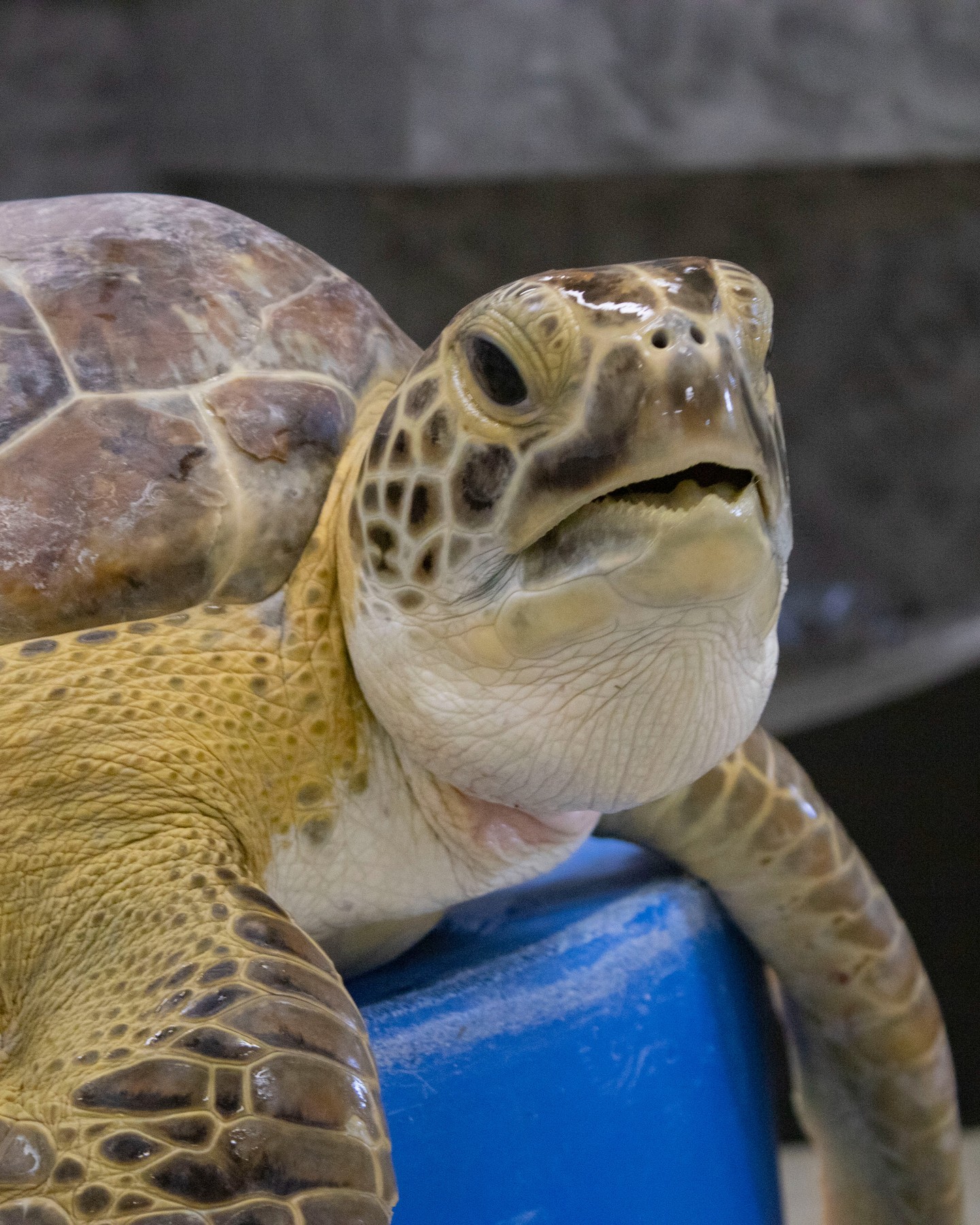
- Rehabilitation of sea turtles like Vader and the impact of human activity
- Understanding the dangers of marine debris and its effect on wildlife
- The importance of conservation efforts for sea turtles
- How the Sea Turtle Healing Center operates and cares for its patients
- Next steps in the recovery process for sea turtles like Vader
Vader, a green sea turtle named after the iconic "Star Wars" villain, exemplifies the critical intersection of wildlife conservation and human responsibility. Found struggling to survive with commercial fishing line constricting its throat, Vader’s story highlights both the fragility of marine life and the imperative need for proactive management of our ecosystems. The line was so tightly wrapped that it not only compromised Vader’s ability to breathe but also led to distressing raspy sounds, reminiscent of the infamous dark lord. His case is a powerful reminder that many of the threats facing sea turtles today stem from human activities.
The rehabilitation of sea turtles like Vader is a complex but essential task. At the Sea Turtle Healing Center, a dedicated team of veterinarians and marine biologists work tirelessly to ensure that injured turtles receive the care they need to thrive. The center functions at the intersection of compassion and science, using advanced veterinary practices alongside humane treatment methods. The staff closely monitor Vader’s condition, adjusting treatment plans as necessary to ensure the turtle’s recovery progresses smoothly. Proper hydration, nutrition, and medical interventions are crucial components of the healing process for sea turtles, particularly those suffering from injuries inflicted by marine debris.
Marine debris, particularly from fishing activities, poses a significant threat to sea turtles worldwide. Often overlooked, the dangers associated with discarded fishing gear, such as lines, traps, and nets, are profound. Sea turtles can easily become entangled in this debris, leading to injuries or even drowning. A staggering amount of plastic and other waste finds its way into our oceans each year. This pollution not only endangers the turtles but also disrupts entire marine ecosystems. Educating the public about these dangers is essential in fostering a sense of responsibility and stewardship over our oceans.
Raising awareness about conservation efforts for sea turtles is another crucial avenue for change. Initiatives like the Sea Turtle Preservation Society work to promote responsible fishing habits and educate the community about the impacts of marine debris. These organizations advocate for sustainable practices and conduct research to support ongoing conservation efforts. Raising funds for such initiatives is vital. The rehabilitation of turtles not only saves lives but also plays a significant role in maintaining biodiversity and balancing the ecosystems they inhabit.
The operational framework of the Sea Turtle Healing Center is built on a strong foundation of community support and a commitment to scientific research. This dual approach allows the center to address both immediate patient care and broader conservation goals. Staff members are trained in advanced medical techniques tailored for aquatic animals. Rehabilitation can involve everything from surgical interventions to physical therapy designed for marine life. By fostering a compassionate environment, the center prepares each turtle, like Vader, for a successful return to their natural habitat.
For turtles like Vader, the next steps in the recovery process are critical. After receiving treatment for their injuries, turtles undergo a series of evaluations to determine their fitness for release back into the ocean. These assessments evaluate various factors including physical health, swimming ability, and overall resilience. The goal is not just to release a turtle but to guarantee that it can thrive in its natural environment upon return. Before release, turtles are tagged with unique identifiers to assist in tracking their movements and health post-rehabilitation. This valuable data supports ongoing research and assists in shaping future conservation efforts.
Human actions play a profound role in the survival of sea turtles. Fishing gear should always be cleaned up after use, and any discarded items must be properly disposed of to avoid becoming marine debris. If individuals encounter sea turtles in distress, swift action is essential. Contacting the Sea Turtle Preservation Society at 321-206-0646 can lead to timely rescue and treatment, potentially saving lives. The outreach by conservation organizations cannot be understated. They work diligently to provide educational resources, community engagement programs, and volunteer opportunities that promote active participation in conservation.
In summary, the journey of Vader illustrates the urgency of addressing both injuries caused by human actions and the need for conservation efforts aimed at protecting the ocean’s inhabitants. Each turtle that comes into rehabilitation represents a connection to the larger ecosystem and a chance for renewal. As Vader continues to mend under expert care, it symbolizes hope and resilience in the face of considerable challenges. The responsibility lies with all of us to act thoughtfully, protecting both sea turtles and the broader marine environments they inhabit.
Everyone can contribute to the future of sea turtles through individual actions. Whether participating in beach clean-ups, advocating for policy changes, or simply sharing information about protecting marine life, community involvement is fundamental. Additionally, supporting organizations like the Sea Turtle Healing Center through donations or volunteer work creates ripple effects that benefit the ecosystem as a whole.
The story of Vader is not just a tale of recovery; it is a call for action and awareness. By coming together to address the issues facing marine wildlife, we can help ensure that future generations will witness sea turtles thriving in their natural habitats, unhindered by the dangers of human negligence. The force truly is strong with the next generation of conservationists and the hope they carry for resilient ocean ecosystems.
*****
Source Description
The Force is strong with one of our sea turtle patients! 🐢
ㅤ
Vader, named after the notorious “Star Wars” villain, was found with commercial fishing line wrapped around their throat. The line was wound so tightly that it prevented Vader from breathing properly, making their breathing sound raspy and Darth Vader-esque.
ㅤ
Our team quickly got to work, and we are thrilled to share that Vader is thriving under our care! However, we also recognize that these injuries were preventable. Unfortunately, our Sea Turtle Healing Center sees many turtle patients that have been harmed by derelict fishing gear. Remember, if you go fishing, everything you bring with you should be packed up and removed from the beach or pier when you head home. And, if you see a sea turtle struggling, be sure to call the Sea Turtle Preservation Society immediately at 321-206-0646.
ㅤ
Vader is already on the mend and will be released back into the ocean soon! We will keep you updated on how this little green is doing. 🌊
ㅤ
For more on Vader, check out our blog! Link in bio. 🔗
