
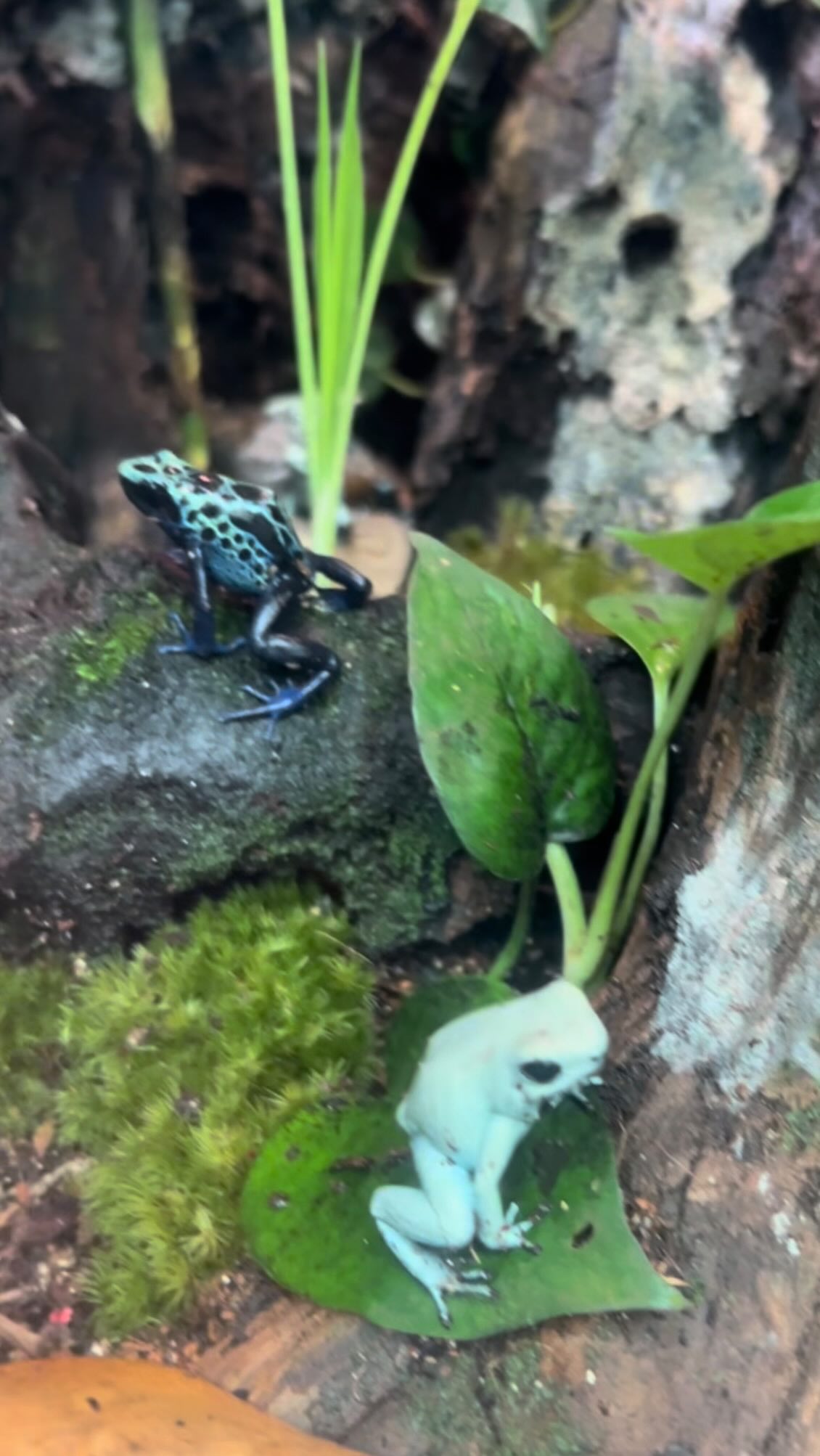
- The role of dart frogs in ecosystem health and conservation efforts.
- Key components of maintaining the dart frog habitat at the Audubon Aquarium.
- The importance of substrate, plants, and moisture control in habitat upkeep.
- Innovative techniques like "moss smoothies" for promoting frog well-being.
- The educational aspects and visitor engagement in presenting dart frogs.
Dart frogs are vibrant amphibians that play a significant role in the health of their ecosystems. At the Audubon Aquarium, maintaining their habitat goes beyond aesthetics; it involves a comprehensive understanding of their environmental requirements. These frogs are bioindicators, meaning that their health directly reflects the condition of their environment. A decline in dart frog populations may indicate broader ecological problems, including habitat loss, pollution, and climate change. Conservation efforts focused on these frogs are crucial not just for their survival, but also for the overall health of the ecosystems they inhabit.
Creating the ideal habitat for dart frogs is a multifaceted process that involves keen attention to details. The fundamental components include selecting the right substrates, plants, and moisture levels. Each element plays a vital role in mimicking their natural habitat, which consists of tropical rainforests. The substrate used must promote drainage while providing a habitat for microorganisms that can enrich the ecosystem. Choices like coconut coir or organic soil help maintain moisture without becoming waterlogged, crucial for dart frog survival.
Plants are another essential aspect of the habitat. Various species provide cover, breeding sites, and food sources. Because dart frogs tend to inhabit the forest floor and the lower canopies, plants such as ferns and bromeliads create the necessary structure for these amphibians. These plants not only contribute to visual appeal but also serve functional purposes, like providing humidity and shade. When the aquarium refreshes its plant lineup, it’s about more than just variety; it ensures that the biological needs of the frogs are met.
Moisture control is another critical factor in maintaining a healthy habitat for dart frogs. These amphibians require a high humidity environment, often between 70% and 90%. Regular misting of the habitat recreates the tropical conditions they thrive in. The aquarium uses specialized systems to automate misting schedules, ensuring the environment remains consistently moist. This system helps prevent the substrate from drying out, which is crucial for the overall health of the frogs.
One of the more unconventional methods employed in habitat maintenance is the use of "moss smoothies." This technique involves blending different types of moss, which forms a nutrient-rich slurry. The application of this smoothie aids in creating a healthy, microbial-rich environment within the habitat. The moss not only enhances the visual structure but also aids in moisture retention and provides additional nutrition for the frogs as they interact with their surroundings. The use of moss smoothies exemplifies how innovative techniques can improve habitat quality and contribute to the well-being of the dart frogs.
In maintaining the dart frog habitat, the Audubon Aquarium places great emphasis on education and visitor engagement. By offering insights into the intricacies of amphibian care, the aquarium fosters a deeper understanding of ecological balance among its visitors. Programs often highlight the connection between local and global conservation efforts. Through interactive exhibits, guests can learn about the importance of dart frogs and the role they play in their natural environments.
Furthermore, the aquarium advocates for biodiversity and highlights ways in which individuals can contribute to conservation efforts. This might include responsible pet ownership practices, reduction of plastic use, or participating in local conservation programs. By drawing connections between individual actions and large-scale impacts, the Audubon Aquarium engages visitors in meaningful dialogue.
Getting hands-on with habitat maintenance also encourages teamwork among staff and volunteers. Regular cleaning procedures are paramount, as they help prevent the spread of diseases and ensure that the frogs have a safe living space. Staff routinely check for signs of distress in the dart frogs, which helps maintain a healthy population within the exhibit. Such proactive measures play a key role in the overall health of the dart frog community.
Another essential aspect of care includes dietary considerations, as dart frogs require specific diets rich in insects, particularly small fruit flies. Understanding the nutritional needs of dart frogs allows the aquarium staff to plan appropriate feeding regimens. This attention to diet helps boost the resilience of the frogs against illness and stress. Handling feeding responsibly promotes a thriving dart frog population within the exhibit.
In addition to their vibrant colors and intriguing behaviors, dart frogs possess various adaptations that help them survive in their native habitats. For example, their skin secretes toxins that deter potential predators. Different species have evolved varying levels of toxicity, often influenced by their diets. This fascinating aspect highlights the interconnectedness of diet, environment, and evolutionary health. Knowing these facts can add layers to the visitor experience at the aquarium, offering deeper appreciation for these amphibians.
Education extends to conservation ethics as well. Credit for dart frog care is multifaceted, involving teams of herpetologists, aquarists, and plant specialists who work in unison. The collaborative nature of these roles further emphasizes the importance of multidisciplinary efforts in conservation. Each team member brings their expertise to the table, allowing for informed decision-making in habitat maintenance. This collaborative approach not only fosters a healthy ecosystem for the frogs but also serves as a valuable example of teamwork in environmental stewardship.
Regular habitat evaluations are essential to ensuring that the needs of the dart frogs are met. Staff regularly monitor environmental parameters such as temperature, humidity, light exposure, and water quality. Any fluctuations may necessitate immediate adjustments to prevent stress or health issues in the frogs. These checks are not just reactive; they are integrated into the routine practice of habitat management.
The Audubon Aquarium also participates in broader conservation initiatives aimed at protecting amphibian populations. This includes partnerships with organizations that focus on habitat preservation, research on amphibian health, and participation in breeding programs for endangered species. By aligning with global efforts, the aquarium plays a crucial role in raising awareness and spearheading initiatives that target the conservation of all amphibians, not just dart frogs.
Every aspect of dart frog habitat maintenance at the Audubon Aquarium is engrained with educational purpose. The institution serves as a platform for discussion regarding amphibian decline, habitat destruction, and the implications of climate change on biodiversity. By contextualizing dart frogs within larger ecological conversations, visitors are empowered to think critically about their role in environmental health.
Pathways to engagement are further promoted through events like “Frog Fridays” or educational workshops where guests can participate in the habitat care process. These initiatives not only captivate visitors but also enrich their understanding of responsible interaction with ecosystems.
As a result, the dart frog habitat at the Audubon Aquarium transforms into more than a simple exhibit; it becomes an interactive learning center. Tourists, students, and nature enthusiasts alike walk away equipped with knowledge and inspiration. Through enlightening discussions, touching experiences, and practical conservation information, the aquarium cultivates future generations of environmental stewards.
In maintaining dart frog habitats, consistent upkeep and rigorous monitoring are essential. Yet, it’s the passion for education and community involvement that makes this aquarium an effective advocate for amphibian conservation. Each dart frog cared for represents a bridge between the aquarium and the broader ecological challenges we face. By understanding the science, appreciating the individual roles of these frogs, and participating in conservation efforts, society can work toward a more sustainable future.
*****
Source Description
Ever wonder what goes into maintaining Audubon Aquarium’s dart frog habitat? Fresh substrate, a brand-new plant lineup, and…a moss smoothie? (yes, really). This refresh helps keep the habitat clean, healthy, and hoppy for our frogs! 🐸
