
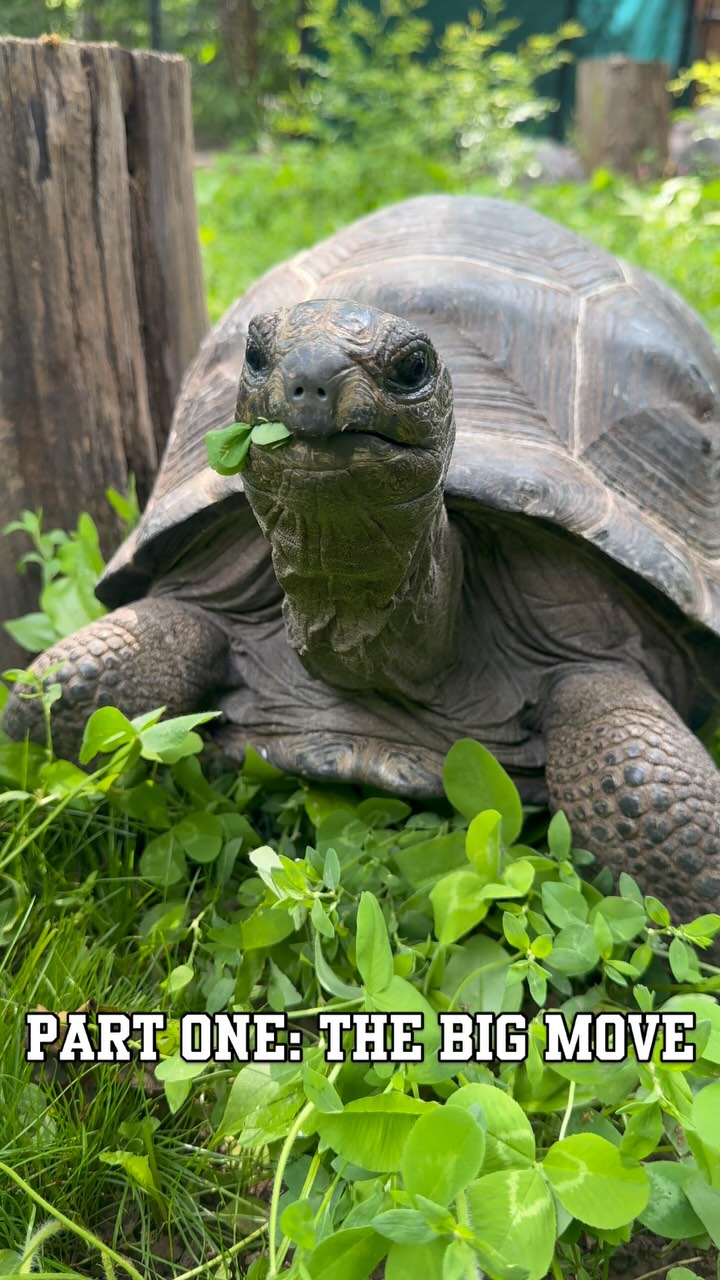
- The annual journey of Aldabra and Galápagos tortoises from winter to summer habitats.
- The role of dietary incentives in motivating tortoises and their interactions during transit.
- Identification techniques used for managing diverse animal populations in zoos.
- The historical context and significance of tortoises in zoo environments.
- Conservation and educational value of tortoise habitats and public engagement.
Each year, the Aldabra and Galápagos tortoises partake in a remarkable journey from their winter quarters in the Animal Hospital to their summer abode in the Sahara yard. This event represents the intricate collaboration between zoo staff and these ancient reptiles, providing a unique insight into both the animals’ behavior and the logistical efforts involved in zoo management. The journey is emblematic, not just for its logistical complexity, but for the dedication required to ensure the health and happiness of these tortoises.
The tortoises’ transition between their seasonal homes begins with careful planning by the zoo staff. Transporting these gentle giants is no small task, given their substantial size and slow pace. To incentivize movement, staff appeal to one of their most significant motivators: food. Carefully selected snacks are offered along the route, encouraging these giants to proceed towards their sunlit destination. This approach not only facilitates the transition but also strengthens the bond between the animals and their caretakers.
During the journey, the tortoises interact with their fellow zoo inhabitants, such as Liski the leopard and the curious guinea fowl Bert and Ernie. These interactions are carefully monitored by zookeepers to ensure the safety and well-being of all animals involved. The route also passes by notable landmarks, including the statue of Jalopy, a legendary tortoise that once captivated visitors with its impressive longevity. These experiences enrich the tortoises’ environment, offering mental stimulation as they promenade at their natural pace.
Identification of each tortoise is made simple through microchipping, a common practice in modern zoos that ensures accurate tracking and management. To quickly identify individuals, the last three digits of their microchip numbers are painted on their shells. This practice, when performed correctly, poses no harm to the animals and assists caretakers in providing daily care tailored to each animal’s needs.
Tortoises are not merely residents of the zoo but are symbols of resilience and natural history. Their presence provides zoological institutions with an opportunity to educate the public on conservation issues and the ecological significance of these shelled reptiles. Aldabra and Galápagos tortoises hold a special place in conservation efforts due to their endangered status, with their existence in zoos aiding in the broader efforts to preserve species.
The annual migration of the tortoises is a poignant reminder of the commitment zoos make to wildlife conservation. These institutions serve not only as attractions but as vital centers for education and the protection of biodiversity. Public engagement through events and educational programs fosters a connection between visitors and the animals, promoting awareness about conservation challenges and inspiring future generations to advocate for environmental stewardship.
Zoos must balance the care of their inhabitants with education and conservation missions. Successful management of animal populations involves expertise in animal husbandry, veterinary care, and environmental sustainability. Each tortoise’s journey is a testament to the dedication of zoo staff who strive tirelessly to provide safe, enriching environments for these ancient creatures.
In sum, the journey of the Aldabra and Galápagos tortoises is a profound reflection on the importance of careful planning, cross-species interaction, and the technological tools employed in modern zoo management. Through these efforts, zoos continue to play a pivotal role in the conservation of endangered species while offering invaluable educational opportunities for the public.
*****
Source Description
Ever wonder how our giant tortoises get to their summer home? The answer: slowly… and with snacks.
This week, our Aldabra and Galápagos tortoises made their annual trek from their cozy winter quarters in the Animal Hospital to their sunny summer spot in the Sahara yard. With the help of some food motivation (and very patient staff and interns), they took a scenic stroll through the zoo—greeting Liski the leopard, catching the curious eyes of guinea fowl Bert and Ernie, and even passing by the statue of their legendary predecessor, Jalopy.
And if you’re wondering about the numbers on their shells—each animal at the zoo is microchipped for ID, and we safely paint the last three digits on their shells to make identifying them easier during daily care.
Check back later today for part two: their first day back in the sun!
