
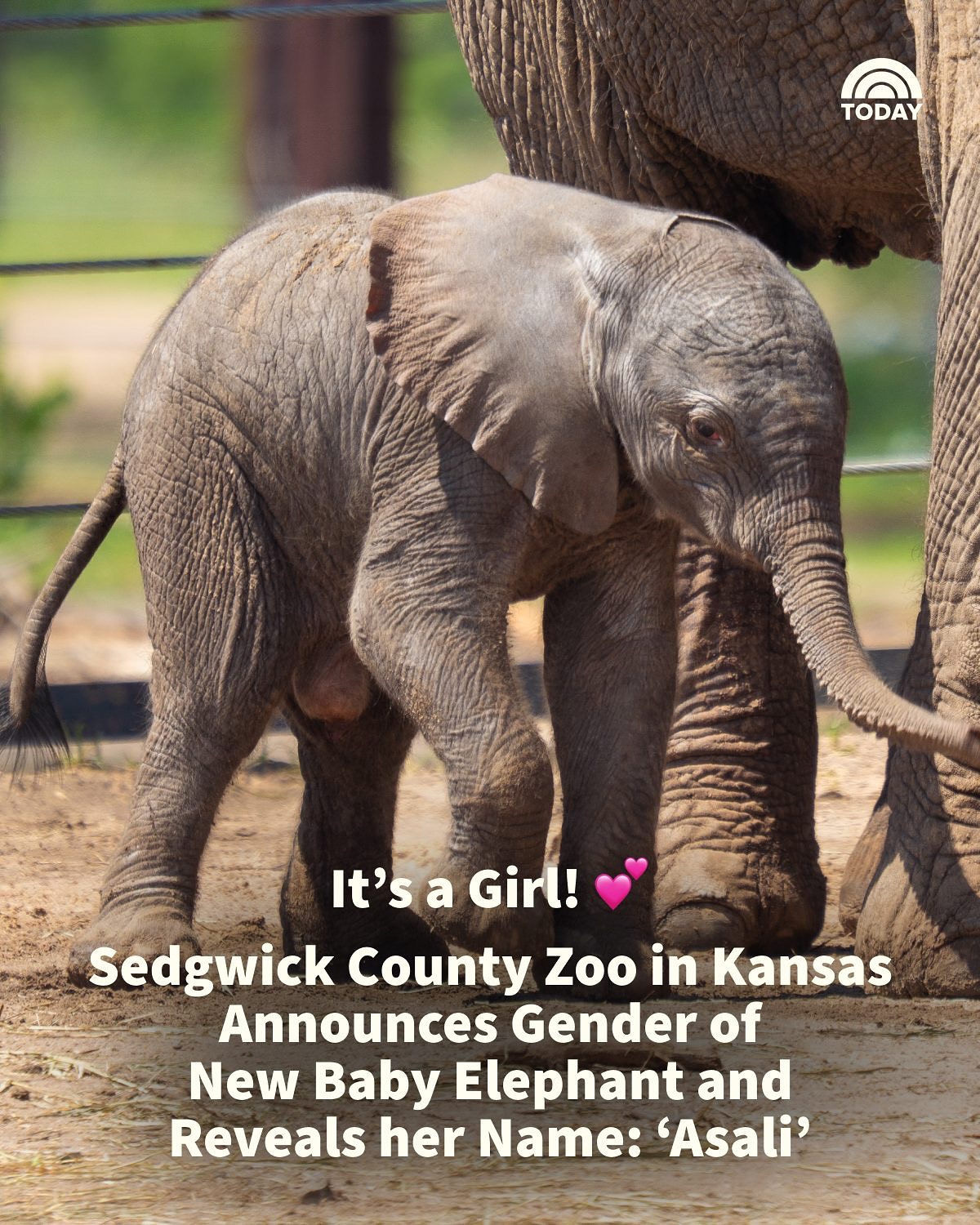
- The significance of Asali’s birth and its impact on conservation efforts.
- Details on the African Elephant, highlighting its biological features and habitat.
- Overview of the zoo’s breeding program and its role in wildlife conservation.
- The social structure and behavior of elephants, including their familial dynamics.
- Importance of zoological parks in education and awareness for species preservation.
The birth of Asali, an African Elephant, marks yet another milestone for conservation efforts globally. Asali’s arrival is a symbol of hope and encourages ongoing initiatives to protect the largest living land mammal from the threats they face in the wild.
African Elephants are renowned for their immense size and intelligence. They are characterized by large ears, used for thermoregulation, and a remarkable trunk that serves manifold functions—from feeding to social interactions. Adult females typically weigh between 5,000 to 7,000 kilograms and can reach up to 3.3 meters in height. Found primarily in sub-Saharan Africa, these majestic creatures occupy diverse habitats, including savannas, forests, and deserts.
Asali’s birth emphasizes the critical role zoological institutions play in breeding programs. These programs are crucial for maintaining genetic diversity and creating a safety net for endangered species. The zoo’s welcoming of three baby elephants this year, including Bomani and Kijani, underscores a successful breeding strategy. Breeding in captivity, managed by scientific assessments and genetic reviews, helps preserve species threatened by habitat loss and poaching.
The social fabric of elephant groups, or herds, reveals their complex societal behaviors. Matriarchal by nature, elephant herds are led by the oldest female, who holds vast knowledge of migratory routes and water sources. Mothers, aunts, and sisters work collaboratively, nurturing calves and providing them with protection and education. This cohesive structure aids in the development of younger elephants, passing on learned skills crucial for survival.
Zoological parks play an indispensable role in educating the public about the significance of conserving wildlife. By providing visitors an opportunity to observe animals up close, zoos inspire a deeper appreciation and awareness for biodiversity. Interactive exhibits, educational programs, and conservation talks help raise awareness about the plight of endangered species like the African Elephant.
The celebration of Asali’s birth transcends beyond a moment of joy. It rejuvenates efforts and commitment to wildlife conservation and provides an opportunity to educate about the pressing issues these magnificent creatures face. The ongoing success of breeding programs and the educational platforms offered by zoological parks form a critical synergy in our efforts to safeguard these animals for future generations.
*****
Source Description
It’s a girl! 🐘 💕
Asali is an African Elephant, the largest living land animal!
This is also third baby elephant the zoo has welcomed this year. The other two, Bomani and Kijani, were born four days apart in mid-April. And they’re expecting one more baby in late August/September! 🍼 🍼
📸: @sedgwickcountyzoo
