
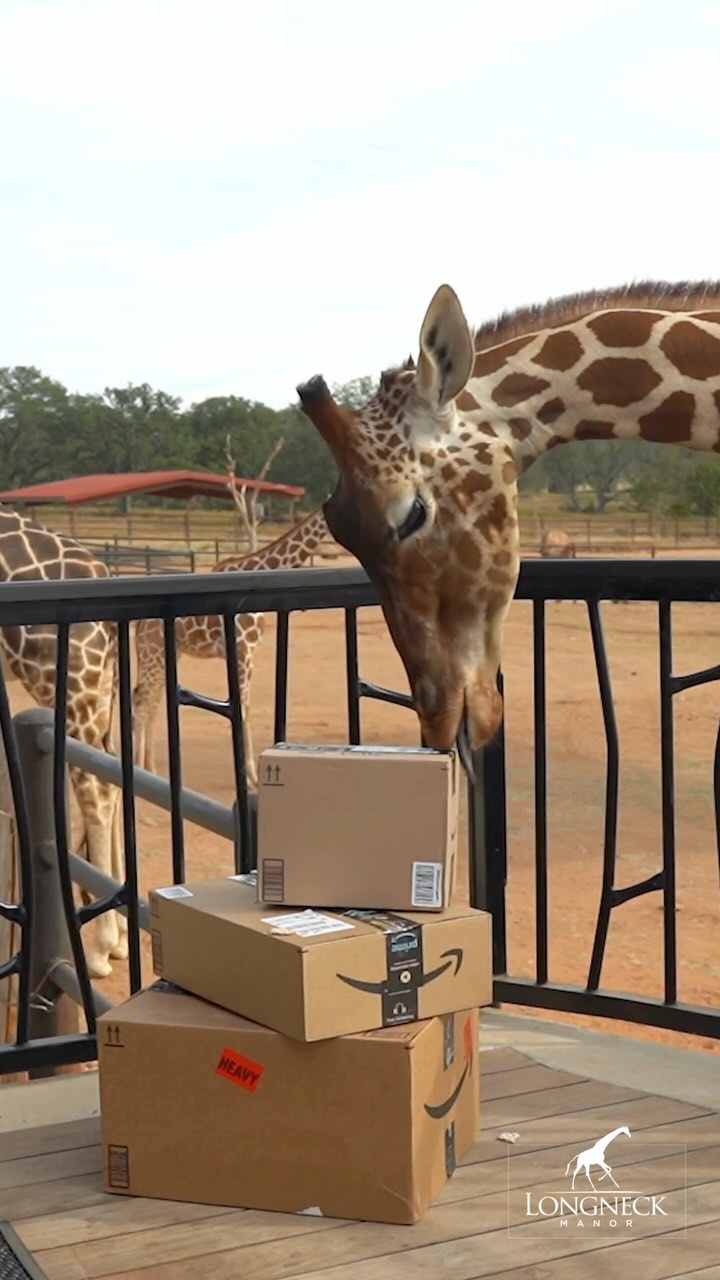
- The importance of wildlife conservation and its impact on biodiversity
- Strategies for effective zoo management in relation to animal welfare
- The role of public engagement and donor support in conservation efforts
- Educational initiatives that promote awareness of zoology and environmental stewardship
- Ways to get involved in wildlife conservation efforts through our website
Wildlife conservation has become increasingly vital as human activities impact ecosystems around the globe. The decline in biodiversity not only threatens species but also disrupts entire ecosystems and the services they provide. The conservation of wildlife is paramount for maintaining ecological balance and ensuring that future generations inherit a world rich in biodiversity. Through various strategies, organizations can work towards preserving these invaluable resources.
Successful zoo management plays a crucial role in wildlife conservation. Zoos have evolved from mere showcases of animals to important centers for education, research, and breeding programs. These institutions focus on creating enriching environments that cater to the physical and psychological needs of animals. Effective management practices include habitat replication, nutrition optimization, and veterinary care. In recent years, there’s been an emphasis on ethical considerations and rigorous care standards for all species.
Donor support is essential in bolstering conservation efforts. Financial contributions allow for the expansion of breeding programs, habitat restoration initiatives, and education campaigns. By exploring our website, interested individuals can find various avenues to contribute to these causes. The information provided demonstrates how monetary support translates directly into positive outcomes for wildlife and their habitats.
Education is another critical component in promoting awareness about zoology and ecological preservation. Formal programs offer hands-on experiences, engaging the public and educators alike. Workshops, school visits, and community events can cultivate a deeper understanding of animal behavior and conservation needs. Through these initiatives, participants not only learn but also become advocates for wildlife.
Finally, ways to get involved in conservation efforts can be easily accessed through our website. It offers numerous resources, including volunteer opportunities and donation options. Interested individuals can also find information on local conservation projects, educational workshops, and how they can play a significant role in wildlife preservation.
Wildlife conservation is essential for maintaining biodiversity, a key factor in ecological stability. Each species has a role that contributes to the functioning of its ecosystem, from pollinators like bees to apex predators that regulate prey populations. Diminishing population numbers disrupt these intricate relationships. Consequently, prioritizing the protection of species through conservation efforts ensures the health of the planet.
Furthermore, zoo management practices have undergone significant transformation. Modern zoos are increasingly committed to animal welfare, focusing on the psychological well-being of their residents. Creating environments that mimic a specific animal’s natural habitat is key to achieving this goal. This can include enrichment activities that stimulate mental and physical activity. Such initiatives not only benefit the animals but also enhance the visitor experience by providing real insight into animal behaviors and welfare needs.
Public engagement is a cornerstone of successful conservation strategies. When individuals feel connected to wildlife, they are more likely to support conservation initiatives. Donor contributions significantly enhance these efforts, funding necessary projects that promote the survival of endangered species. By visiting our website to explore ways to give, individuals can see the direct impact their support can make on wildlife conservation.
Educational initiatives also play an indispensable role in fostering a culture of conservation. Schools and educational institutions contribute greatly by integrating science curricula that include wildlife education. Field trips to zoos and wildlife reserves can have lasting impacts on students. Such experiences can generate interest in zoology and inspire future generations to take part in conservation efforts.
Lastly, mobilizing community involvement through accessible information is crucial. Our website serves as a hub for those interested in learning more about conservation opportunities. From making donations to participating in local wildlife observations, every action counts. Individuals can contribute to restoring and preserving natural habitats while gaining valuable knowledge about the ecosystems around them.
Engaging in conservation efforts is not just a passing trend; it is a necessity for the preservation of our planet. Each visitor to our website could be the turning point in ensuring that endangered species receive the support they need. By exploring the website, visitors will find an array of options aimed at empowering them to make a tangible difference in their communities. This synergy of education, public support, and responsible zoo management is vital to creating a sustainable future for wildlife.
Wildlife conservation is a pressing issue that requires ongoing commitment towards protecting biodiversity. Every species, regardless of size or visibility, plays a role in its ecosystem. Failing to address their decline can have severe ramifications, not just for the animals but for the entire web of life. To spearhead effective change, it’s crucial that we rally together as a global community committed to these efforts.
Zoo management continues to adapt to new challenges, employing modern techniques to improve animal care and welfare. By focusing on comprehensive programs that prioritize both species conservation and education, zoos can create lasting impacts. A well-managed zoo operates as a sanctuary for animals while simultaneously functioning as an educational resource for the community.
The importance of donor support cannot be overstated. Contributions to wildlife conservation programs facilitate essential activities, from research funding to habitat restoration projects. This alignment of financial support with conservation objectives addresses immediate threats to various species. Exploring the options provided through our website can reveal how individuals can contribute to these impactful missions.
Education initiatives elevate awareness about the significance of zoology in daily life. By introducing students to various ecological processes, they gain insight into the interconnectedness of species. Understanding these relationships fosters empathy towards wildlife and encourages proactive measures for preservation. Utilizing community-based initiatives helps bridge the gap between knowledge and action, making conservation efforts more relatable and achievable.
Access to our website offers a plethora of ways to engage in conservation work. Whether it’s through donation or active participation, individuals can play a part in vital conservation projects. Beyond simply increasing funding for initiatives, fostering this relationship between donors and conservation efforts creates an informed public, better equipped to tackle ecological challenges.
Wildlife conservation can greatly benefit from a collaborative approach. By harnessing the expertise of zoologists, educators, and caring public citizens, we can work together towards shared goals. Each species that thrives contributes to the betterment of the planet and, in turn, supports human livelihoods.
Educational outreach remains an avenue for promoting positive change. Schools and informal learning settings serve as platforms for building awareness. When students understand the pressing issues animals face, they become equipped to advocate for safeguarding their environments. Encouraging critical thinking and discussion about conservation helps establish a knowledgeable community invested in sustainable practices.
Overall, supporting wildlife conservation is an essential component of responsible global citizenship. Taking action to protect endangered species can seem daunting but is imperative for ensuring biodiversity in the future. By engaging with local organizations and exploring ways to support, individuals can take meaningful steps towards making a lasting impact. Our website serves as a key resource for all those who wish to contribute to this critical cause.
Every action, no matter how small, adds up to significant change. By directly engaging with wildlife conservation through education, giving, and involvement, individuals can foster an environment where biodiversity thrives. Understanding the intricacies of animal behavior and conservation needs is vital in creating effective strategies to protect our planet. Together, we can cultivate healthier ecosystems that benefit both wildlife and humanity.
*****
Source Description
Ready to make an impact? Explore our website to learn more about ways to give, or call us today to explore your options.
