
- The role of Tchompitoulas alligators in their ecosystem
- The significance of feeding sessions at the Audubon Aquarium
- Best practices in zoo management and animal care
- The relationship between wildlife conservation and public education
- The impact of human interaction on alligator behavior and habitat
The Tchompitoulas alligator, a significant species within its ecosystem, thrives in the wetland habitats of Louisiana. These reptiles are not just fascinating creatures but also play a crucial role in maintaining the health of their environment. As apex predators, they help regulate populations of fish and crustaceans, promoting a balanced aquatic ecosystem. Additionally, their nesting behaviors contribute to the creation of wetlands and the overall biodiversity of the region.
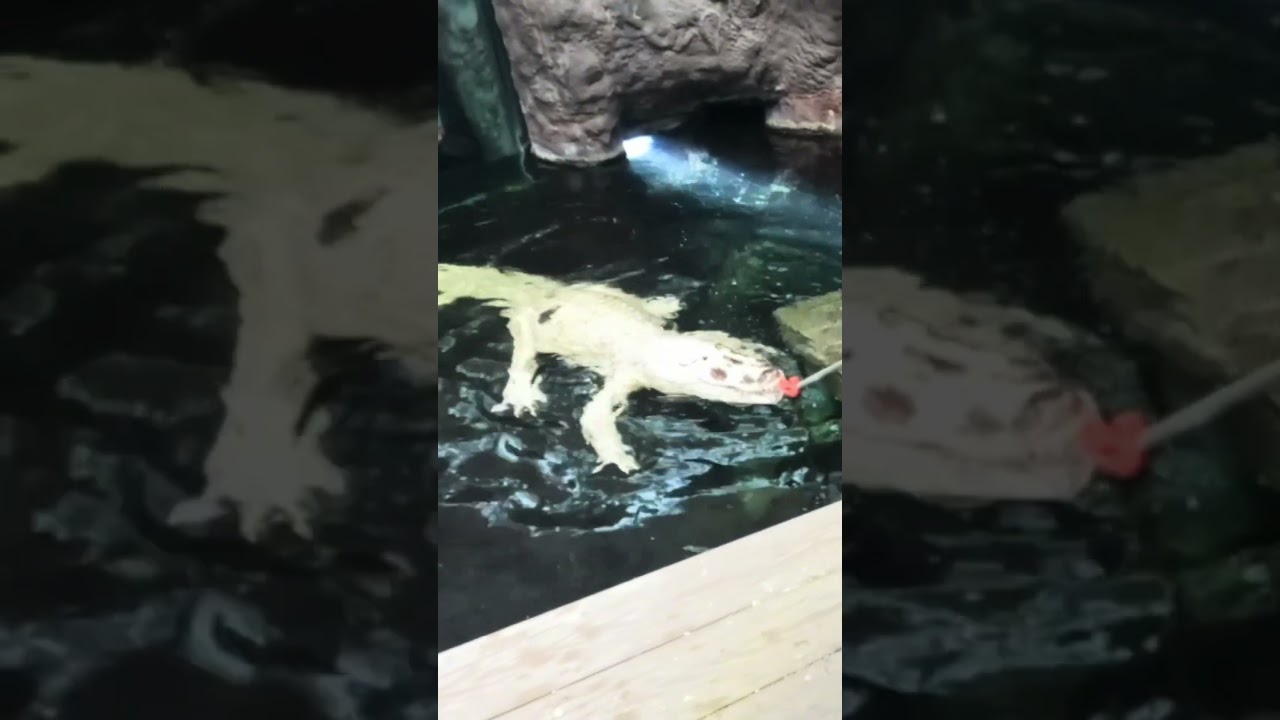
Alligator feeding sessions at the Audubon Aquarium stand as lively demonstrations of both the animal’s feeding habits and the aquarium’s commitment to education. These sessions typically feature trained staff who provide insight into the alligator’s biology, behavior, and ecological importance. Visitors can witness how these powerful creatures hunt and consume their prey, often showcasing live fish and appropriate proteins. Such displays not only captivate audiences but also function as a platform to teach about aquatic environments and the species that inhabit them.
Zoo management practices are vital in ensuring the well-being of the animals in their care. Audubon Aquarium employs a combination of behavioral enrichment and dietary control to maintain the health of the Tchompitoulas alligators. Behavioral enrichment ensures that these reptiles engage in natural behaviors, which is crucial for their physical and psychological health. The feeding session acts as both an educational tool and a means of stimulating the alligator’s natural instincts.
Public education is at the forefront of modern wildlife conservation efforts. The Audubon Aquarium’s programs aim to foster a greater understanding of ecosystems and biodiversity through hands-on learning experiences. By engaging the general public in discussions about conservation, the aquarium sheds light on the critical issues facing alligator populations and their habitats. The interactions between visitors and alligators serve as a reminder of our role in protecting wildlife and the urgency of conservation efforts.
It is interesting to note how human interactions influence alligator behavior. While these creatures are typically shy and elusive in their natural habitats, the controlled environments at the aquarium allow them to become accustomed to human presence. This acclimatization can facilitate research into their behavior and contribute to conservation strategies. However, it’s crucial to approach such interactions with care, as overstimulation or inappropriate handling can lead to stress or altered behaviors in alligators.
The Audubon Aquarium conducts feeding sessions following strict guidelines to promote animal welfare while educating the public. A typical session might involve a staff member explaining the alligator’s diet, which can include fish, small mammals, and various proteins. This highlights the importance of offering a nutritionally balanced diet, reflective of what they would consume in the wild. The staff often clarify how the alligator’s powerful bite and specialized digestive system enable it to consume prey whole.
Scientific principles inform the management practices at Audubon. Research indicates that well-structured feeding sessions can lead to enhanced well-being in captive alligators. For instance, studies have shown that varied feeding techniques not only stimulate their natural hunting instincts but also contribute to optimal digestive health. Observing and recording the alligator’s reactions during feeding sessions provides valuable data on their behavior and health status.
The significance of these feeding sessions extends beyond mere entertainment. They serve as critical moments for education, where zoo visitors can ask questions and learn firsthand about the intricacies of alligator life. By fostering a connection between the audience and the alligators, the aquarium enhances people’s understanding of the challenges these animals face in the wild. The more informed the public is about wildlife conservation, the more likely they are to support efforts to protect habitats and species at risk.
Issues affecting alligator populations include habitat loss due to urbanization and pollution. The Audubon Aquarium plays a role in advocating for systemic changes to address these threats, utilizing its platform to promote awareness. Collaborative efforts with local conservation groups are fundamental in ensuring the sustainability of both alligator and wetland habitats. Education remains a cornerstone of these initiatives, serving to inspire individuals to take action within their communities.
Raising awareness through these educational feeding sessions encourages visitors to become active participants in conservation. From promoting wetland restoration projects to supporting policies aimed at reducing pollution, attendees are empowered to make a difference. Simple actions like participating in clean-up events or advocating for green spaces in urban planning can have meaningful impacts on local ecosystems.
In recent years, research has shown that public awareness campaigns can significantly affect conservation outcomes. Programs that feature charismatic species, such as Tchompitoulas alligators, are particularly effective in mobilizing communities around environmental issues. Their captivating behavior and adaptive nature resonate with audiences, reinforcing the importance of preserving their habitat. These efforts also highlight the interconnectedness of species, illustrating how the loss of one can lead to repercussions across an entire ecosystem.
Human activities such as habitat modification and agricultural expansion continue to threaten wild populations. Understanding the long-term effects of these actions is imperative for conservationists. The Audubon Aquarium’s mission actively addresses these challenges by focusing on community engagement and public education. By informing the public about the delicate balance within ecosystems, we can inspire proactive measures to mitigate harm.
The relationship between zoo management and animal care cannot be overstated. Successful programs at facilities like the Audubon Aquarium rely on the expertise of trained zoologists and animal caretakers. Continuous professional development ensures the staff is well-versed in animal behavior, nutrition, and the latest research in wildlife management. This knowledge translates into better care practices, ensuring the alligators receive the highest standard of care possible.
In supportive environments such as aquariums and zoos, Tchompitoulas alligators can thrive while simultaneously serving an educational purpose. Interactive learning experiences cultivate curiosity and foster a sense of stewardship among visitors. These initiatives highlight the essential role that avenues such as the Audubon Aquarium have in advancing ecological literacy and conservation.
Observations made during feeding sessions are not solely for educational purposes; they also serve as a means of tracking the health and behavior of the alligators. Changes in feeding habits or reluctance to engage in feeding can indicate underlying health issues that require attention. By maintaining detailed records of each alligator’s behavior during these sessions, animal care teams can identify trends and respond promptly.
The ethical considerations surrounding wildlife displays at zoos have evolved alongside societal expectations. Audubon Aquarium prioritizes not just the welfare of its animals but also the transparency of its practices. Efforts are made to engage the public in open conversations about animal care and conservation, reducing misinformation and fostering trust.
Feeding sessions also incorporate discussions about the role of alligators within their ecosystem. As a keystone species, Tchompitoulas alligators significantly influence the structure of their environments. Their presence helps to modulate the populations of various fish and amphibians, directly affecting ecosystem harmony. This interconnectedness is a vital lesson imparted during educational demonstrations, emphasizing the need for balanced ecosystems.
In order to maintain sustainable populations, it is critical to advocate for policy changes that protect natural habitats. The Audubon Aquarium engages in ongoing advocacy efforts to support legislation aimed at conserving wetlands and aquatic environments. Collaborations with conservation organizations amplify these messages, providing robust support for initiatives that benefit both wildlife and people.
As visitors immersed in the feeding session absorb these teachings, they are encouraged to reflect on their relationship with nature. Each interaction has the potential to inspire a new generation of conservationists, equipped to face the challenges ahead. Fostering a deep appreciation for wildlife is key in promoting stewardship for both local and global ecosystems.
The unique experience of observing a Tchompitoulas feeding at the Audubon Aquarium not only captivates audiences but also plays a critical role in wildlife conservation. These sessions bridge the gap between natural behaviors and scientific understanding, making them indispensable in promoting awareness and action. By engaging communities and teaching about the complexities of ecosystems, we can create a future where humans and wildlife thrive in harmony.
*****
Source Description
