
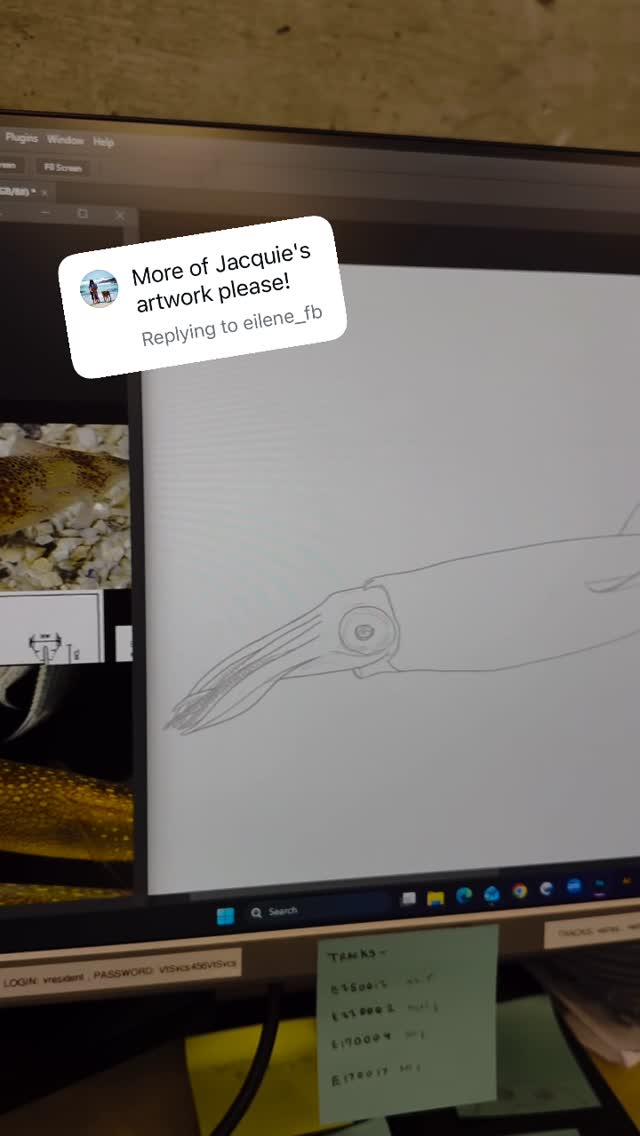
- The role of scientific illustration in conservation efforts.
- An overview of the longfin inshore squid and its ecological significance.
- The combination of different artistic techniques in creating scientific illustrations.
- The impact of visual content on public awareness of marine life.
- Exploring the collaboration between artists and scientists in environmental education.
Scientific illustration plays a vital role in conservation efforts by communicating complex biological information through visual means. These illustrations are not merely artistic expressions; they are crucial tools for education, research, and advocacy. By accurately representing various species and their habitats, artists help bridge the gap between scientific communities and the general public. This is particularly essential for conveying messages related to wildlife conservation, like the ongoing efforts to protect endangered marine species.
The longfin inshore squid (Doryteuthis pealeii) serves as an important case study in this context. Found predominantly along the Atlantic coast of North America, this species has adapted to various marine environments. Its significance extends beyond being a typical cephalopod. Longfin inshore squids contribute to oceanic food webs, acting as prey for larger fish, birds, and marine mammals. Understanding their biology, behavior, and the ecosystems they inhabit is crucial for assessing the health of marine environments. The longfin inshore squid is also a focal point for research and educational outreach initiatives. By showcasing such a species in illustrations, organizations like Seafood Watch aim to promote sustainable fishing practices, thereby improving marine conservation.
Jacquie’s latest project, creating an artwork of the longfin inshore squid, signifies an intersection between science and art. Using advanced software like Photoshop for initial color testing, Jacquie combined various artistic techniques in her final piece, utilizing watercolor, gouache, colored pencil, and gel pen. This fusion not only brings vibrancy to the squid’s natural coloration but also accentuates specific anatomical features essential for understanding the species’ biology. For instance, the transparent skin and intricate patterns can help inform fishermen and consumers about this species’ sustainable harvesting methods.
The combination of traditional and digital techniques in scientific illustrations highlights the evolving approaches in this field. Watercolor and gouache create soft textures and natural color variations, while colored pencils allow for fine details and layering. Gel pens add unique highlights and contrasts that make the illustration pop. Each medium contributes differently, making the final artwork both educational and visually stunning.
Visual materials have a profound impact on public awareness and understanding of marine life. Studies have shown that people are more likely to engage with conservation messages when they are accompanied by attractive visuals. Such illustrations can evoke emotional responses, prompting viewers to learn more and take action. Simple yet powerful images can effectively communicate complex ecological concepts in an accessible manner. As Jacquie’s artwork will appear in Seafood Watch’s emails, assessment trackers, and news reports, it will serve a critical function in raising awareness about the longfin inshore squid and its conservation status.
The collaboration between artists and scientists is an essential aspect of contemporary environmental education. This partnership allows every discipline to contribute its strengths, merging artistic creativity with scientific accuracy. Artists bring a unique perspective that can change how biological information is presented, making it more relatable and understandable. On the other hand, scientists provide the necessary factual background that ensures the illustrations are grounded in reality. Together, they foster a culture of learning that can stimulate interest in marine biology and conservation.
Jacquie’s work exemplifies this collaboration in action. Not only does she create a scientifically accurate portrayal, but she also crafts an image that resonates with broader audiences. As she brings the longfin inshore squid to life, her efforts reflect a commitment to educating others about marine ecosystems and the importance of preserving them. Her illustrations have the potential to inspire individuals to consider their actions, particularly regarding seafood consumption. This reflects a collective responsibility, reminding us that ocean conservation rests on the choices we make daily.
Furthermore, Jacquie’s artistic journey does not just focus on anatomical accuracy. It also involves investigating the species’ preferred habitats, behaviors, and environmental pressures they face. By illustrating the longfin inshore squid, she educates viewers about the delicate balance of marine ecosystems. This understanding can encourage better decision-making, whether it’s selecting seafood choices or supporting conservation initiatives.
The contribution of artistic endeavors to scientific documentation and education should not be overlooked in a digital age. While technology offers many tools, the human touch in illustration maintains its importance. It adds a personal element that engages the viewer on a deeper emotional level. In a world filled with information, art can penetrate the noise, making scientific topics more approachable and inspiring curiosity.
Engaging with the artwork of marine life can lead to an increased interest in ocean conservation. Programs like Seafood Watch not only focus on sustainability but also aim to connect consumers with scientific data. By using illustrations in their outreach, they encourage mindful consumption and environmental stewardship. As individuals become more aware of the ecological impacts of their choices, they can contribute positively to ocean health.
The longfin inshore squid represents more than just a species waiting to be understood. It is an indicator of ecosystem health and a marker of sustainable practices in seafood consumption. By spotlighting the longfin inshore squid through Jacquie’s artwork, Seafood Watch empowers consumers to make informed decisions. This underscores the critical impact of art on science communication and conservation efforts.
Moreover, as Jacquie advances in her role as a scientific illustrator, she continues to learn more about the broader issues facing marine life. Each brushstroke represents not just the squid but the collective efforts to maintain biodiversity. This artistic process reflects ongoing issues in marine conservation, including overfishing, habitat destruction, and climate change. Each illustration is an invitation to educate others about these pressing challenges.
In summary, Jacquie’s work on the longfin inshore squid illustrates a powerful example of how art enhances scientific knowledge. It showcases the collaboration between science and artistic creativity, essential for effective conservation education. As we witness the beauty of prominently featured marine species, we are reminded of our responsibility toward the planet. By focusing on both aesthetics and accuracy, scientific illustrations become vital tools in fostering a culture of awareness and action.
By championing such initiatives, we can look forward to a future where art seamlessly blends with science, driving efforts toward marine conservation. Each illustration serves as a call to action, urging society to unite in the pursuit of a sustainable and thriving marine ecosystem. Through efforts like Jacquie’s, we can indeed bring the ocean to life, emphasizing the importance of nurturing and protecting these vital resources.
*****
Source Description
You asked… check out Jacquie’s newest project! Our Scientific Illustration Intern, is bringing the ocean to life one brushstroke at a time. She illustrates a longfin inshore squid for Seafood Watch; an illustration that will appear in emails, assessment trackers, and even news reports. After testing colors in Photoshop, she finished the artwork with a stunning mix of watercolor, gouache, colored pencil, and gel pen. A perfect blend of science, art, and ocean conservation.
