
- Lazzie’s Life and Significance in Conservation
- The Care and Habitat of Little Blue Penguins
- Comparison of Lifespan in the Wild Versus Managed Care
- Birth and Naming of Lazzie at the Cincinnati Zoo
- The Role of Zoos in Wildlife Preservation
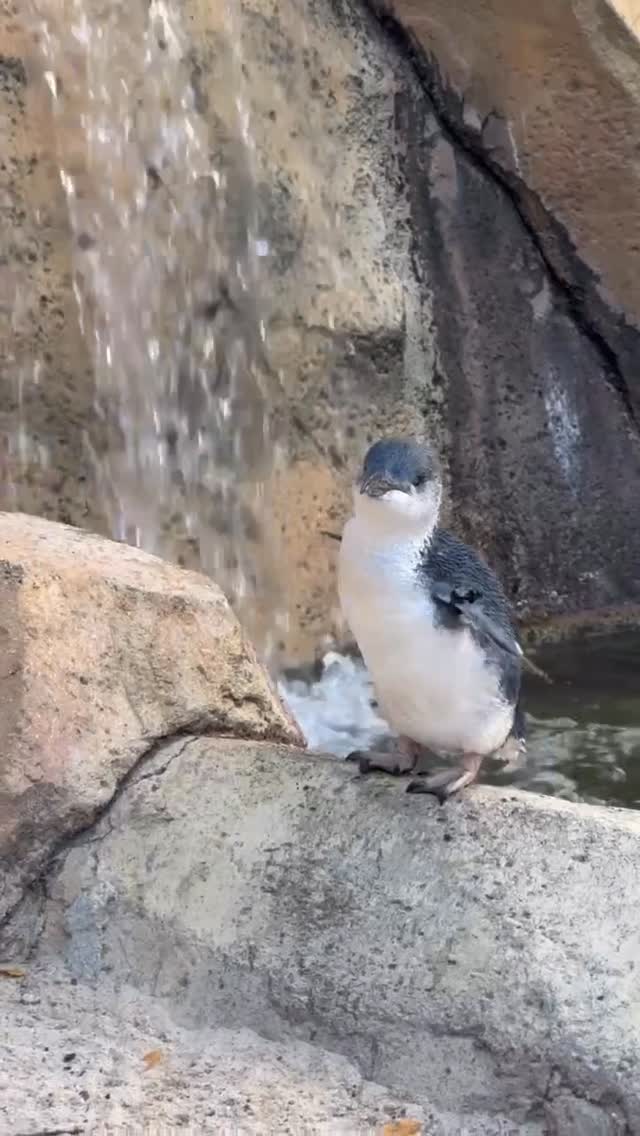
Lazzie, the oldest little blue penguin at 25 years, is a remarkable example of the impact of dedicated care and wildlife conservation practices. Her long life far exceeds that of her wild counterparts, with little blue penguins typically living less than ten years in nature. In managed care, that average extends to about 20 years. Lazzie’s positive health is a testament to the exemplary efforts by Team Bird at the Cincinnati Zoo, demonstrating what effective conservation programs can accomplish.
Lazzie’s life carries significant weight beyond her age. Little blue penguins, endemic to Australia and New Zealand, play a vital role in their ecosystem. They help regulate marine populations by consuming fish and crustaceans. As one of the oldest living individuals, Lazzie stands as a symbol of success in conservation efforts aimed at preserving species threatened by habitat loss, climate change, and introduced predators.
The care provided to Lazzie and her companions includes a careful diet, enriched environments, and regular health assessments. Penguins in zoos often receive tailored nutritional plans comprised of fish, supplemented with vitamins and minerals, to meet their dietary needs. Team Bird implements behavioral enrichment strategies to replicate natural challenges such as diving for food and navigating obstacles. They also monitor the penguins for health changes, which is crucial for older animals like Lazzie. Keeping rigorous standards in animal care fosters not only the health of the penguins but their psychological well-being as well.
In the wild, little blue penguins face a myriad of challenges, including predation from pets, habitat degradation, and competition for food. Lazzie’s impressive lifespan is largely a result of her living in an environment designed to minimize these threats. This care is paramount for species conservation, as zoos like the Cincinnati Zoo actively contribute to breeding programs and public education on the importance of protecting wildlife.
Lazzie is particularly special as she was the first little blue penguin hatched at the Cincinnati Zoo. Her name, derived from gift sponsor Lazarus, further emphasizes the link between private support and conservation efforts. This connection highlights the collaborative nature of wildlife preservation. These early successes in breeding and keeping the species thriving in managed care have paved the way for more extensive conservation programs, not only in zoos but also in the field.
The implications of Lazzie’s long life extend beyond the individual. As a member of species that often struggles to survive, she exemplifies the importance of zoos in conservation dialogues, showing how managed care can lead to prolonged life and successful breeding efforts. Her story also serves as an important lesson about the dire consequences of climate change and habitat destruction, where the future of many species hangs in balance.
Public awareness generated by Lazzie and her fellows helps foster a sense of responsibility among zoological institutions and society at large. When people visit the Cincinnati Zoo, they learn about the unique challenges little blue penguins face and how they can support conservation efforts. Engaging the public with educational programs, social media initiatives, and outreach can inspire future generations to care about wildlife preservation.
Lazzie’s birthday celebration is not just a milestone for her but for conservation efforts globally. Special events at zoos often attract media attention, drawing visitors to learn about the species in greater depth. Such public engagements create a foundation for increased donations to support habitat preservation initiatives and community awareness programs.
In summary, Lazzie’s 25-year journey illustrates the effectiveness of managed wildlife care, emphasizing its pivotal role in conservation. Her life story reinforces the critical relationship between zoos and environmental stewardship, providing vital insights into the dynamics of species preservation. Furthermore, her existence serves as a call to action, mobilizing individuals towards caring about not just penguins but all species facing extinction.
The lessons from Lazzie’s life echo through various facets of conservation. Her story reinforces why we need to support wildlife care initiatives, ecology education, and habitat conservation. Through awareness and action, we can collectively contribute to protecting species that are at risk and ensuring future generations experience the joy of wildlife like little blue penguins.
Visitors to the Cincinnati Zoo and similar institutions play an active role in these conservation stories. Understanding the importance of species like Lazzie enhances the connection people feel to wildlife. Zoos provide a safe space for education and contemplation of the challenges faced by various animals today. As we learn about where Lazzie came from and the care provided to her, we also become champions for her continued legacy.
In sum, Lazzie epitomizes the success of wildlife conservation. The care she receives at the Cincinnati Zoo, combined with public engagement, brings attention to important conservation issues. Each birthday celebrated serves as a reminder of the ongoing efforts to support species survival. As Lazzie continues to thrive, she inspires both current and future conservationists to advocate for wildlife everywhere.
*****
Source Description
Lazzie just celebrated her 25th birthday! 🎉 🐧 She is the oldest little blue penguin in the world and is still keeping up with the other penguins, ranging from 0 to 20 years old! In the wild, life expectancy is less than ten years. It’s less than 20 in managed care. The excellent care that she receives from Team Bird has certainly extended her life!
Fun fact: She was the first little blue penguin to hatch at the Cincinnati Zoo and is named Lazzie because Lazarus was the little blue penguin habitat sponsor at that time.
