
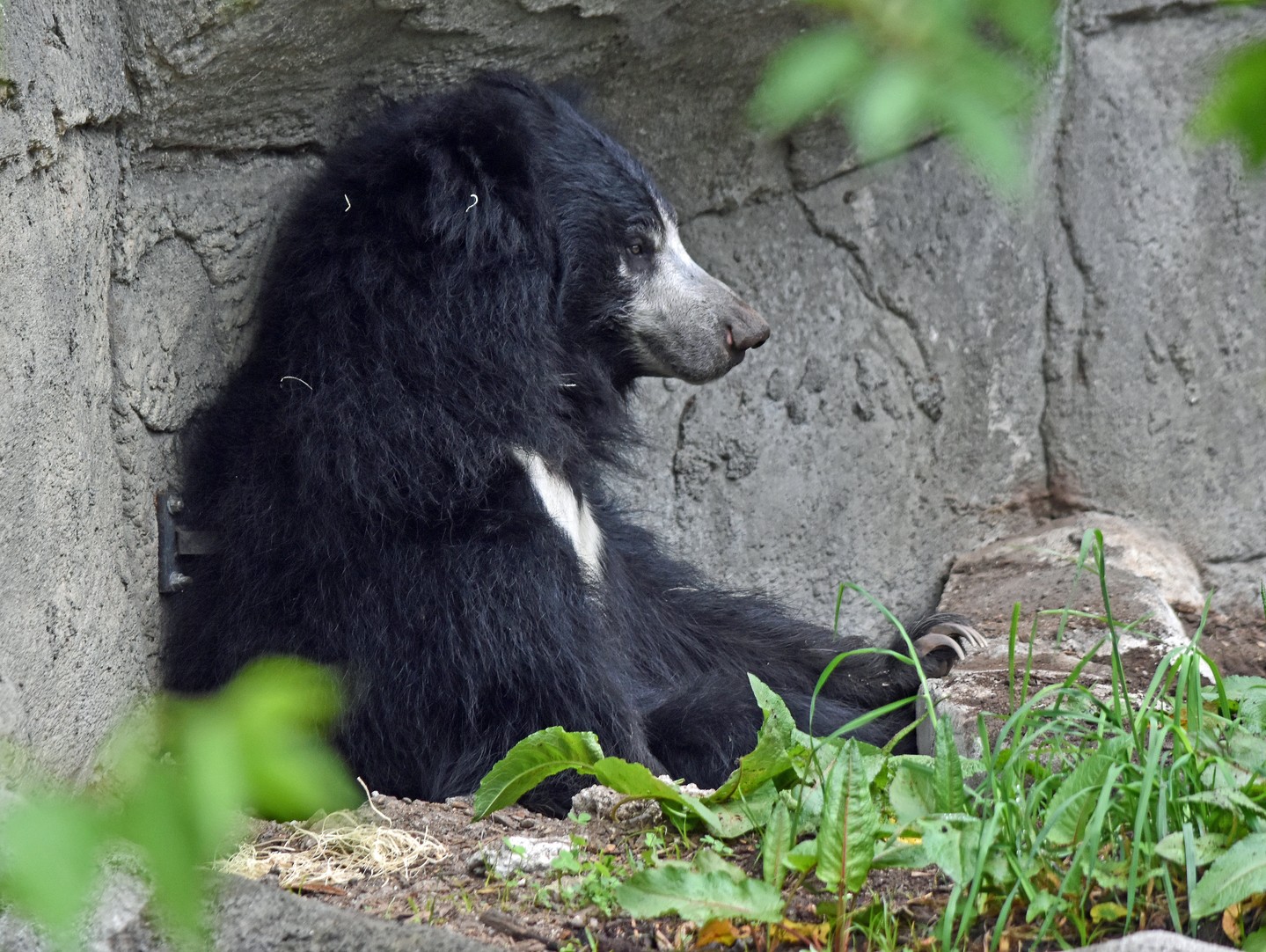
- Anatomy and Adaptations of Jagger, the Sloth Bear
- Feeding Habits and Dietary Specifics
- Conservation Efforts and Zoo Management Practices
- The Role of Zoos in Education and Wildlife Preservation
- Engaging the Public in Conservation Awareness
Jagger, the sloth bear at the Detroit Zoo, presents a fascinating study in the anatomy and behavior of this unique species. Her long, hairless snout and wide nostrils function as specialized tools, essential for survival. Sloth bears’ distinct physiology facilitates efficient foraging, primarily focusing on insects.
Her extended nose, devoid of hair, offers no hindrance to sniffing out prey. This adaptation is vital as sloth bears rely predominantly on their sense of smell. Their ability to locate even well-hidden insects in soil is unparalleled. This remarkable snout is complemented by the ability to close her nostrils to fend off unwelcome inhabitants while feeding. This technique showcases an evolutionary advancement that suits their ecological niche.
A particularly interesting feature lies in her missing front teeth. Unlike other bears, sloth bears have evolved to forgo certain dental formations to create a more effective insect-sucking apparatus. Their diet heavily comprises ants and termites, and this dental adaptation maximizes efficiency. Jagger can extract insects from narrow crevices, a skill critical to her diet.
Sloth bears, including Jagger, are primarily insectivorous. Their meals mainly consist of ants and termites, which they can consume in large quantities. This diet is supplemented with fruits and flowers, contributing to their nutritional needs. However, the emphasis remains on insects, which are abundant and accessible in their natural habitats.
At the Detroit Zoo, this diet is carefully emulated to maintain Jagger’s health. Zoo management ensures she receives the dietary balance necessary to mirror her wild counterparts. The zoo’s nutritional strategy prioritizes a diverse array of food items to sustain her dietary choices, ensuring her health and vitality.
The Detroit Zoo is not just a habitat for Jagger—it plays a crucial role in sloth bear conservation. With their status listed as vulnerable due to habitat loss and human encroachment, maintaining healthy populations in zoos is vital. Conservation efforts extend beyond mere survival; they include breeding programs and habitat preservation initiatives, collaborating with global conservation entities.
Zoo management at Detroit Zoo actively engages in these conservation activities, promoting genetic diversity and advocating for sloth bear habitats. Education and outreach programs help raise awareness about the species, leveraging Jagger’s presence to connect visitors with broader conservation messages.
Zoos function as critical educators in wildlife conservation. By inviting the public to witness animals like Jagger, the Detroit Zoo fosters a deeper understanding of natural habitats and the species that dwell within them. This educational aspect is vital, as awareness and understanding are the first steps toward conserving wildlife.
Additionally, interactions facilitated by zoos can inspire future conservation efforts. Visitors learning about Jagger and her species engage more deeply with the cause and may support conservation initiatives globally. Educational programs tailored for various age groups ensure that the zoo’s mission of awareness persists across generations.
Public involvement is crucial for successful conservation. The Detroit Zoo’s efforts in highlighting Jagger’s characteristics and the challenges sloth bears face play an essential role. Through targeted outreach, zoos can stir public interest and empathy, critical components in driving conservation actions.
Jagger’s story at the zoo offers a window into the intricate interplay of biology, conservation, and education. Her existence not only enlightens visitors but also embodies the dedicated efforts of zoos in preserving sloth bears. Through education, habitat management, and targeted conservation strategies, the Detroit Zoo supports a future where Jagger and her kind can thrive.
*****
Source Description
Detroit Zoo Presents: Jagger the sloth bear’s snout.
Her long, hairless nose and wide nostrils are great for sniffing out insects. After finding the goods, sloth bears can seal up their nostrils to prevent their future food from crawling in. 🐜 They also lack their two-front teeth, allowing them to suck up small insects easily.
📷 Roy Lewis.
