
- Overview of the Eastern Indigo Snake’s Characteristics
- Habitat and Distribution of the Eastern Indigo Snake
- Conservation Status and Threats to Survival
- Breeding Programs and Conservation Efforts
- The Importance of Education and Awareness
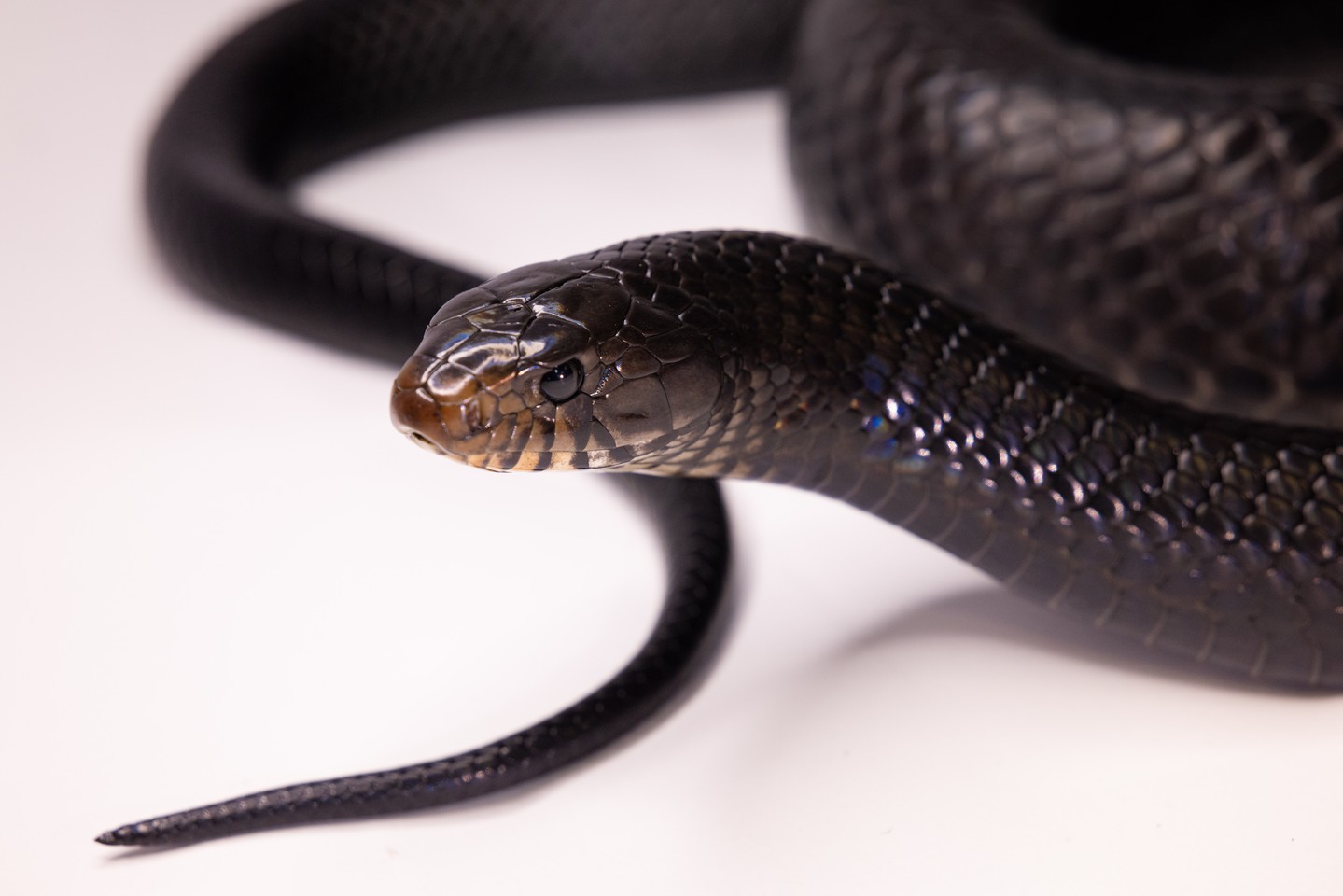
The Eastern Indigo Snake is a strikingly beautiful animal, often hailed as the largest non-venomous snake in North America. They can grow up to 9 feet long, making them a formidable presence in their native habitats. Despite their impressive size, their coloration often leads to some confusion. While they may appear black at first glance, they possess a reflective quality that reveals shades of blue and purple in sunlight. This unique trait has endeared them to wildlife enthusiasts. Parts of their body, including the chin and throat, showcase reddish hues, adding to their aesthetic appeal.
Eastern Indigo Snakes primarily inhabit longleaf pine forests, which are now critically endangered due to habitat loss. These habitats are essential for their survival; they thrive in environments where they can bask in the sun and hunt near water sources. Historically, their range included much of the southeastern United States, but today, they are primarily found in Florida and Georgia. The fragmentation of their habitats through agricultural and logging practices poses a significant threat to their population.
As an apex predator, the Eastern Indigo Snake plays a key role in maintaining the ecological balance of its environment. They feed on a variety of prey, including rodents, birds, and other reptiles, effectively regulating these populations. Their presence is indicative of a healthy ecosystem, making their decline a concerning signal for environmental health.
The Eastern Indigo Snake is classified as a Threatened species. Habitat loss is the most significant factor contributing to their decline. Urban development, agricultural expansion, and logging activities have fragmented their living spaces, making it increasingly difficult for them to find adequate shelter and food. This has resulted in isolated populations, which are more vulnerable to genetic problems and local extinctions.
Fortunately, there are conservation efforts aimed at reversing these trends. As part of the Association of Zoos and Aquariums (AZA) Species Survival Plan (SSP), zoos participate in breeding programs designed to bolster Eastern Indigo Snake populations. These programs not only aim to breed individuals in controlled settings but also focus on reintroducing them into suitable habitats. Such initiatives are crucial for the long-term survival of this species.
Public education is also a vital component of conservation efforts. Raising awareness about the importance of Eastern Indigo Snakes and their role in ecosystems helps garner support for habitat preservation. Educational programs at zoos and wildlife centers provide opportunities for people to learn about the challenges these snakes face. Increased understanding often leads to community involvement in conservation initiatives.
In addition, collaborative efforts with government agencies, landowners, and conservation organizations amplify these initiatives. Partnering with local communities helps secure lands that are essential for the Eastern Indigo Snake’s survival. Conserved areas allow these snakes to thrive, ultimately contributing to broader biodiversity preservation.
The Eastern Indigo Snake serves as an ambassador for conservation. Their striking beauty and ecological significance draw attention to the urgent need for habitat conservation. By highlighting their plight, conservationists can effectively communicate the importance of preserving not just this species, but the ecosystems they inhabit.
Habitat preservation is a fundamental aspect of conservation. Active measures, such as controlled burns, are used in longleaf pine forests to maintain the ecosystem’s health. These practices not only create suitable conditions for Eastern Indigo Snakes but also support a variety of other species that share their habitat. Regular environmental assessments can help track the health of these ecosystems and inform further conservation efforts.
The role of citizen scientists cannot be understated in conservation. Individuals who engage in monitoring populations and reporting sightings contribute valuable data. This grassroots involvement helps inform research and conservation strategies. Engaging the public encourages a sense of ownership over local wildlife and ecosystems, fostering a culture of stewardship.
For those interested in seeing Eastern Indigo Snakes like Jasper, many zoos, including ours, feature them in exhibits that mimic their natural habitat. These environments educate visitors about the snakes’ behaviors and preferences, further promoting awareness. Observing native wildlife helps foster appreciation and respect for these incredible creatures.
The Eastern Indigo Snake is more than just a captivating animal; it embodies the challenges of habitat loss and the efforts to conserve wildlife. With increasing awareness and dedicated conservation efforts, it is possible to protect not only the Eastern Indigo Snake but also the ecosystems that sustain a diverse array of species. Understanding their ecological importance is a step toward fostering a future where these remarkable snakes can thrive once more. Each visit to a zoo or wildlife reserve can empower individuals to be advocates for Eastern Indigo Snakes and the broader conservation mission.
As part of our mission, we are committed to safeguarding the Eastern Indigo Snake and educating the public on their significance. By participating in breeding programs and sharing our knowledge, we hope to inspire conservation efforts that resonate throughout our communities. Together, we can take measured steps to support the habitats that sustain these beautiful creatures.
Engagement in conservation doesn’t have to be a massive undertaking. Simple steps, such as supporting local conservation organizations or participating in habitat restoration events, can make a difference. Small actions, when multiplied across communities, can restore vital habitats and ensure the survival of the Eastern Indigo Snake and many other species.
Moreover, schools and educational institutions serve as platforms for disseminating information. Curriculum that includes local wildlife can transform students into informed advocates for conservation. Engaging younger generations ensures that the importance of preserving species like the Eastern Indigo Snake is passed on, fostering lifelong environmental stewardship.
In closing, the Eastern Indigo Snake, with its extraordinary beauty and critical ecological role, serves as a reminder of the importance of conservation. Educational efforts and community involvement are essential for ensuring that this majestic species does not vanish from our landscapes. With concerted efforts across all sectors, we can protect not only Jasper and others like him but the rich biodiversity that is integral to our natural world.
*****
Source Description
What a beaut!😍 Meet Jasper, the Eastern Indigo Snake, for this week’s Snake Sunday.
What do you know about Indigo snakes?
Largest non-venomous snake in North America? ✅
Can grow up to 9 feet long? ✅
Apex predator? ✅
Most beautiful snake native to North America? 👀
But he looks like a black snake, he’s not indigo? 🤔 Indigo snakes get their name from their dark black coloration that reflects iridescent shades of blue and purple in the sunlight. 💙🌞💜 They often have a reddish color on their chin, throat and cheeks, as you can see here on Jasper.
Eastern Indigo snakes are a Threatened species due to habitat loss. The preferred habitat of Indigo snakes is the longleaf pine forest – and it is being heavily fragmented by agricultural and logging practices. 🌲 They live near water and are primarily found in Florida and Georgia, only a small portion of their once large, historical range.
We are proud to have a successful breeding program at the Zoo, as a part of AZA’s SAFE Program to save Eastern Indigo snakes. You can see them on habitat at the Cypress Swamp at the Zoo. 🖤
