
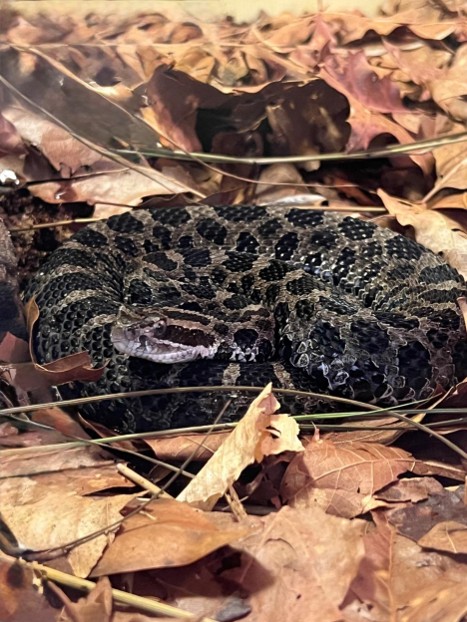
Summary of Meet one of my favorite snake species:
Evan from the Herpetology Team at Zoo Atlanta discusses the eastern massasauga rattlesnake (Sistrurus catenatus), a small rattlesnake found primarily in the northern Midwest and parts of Canada. These snakes, averaging 18.5 to 30 inches long, have a distinctive blotch pattern and a light rattle sound. They primarily prey on rodents and give live birth. Active from April to October, they hibernate during winter in crawfish burrows.
Historically common, their populations have declined due to habitat loss and hunting, leading to their classification as a threatened species under the Endangered Species Act in 2016. Zoo Atlanta participates in the AZA’s SAFE program for their breeding and conservation. They also conduct annual population surveys in Michigan to gather data for habitat and population management.
- Overview of the eastern massasauga rattlesnake’s habitat and distribution
- Physical characteristics and behavioral traits
- Dietary habits and reproductive behavior
- Conservation status and threats faced by the species
- Role of zoos and conservation efforts in preserving the species
The eastern massasauga rattlesnake, scientifically known as Sistrurus catenatus, is an intriguing species primarily found east of the Mississippi River. Its range includes states such as Illinois, Ohio, Michigan, Indiana, Iowa, Wisconsin, Pennsylvania, New York, and parts of Ontario in Canada. As a representative of the native Midwest fauna, the eastern massasauga holds special significance for those who study herpetology in this region. Its habitat is defined by wetlands, which include bogs, fens, marshes, wet meadows, and floodplain forests. Over the years, these habitats have diminished significantly due to human-driven changes, posing substantial threats to the species’ survival.
The eastern massasauga is relatively small compared to other rattlesnakes, with a typical length of 18.5 to 30 inches. Its striking appearance includes a pattern of grey, brown, and black blotches that provide excellent camouflage in its natural environment. Distinctive features such as a triangular head, cat-like pupils, and a smaller rattle differentiate it from larger rattlesnake species. Interestingly, these snakes do not always rely on their rattle for defense; instead, they often remain hidden, blending seamlessly into their surroundings. If disturbed, they may rattle but produce a softer buzzing sound compared to larger species.
In terms of diet, the eastern massasauga primarily preys on small mammals like voles, mice, and shrews, as well as sometimes other snakes, birds, and frogs. Like many members of the viper family, they give birth to live young instead of laying eggs, which is an adaptation to their aquatic and semi-aquatic environments. Following a gestation period, females typically give birth in late summer, contributing to the next generation’s survival.
Due to its northern habitat, the eastern massasauga has a specific seasonal activity pattern. These snakes are usually active from April to October, taking advantage of warmer temperatures to hunt and reproduce. During the winter months, they hibernate in burrows, often in crawfish dens situated below the frost line, where they remain until spring. Remarkably, they tend to return to the same hibernation sites year after year, demonstrating a strong fidelity to their chosen environments.
However, the population of eastern massasaugas has declined drastically over time. Historical data indicate that prairie ecosystems that once supported this species have been reduced to a mere 1-4% of their original extent. The primary drivers of this decline include habitat destruction from agriculture, urban development, and targeted hunting. In 2016, these conditions prompted federal recognition of the eastern massasauga as a threatened species under the Endangered Species Act. It is now crucial to monitor and understand their populations to promote recovery.
On a more localized level, numerous states and organizations have initiated long-term studies to track the status of eastern massasaugas across their historical ranges. The ongoing research not only focuses on population counts but also involves habitat conservation efforts to restore the ecosystems that these snakes depend on. Between monitoring programs and habitat restoration efforts, these initiatives establish a supportive framework for the species’ resurgence.
Zoo Atlanta participates actively in these efforts through the Association of Zoos and Aquariums (AZA) SAFE program, which stands for Saving Animals from Extinction. Within this framework, the zoo houses a pair of eastern massasaugas and aims to nurture their breeding for population stability. Breeding programs in controlled environments help maintain genetic diversity and provide vital data regarding the species’ reproductive behaviors.
Annually, the team at Zoo Atlanta collaborates with other AZA facilities to conduct surveys in Michigan, where eastern massasaugas still inhabit their natural habitats. These surveys involve collecting data on various parameters, from population density to general health. Information gained aids our understanding of their ecology and assists in formulating effective conservation strategies.
Furthermore, educational outreach has become an essential component of conservation efforts. Both the public and educational institutions benefit from programs aimed at increasing awareness about the critical status of the eastern massasauga. By highlighting their ecological importance as a top predator in wetlands and their role in tracing the health of these environments, larger conservation goals can be achieved.
When it comes to practical conservation, strategies should involve not just protecting existing habitats but also restoring degraded areas back to functional ecosystems that can support eastern massasaugas. Collaboration between private landowners, governmental agencies, and conservation organizations is essential for effective habitat management and restoration. Creating buffer zones around wetland habitats can also alleviate some of the pressures imposed by urban development.
In summary, the eastern massasauga rattlesnake, with its distinctive traits and ecological importance, is a symbol of the challenges facing many native species in North America. Its story is not just one of decline but also of hope, as concerted efforts in conservation science and community involvement aim to create a future where eastern massasaugas can thrive once more. Contributions from zoos like Zoo Atlanta and various research initiatives illustrate that proactive measures can lead to positive outcomes for species teetering on the brink of extinction. Engaging with this narrative fosters a deeper appreciation and urgency for integrating wildlife conservation into our daily lives and policies.
