
Summary of Behind the Scenes of Species Survival: Conservation by Collaboration:
At Potter Park Zoo, visitors may see Blanding’s turtles and Patagonian maras, but behind the scenes, a critical team works to ensure these species thrive in human care. Sarah Foote, the Animal Program Manager, serves as the Species Survival Plan (SSP) Coordinator for both species, blending science and strategy to manage their populations.
SSPs are cooperative programs that focus on maintaining healthy, genetically diverse captive populations, helping zoos to sustain species without relying on wild populations. Sarah oversees breeding recommendations, animal transfers, and institutional support for these species, collaborating with other zoos to gather data and plan for long-term sustainability.
While Blanding’s turtles are primarily housed in the Midwest and Ontario, Patagonian cavies present unique challenges due to their social dynamics and habitat needs. Modern zoo practices emphasize animal welfare, which often reduces available space for species.
SSPs prioritize sustainable populations, not just endangered species. The work involves long-term planning, aiming for stability rather than responding to crises. Sarah finds satisfaction in the successful outcomes of her efforts, whether through new exhibits or successful animal births, contributing to ongoing conservation efforts. Through such roles, the zoo ensures future generations can connect with these species, fostering care and protection for wildlife both in zoos and in the wild.
- The role of Species Survival Plans (SSPs) in wildlife conservation
- Responsibilities and impacts of an SSP Coordinator
- Challenges faced in managing specific species like Blanding’s turtles and Patagonian cavies
- Collaborative efforts among accredited zoos for population management
- The significance of conservation in modern zoo practices
Understanding the role of Species Survival Plans (SSPs) is crucial in today’s efforts for wildlife conservation. These plans are structured cooperative programs designed to manage and sustain populations of species in human care. Under the guidance of the Association of Zoos and Aquariums (AZA), SSPs aim to maintain healthy and genetically diverse populations, providing a safety net for species that may be struggling in their natural habitats. While the immediate focus is often on endangered species, the broader goal of SSPs is to establish sustainable demographics for future generations. This approach involves proactive planning that examines genetic diversity, population health, and the long-term viability of species.
An SSP Coordinator plays a pivotal part in this overarching framework. The responsibilities of a coordinator include monitoring the population dynamics of species, conducting genetic assessments, and developing breeding and transfer plans. For instance, Sarah Foote at Potter Park Zoo is the SSP Coordinator for the Blanding’s turtle and the Patagonian cavy. Her work entails the synthesis of knowledge and data from various zoos housing these species. This includes gathering information from institutions that house the species to assess who is interested in breeding, who may need to reduce their population, and any renovations that might affect housing.
A crucial aspect of an SSP Coordinator’s role involves creating a detailed studbook, which tracks every individual animal in the program. This resource is essential for fostering communication among zoos and ensuring that each institution is informed about genetic lineages and the overall population health. The studbook not only informs breeding decisions but also assists in animal transfers between institutions to promote genetic diversity. Coordinators must collaborate with a range of zoo professionals, including veterinarians and animal care staff, to execute transfer plans effectively.
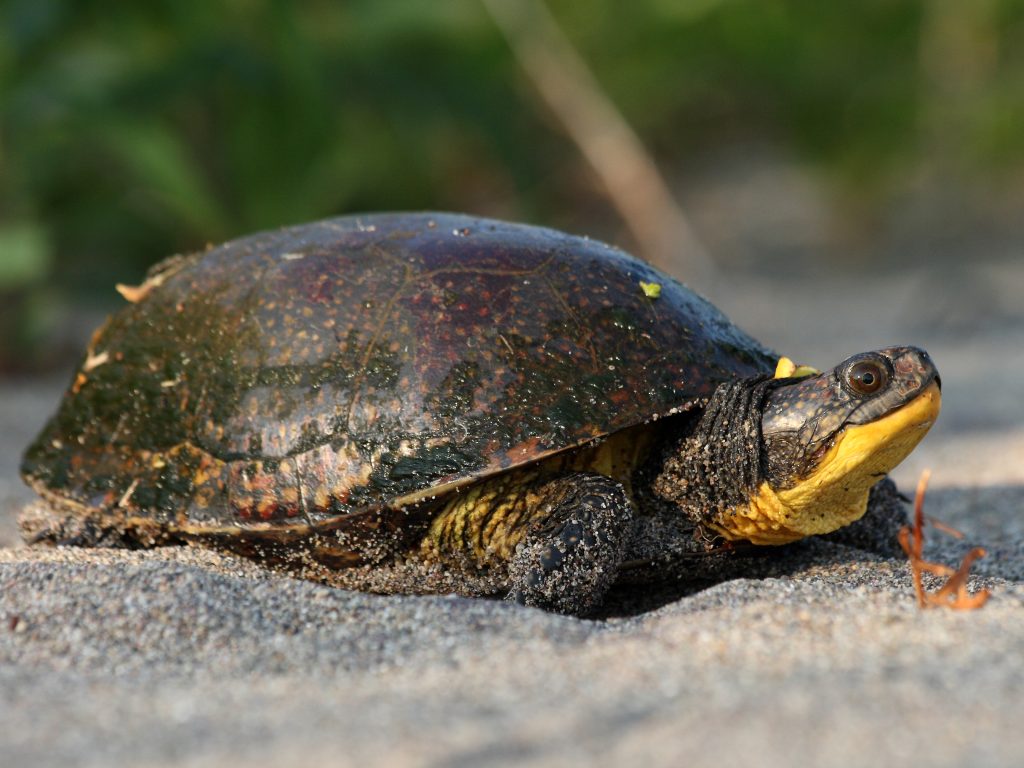
Blanding’s turtles and Patagonian cavies are two species that Sarah oversees, each presenting distinct management complexities. Blanding’s turtles, often found in the Midwest and New England, have a limited geographic presence in modern zoos. This limits the number of institutions that can house and breed these turtles, complicating the conservation efforts. Moreover, since very few animals are captured from the wild, the pressure is on existing populations to thrive under human care. Institutions that house these turtles must work collaboratively to ensure proper breeding strategies are in place.
The Patagonian cavy adds another layer of challenge. As the second-largest rodent globally, they require specific social structures for healthy group dynamics. Cavies are known to be sensitive and may not flourish in single-sex groups. This necessitates well-considered planning regarding how many individuals can be housed together. The evolving standards regarding animal welfare also mean that many facilities have prioritized larger habitats. This development reduces the number of total animal spaces available for various species, making sustainability efforts even more critical.
Collaboration among accredited zoos is fundamental for the success of SSPs. Each institution is part of a network that collectively manages animal populations. Regular meetings help to facilitate communication between zoos, allowing for sharing of best practices, experiences, and scientific data. For example, if a particular zoo is successfully breeding Blanding’s turtles, that knowledge may influence practices at other facilities. Such collaborative efforts are vital for maintaining genetic diversity and combating the risk of inbreeding, which can jeopardize the health of the population.
The surprising aspect of SSPs that many may not realize is that they are not exclusively focused on endangered species. While it’s certainly crucial to protect threatened populations, the overarching mission is about building stable and self-sustaining populations in human care. This proactive stance towards conservation highlights the importance of planning for the long term, rather than merely reacting to crises as they arise.
Sarah Foote finds great fulfillment in orchestrating successful outcomes from her efforts. The rewarding moments, whether they involve a well-coordinated transfer or seeing successful births, underscore the importance of her role. The investment of time and resources in planning and collaboration often leads to tangible success in conservation. When institutions work together, the resulting stronger populations are vital for the future of species like Blanding’s turtles and Patagonian cavies.
At Potter Park Zoo, this commitment to conservation is evident across daily operations. Programs focused on education and engagement help connect visitors with the species that they are supporting. Through these interactions, the public gains insight into the challenges faced by wildlife and the efforts required to safeguard their futures. Educating visitors about the importance of stewardship fosters a culture of conservation that extends well beyond the individual zoo.
In sum, the work surrounding Species Survival Plans is fundamentally about collaboration and strategic planning. It combines scientific knowledge, population management, and individual zoo contributions to create a robust framework for conservation. Whether this takes the form of careful breeding strategies, habitat enhancements, or engaging education programs, the mission remains clear: to protect and sustain wildlife for future generations. In doing so, zoos like Potter Park Zoo play an essential role in the ongoing battle for survival in an increasingly complex world.
